Furnace Noise When Heating: Normal or a Problem?
Quick Answer
Most furnace noises that happen only during heating are from normal heat exchanger expansion and burner heat-up, often heard as light ticking or a single ping as the metal warms. First action: note exactly when the noise occurs (ignition, burners active, blower start, shutdown) and check for loose panels that amplify the sound. If you hear booming, banging, a delayed ignition whoosh, or smell gas, turn the furnace off and call a technician.
Identify the Noise First
If the noise happens at ignition, focus on burner light-off: a short click then smooth flame is normal; a hard bang or puff is not. If the noise starts only after burners have been running a minute or two, it usually matches heat exchanger expansion as metal temperature rises. If the noise begins exactly when the blower starts, it may be airflow or duct movement rather than the heat exchanger itself.
If the noise occurs during the heating cycle at a steady rhythm, listen for ticking that speeds up as the furnace heats and slows as it stabilizes. If the noise happens at shutdown, light ticking or pinging during cool-down can be normal heat exchanger contraction; a loud pop can indicate binding metal or duct “oil-canning.”
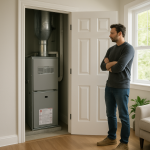
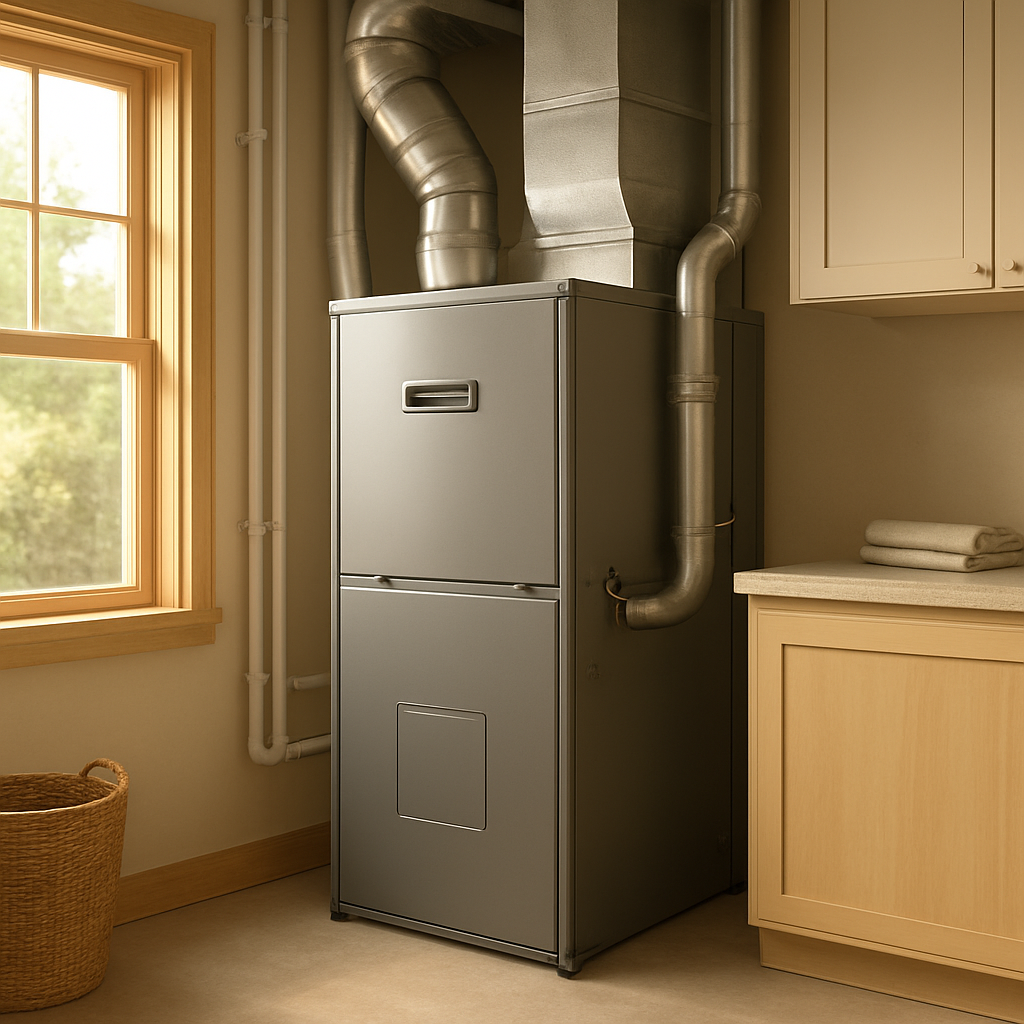
To isolate indoor vs outdoor: most heating noises discussed here are inside at the furnace cabinet and nearby ducts. Stand by the furnace room door first, then near a supply register; if it is louder at the register than at the furnace, the ductwork is likely amplifying expansion sounds.
What This Noise Usually Means
During a heat call, the burners rapidly heat the heat exchanger. As its metal surfaces warm, they expand and can shift slightly against supports, cradles, or adjacent sheet metal. That movement creates ticking, pinging, or occasional pops. When the burners shut off, the exchanger cools and contracts, which can create similar sounds in reverse. Burner operation matters because flame quality and ignition timing determine how quickly and evenly the exchanger heats; uneven heating can make expansion noises sharper and more noticeable.
Most Common Causes
- Normal heat exchanger expansion and contraction
Clue: light ticking/pinging begins after burners light and fades as the unit reaches a steady temperature; may repeat briefly during cool-down.
- Cabinet or burner compartment panel resonance amplifying normal expansion sounds
Clue: noise changes or stops when you gently press on a panel or door while the furnace is running.
- Supply plenum or nearby ductwork oil-canning from heat
Clue: a single pop or dull thump happens shortly after burners fire or right after shutdown; louder near the first few feet of duct above the furnace.
- Heat exchanger supports or retention brackets shifting as metal heats
Clue: repetitive ticking concentrated at the furnace cabinet, more noticeable on older units, and increases with higher temperature rise.
- Burner ignition delay causing a small boom at light-off
Clue: noticeable pause after the igniter glows/clicks, followed by a whoosh or bang; often worse on the first heat call of the day.
- Flame rollout or unstable flame pattern heating the exchanger unevenly
Clue: rumbling that changes tone, wavering burner sound, or the noise is accompanied by unusual odor; may be intermittent with gusty venting conditions.
- Dirty burners or crossover ports affecting smooth light-off
Clue: burners light unevenly left-to-right, with small pops as flame carries from one burner to the next.
- Warped burner box or internal sheet metal expanding against fasteners
Clue: sharper ticks localized low in the furnace near the burners; changes with cabinet temperature rather than blower operation.
How to Check Safely
- Match the noise to the heating stage
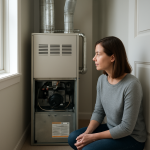
From a safe distance, listen for whether it happens at ignition, with burners steadily on, at blower start, or at shutdown.
- Repeatability test
Lower the thermostat to stop a heat call, wait a few minutes, then raise it to restart. If the noise repeats at the same point in the cycle, it helps pinpoint expansion vs ignition behavior.
- Panel fit check
With the furnace off, confirm the front doors and nearby sheet metal panels are seated and screws are snug. A loose door can amplify normal ticking into a loud rattle.
- Listen at three locations
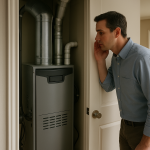
Stand near the furnace cabinet, then the supply plenum/first duct section, then a nearby register. Louder at the duct/register suggests duct oil-canning rather than an exchanger issue.
- Filter and airflow check
Replace a dirty filter and ensure registers are open. Restricted airflow can raise exchanger temperature and make expansion noises more pronounced.
- Temperature setting check
If your thermostat has fan or staging options, avoid forcing rapid temperature swings. More aggressive temperature rise can increase ticking and popping.
- Observe ignition behavior through the sight glass if present
Look for a smooth, prompt light-off across burners. If you see delayed ignition or uneven carryover, stop troubleshooting and call a technician.
- Stop and call if you notice gas odor or soot
Do not continue cycling the furnace if you smell gas, see scorch marks, or suspect flame rollout.
Normal vs A Problem
Usually normal includes light ticking, pinging, or one or two soft pops that occur shortly after burners start and again as the furnace cools, especially on new installs or when outdoor temperatures drop suddenly. Mild sounds that stay consistent over months and do not affect comfort are typically expansion-related.
More likely a problem if the sound is a boom or bang on ignition, gets louder week to week, starts happening multiple times per cycle, or is paired with performance issues like short cycling, weak heat, new odors, or a noticeable change in burner sound. Any burning smell, visible soot, or repeated flame disturbances warrants a technician visit. If breakers trip or you hear arcing-type snapping near controls, stop and call; that is not heat exchanger expansion.
When to Call a Technician
- Any delayed ignition boom
One hard bang at light-off is enough to schedule service; repeated booms can damage components and indicates burner/ignition issues.
- Noise changes quickly over a few days
Rapidly increasing popping or ticking can indicate shifting supports, overheating from airflow restriction, or burner operation changes.
- Rumbling or unstable burner sound
A changing or pulsing burner tone suggests flame or combustion issues that should not be homeowner-adjusted.
- Gas odor, soot, or scorch marks
Turn the furnace off and arrange service; these are not normal expansion symptoms.
- Comfort and cycle issues
If the furnace short cycles, struggles to maintain temperature, or the blower seems to start unusually late while noises increase, have it checked for proper burner operation and temperature rise.
How to Prevent This Problem
- Change filters on schedule
Proper airflow helps keep heat exchanger temperatures in the intended range, reducing harsh expansion noises.
- Keep supply registers open
Closed registers can increase temperature rise and make ticking/popping more noticeable.
- Maintain tight cabinet panels
Ensure access doors and surrounding sheet metal are seated correctly to avoid amplifying normal expansion.
- Annual burner inspection and cleaning
Clean burners and proper carryover reduce delayed ignition and uneven heating that can make expansion sounds sharper.
- Address duct pops near the furnace
Have a technician add reinforcement or adjust transitions if the plenum is oil-canning; this reduces loud pops without changing furnace operation.
- Avoid aggressive thermostat setbacks
Large, fast recoveries can increase heat-up rate and make expansion noises more noticeable.
Related HVAC Noise Problems
- Clicking at the start of heat then no flame
Often ignition or safety lockout, not heat exchanger expansion.
- Rattling only when the blower starts during heat
Often a loose panel or duct vibration, not burner/exchanger heat-up.
- Whistling during heat
Usually airflow restriction at filter, return, or registers.
- Drone or hum that changes when you touch the cabinet
Cabinet resonance amplifying normal operation.
- Single loud pop in the ductwork, furnace sounds normal
Duct oil-canning from heat expansion.
- Repeated small pops as burners light across
Carryover/crossover ignition irregularities.
- Rumbling that continues while burners run
Combustion/venting related, not normal expansion ticking.
- Ticking that happens even with no heat call
Not typical for heat exchanger expansion; may be duct settling or another household source.
- Metallic scraping sound during the whole heat cycle
May indicate internal contact or blower-related issues rather than normal exchanger movement.
- Bang at shutdown followed by duct noise
Often rapid cooling contraction combined with duct movement.
Conclusion
Most furnace noises during heating are caused by heat exchanger metal expanding as the burners raise temperature, sometimes amplified by loose panels or nearby ductwork. Pinpoint the timing in the cycle and confirm the cabinet is secure and airflow is normal. If you hear a boom at ignition, notice unstable burner sound, or detect gas odor or soot, shut the furnace off and call a technician.
Frequently Asked Questions
Is ticking from my furnace during heating always normal?
Light ticking that starts after the burners have been on briefly and fades as temperatures stabilize is commonly normal heat exchanger expansion. If it becomes loud, frequent, or starts happening at ignition with a whoosh or bang, it should be inspected.
Why does it pop once when the heat turns on or off?
A single pop is often sheet metal movement as the heat exchanger, plenum, or nearby ducts expand and contract. If the pop is a sharp bang at the moment of ignition, that points more toward delayed ignition than normal expansion.
Can a dirty filter make expansion noises louder?
Yes. Restricted airflow can raise furnace temperature rise, which can make metal expansion more abrupt and noticeable. Replace the filter and confirm registers are open before assuming a burner or heat exchanger problem.
How can I tell if the noise is ductwork or the furnace itself?
If the sound is louder at a nearby supply register or in the first section of duct above the furnace than at the cabinet, the ductwork is likely moving. If the sound is strongest at the furnace cabinet during burner heat-up, it is more likely heat exchanger expansion or burner-area sheet metal movement.
When is a heating noise urgent?
Turn the furnace off and call a technician if you smell gas, see soot/scorching, or hear a boom at ignition. Those are not normal expansion sounds and indicate a burner/combustion issue that needs proper testing.
It’s odd how much attention can shrink the world down to one stubborn corner, and then, just like that, it’s not the center anymore. The rest gets to be the rest—messy, ordinary, and survivable.
What follows isn’t dramatic, and that’s the point. There’s room to breathe again, even if nothing in the background changes at all.