Water Heater Noise Suddenly Started? Immediate Causes To Check
Quick Answer (Most Likely Cause)
A water heater noise that starts suddenly is most often caused by a rapid change in how existing sediment behaves during heating, or a new vibration contact point where the tank, pipes, or vent now touches framing. First action: listen during a heating cycle, then check for pipe-to-wood contact and loose straps at the heater. If you see water leaking, smell gas, or the relief valve is discharging hot water, stop using the heater and call a technician.
Identify the Noise First
Match the sound to when it happens. Timing is the fastest way to separate sediment activity from vibration transfer or an electrical hum.
Only during heating cycle: popping, crackling, rumbling, or a low rolling sound points to sediment behavior changing as the burner or elements heat the tank bottom.
Right after burner or element starts: a sharp increase in noise at ignition or element energizing can be steam bubble release from sediment or vibration of nearby piping as the tank expands.
Right after heating stops: ticking, light tapping, or brief creaks are commonly thermal expansion shifting pipes that may now be touching wood or drywall.
Constant buzz or hum: could be true electrical source noise (relay/contactor, heating element resonance, motor windings in powered vent units) or normal electrical hum being amplified by loose mounting or pipe contact.
Intermittent rattle: often a vent connector, flue, or nearby pipe vibrating when the burner runs.
New vs long-standing: a suddenly louder sound usually means something changed quickly: sediment got stirred up, someone bumped a pipe during other work, a strap loosened, or a valve position changed flow and vibration.
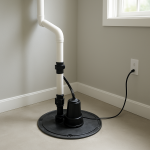
If you are diagnosing a sump pump noise scenario instead: startup clunk is usually a check valve, grinding is obstruction, continuous run indicates high water/blocked discharge, and humming without pumping indicates a jam or failed start component. The same diagnostic order applies, but this article is focused on water heater sudden noise.
What This Noise Usually Means
When a water heater suddenly gets noisy, the most common field explanation is not a new part failing overnight. It is usually a change in how heat and vibration are being transmitted.
Rapid change in sediment behavior: a layer of mineral scale at the tank bottom can shift, break up, or become insulated by trapped debris. The burner or lower element then overheats small pockets of water under or within that layer. This creates steam bubbles that release in bursts, heard as popping, crackling, or rumbling.
New vibration contact point: a pipe, vent connector, or tank strap that was not touching framing may now be resting against it. Normal expansion and burner vibration then transfers into the structure, turning mild sound into a loud buzz, rattle, or drumming.
Amplified electrical hum vs true electrical noise: electric heaters naturally have some 60 Hz hum, and gas units with powered venting or controls can hum. If a pipe or panel is now in contact, that normal hum becomes louder. True electrical source noise is usually localized at the access panel or control area and does not change much when you press lightly on nearby piping.
Most Common Causes (Ranked by Probability)
Pipe or vent contact created recently (vibration transfer)
What happens: expansion or burner vibration is transmitted into wood framing, drywall, or metal ducting.
Sound profile: buzzing, rattling, drumming, or a sharp vibration that starts with heating and stops when heating stops.
Clue: you can change or stop the noise by lightly steadying the pipe (without forcing it) or by noticing a pipe touching a joist, wall, or the heater jacket.
Loose pipe straps or heater straps (vibration transfer)
What happens: supported piping or the tank body vibrates more freely and resonates.
Sound profile: rhythmic rattle or metallic chatter during burner operation, sometimes a low hum that carries through the house.
Clue: visible slack in strapping, or noise is louder at a specific hanger point.
Sediment layer suddenly shifting or breaking up (sediment buildup/obstruction)
What happens: scale lifts and re-settles; hot spots form; trapped water flashes to steam and releases.
Sound profile: popcorn popping, crackling, snapping, or intermittent rumble strongest during active heating.
Clue: noise is worst when the tank is recovering from heavy use (after showers/laundry) and may calm down once fully hot.
Bottom overheating from sediment insulating the heat source (sediment buildup)
What happens: burner flame or element heats through an insulating scale blanket, driving localized boiling at the tank bottom.
Sound profile: deeper rumbling, rolling, or a sustained low growl during longer heat calls.
Clue: hot water production may seem reduced or recovery slower; noise intensity increases with long heat cycles.
Load-related strain from unusually high demand or higher thermostat setting (load-related mechanical strain)
What happens: longer run times increase thermal expansion and sediment agitation; components operate longer under heat.
Sound profile: same sounds as sediment or vibration, but more frequent and longer lasting.
Clue: started after guests arrived, seasonal inlet water got colder, or thermostat was adjusted upward.
True electrical source hum at element/relay (electrical component hum)
What happens: a relay/contactor vibrates, or an element resonates when energized. This is separate from pipes amplifying a normal hum.
Sound profile: steady hum/buzz localized at the upper/lower access panel; starts exactly when the element energizes.
Clue: sound is strongest with your ear near the panel, and pressing lightly on nearby piping does not change it much.
Dip tube disturbance or internal flow turbulence after plumbing work (internal flow change leading to vibration)
What happens: changed flow pattern or a partially damaged dip tube can create turbulence that excites vibration in piping during draws.
Sound profile: rushing, fluttering, or rattling mainly when hot water is being used, not only while heating.
Clue: noise correlates with faucet use; started after valve replacement, repipe, or water shutoff work.
What happens: on gas units, a failing inducer motor (powered vent) or loose internal baffle can rattle; on electrics, loose internal connections can cause buzzing (must be evaluated professionally).
Sound profile: persistent mechanical noise not strictly tied to sediment sounds; may continue briefly after heating stops if a motor is involved.
Clue: noise location is at the powered vent motor/control box area, not the tank bottom or piping.
How to Check Safely
These checks do not require disassembly of gas valves, electrical compartments, or tank components.
Confirm the timing: run a hot water fixture for 1–2 minutes to trigger a heating call, then listen at the heater. Note whether noise starts at ignition/element start, mid-cycle, or after shutoff.
Check for new contact points: inspect the first 6–10 feet of hot and cold piping, the vent connector (gas), and any nearby framing. Look for places where pipe/vent is touching wood, sheet metal, drywall, or the heater jacket.
Do a light steadying test: with the heater running, lightly touch a vibrating pipe or vent connector to dampen it. If sound changes significantly, you are dealing with vibration transfer or a loose support. Do not push pipes out of alignment.
Look for loose strapping: check visible pipe hangers and heater straps for slack. Do not attempt to re-strap seismic straps if you are unsure of proper anchoring.
Safe sediment flush observation: if your heater has a drain valve and you can route water safely to a drain, you can do a basic flush: turn the heater to OFF (gas control to pilot/off or electric off at breaker), connect a hose, open a nearby hot faucet to vent, then drain a few gallons until clearer. If the valve will not flow, do not force it.
Listen for sediment sounds at the tank bottom: popping and rumbling that is loudest at the lower third of the tank points to sediment activity.
For electric heaters only: reset button use: if you have no hot water and suspect a trip, you can press the high-limit reset per manufacturer instructions. If it trips again, stop and schedule service. Repeated resets indicate overheating or electrical issues.
Stop and call: if the relief valve is discharging, the tank is leaking, the breaker trips, you smell gas, or you see scorch/heat damage, do not continue troubleshooting.
Normal Operating Sound vs Warning Signs
✔ Normal: light ticking or soft creaks after heating stops due to thermal expansion, especially if the noise is brief and not getting louder.
✔ Normal: mild burner roar on gas units while firing, without rattling or vibration through pipes.
✔ Normal: faint electrical hum on electric units that is not increasing and is not accompanied by overheating symptoms.
Warning: sediment buildup behavior change: persistent popping/crackling during every heat cycle, or a new deep rumble that lasts most of the heating run.
Warning: vibration damaging piping: rattling strong enough to shake shutoff valves, flex connectors, or make banging against framing. This can stress joints and create leaks over time.
Warning: true electrical issue: loud buzz at panels, repeated high-limit resets, or breaker trips. This is not a pipe vibration problem.
Warning: overheating signs: relief valve discharge, water excessively hot at fixtures after no thermostat change, or scorching smells near the unit.
When Professional Service Is Recommended
Persistent rumbling or popping despite a basic flush: indicates significant sediment insulation or scale formation that may require professional flushing/descaling or heater evaluation.
Relief valve discharging: needs immediate diagnosis for overheating/pressure issues. Do not cap or plug the valve.
Breaker trips or repeated reset events (electric): requires electrical testing of elements, thermostats, and wiring connections.
Noise localized to powered vent motor or controls (gas): motor or mounting issues need proper service to prevent venting problems.
Any water leak at the tank, fittings, or relief piping: leaks can quickly damage surrounding materials.
Vibration severe enough to move piping: requires correction of supports and clearances to prevent joint stress and future leaks.
How to Prevent This Problem
Flush sediment on a schedule appropriate to your water quality: periodic draining of a few gallons helps prevent sudden sediment shifting and overheating sounds.
Address vibration points after any plumbing work: verify pipes are not left touching framing and that hangers are secure.
Keep a stable thermostat setting: large increases in setpoint or frequent changes can increase run time and agitation of sediment.
Maintain adequate pipe support: secure long pipe runs to reduce resonance and prevent new contact points from forming.
Annual inspection for early signs: listen during a full heat cycle, look for relief valve staining, and check for minor seepage at fittings.
Install/maintain expansion control where required: excessive expansion movement can worsen ticking and vibration transfer; a plumber can evaluate if an expansion tank is needed for your system.
Related Water & Pump Noise Problems
Water heater popping after years of quiet operation: sediment layer finally thick enough to trap steam.
Water heater rumbling only during long reheat cycles: heavier demand exposes scale insulation at the tank bottom.
Water heater ticking after heating: thermal expansion with a new pipe contact point against framing.
Pipe banging near the heater when hot water starts: pipe movement and loose supports, not a failing tank.
Buzzing at the electric access panel: possible true relay/element hum versus pipes amplifying normal electrical hum.
Noise started right after plumbing repairs: pipe moved closer to wood, vent shifted, or hanger left loose.
Sump pump humming but not pumping: impeller jam or failed start component, often after debris ingestion.
Loud sump pump during storm: high flow and partial discharge restriction increasing vibration and load.
Sump pump short cycling with check valve clunk: check valve behavior and discharge column draining back.
New vibration after water heater replacement: piping alignment and strap tension creating resonance contact points.
Conclusion
A sudden water heater noise is most commonly a rapid change in sediment behavior during heating or a new pipe/vent contact point that is transferring vibration into the structure. Identify when the noise occurs, then inspect for contact points and loose supports before assuming a failing component. If the relief valve is discharging, there is leaking, breaker tripping, or repeated resets, stop and schedule professional service.
Frequently Asked Questions
Is a suddenly noisy water heater dangerous to keep running?
Most sudden popping or rumbling is not an immediate hazard, but it is a sign the tank is overheating water trapped in sediment and running inefficiently. Stop using the heater and call a technician if the relief valve is discharging, you smell gas, the tank is leaking, the breaker trips, or you have repeated high-limit resets.
What will it cost to fix a sudden rumbling or popping noise?
For many homes, the first paid fix is a professional flush and inspection, typically a lower-cost service call compared to component replacement. If the drain valve is clogged, the sediment is severe, or an electric control/element is failing, cost increases. If the tank is near end-of-life and heavily scaled, replacement can be more cost-effective than repeated flushing.
What can I do temporarily to quiet it down tonight?
Confirm nothing is touching and vibrating: adjust any obvious pipe-to-wood contact by adding clearance where safe or lightly securing a loose pipe strap (without forcing alignment). If the sound is sediment-related, lowering hot water usage can reduce long recovery cycles and noise until a flush can be done. Do not disable the relief valve or operate a leaking or overheating unit.
Is it more likely sediment or a bad heating element when the noise starts exactly with heating?
In the field, sediment and vibration transfer are more common than a suddenly failed element. Sediment noise is typically popping/crackling/rumbling that seems to come from the bottom of the tank. True electrical source hum is a steady buzz localized at the access panel and is less affected by touching nearby piping. If you have breaker trips or repeated resets, schedule electrical diagnosis.
Should I repair or replace the water heater if the noise just started?
If the heater is not leaking and pressure relief operation is normal, starting with correction of vibration contact points and a flush is usually the right move. Replacement becomes more likely when noise persists after maintenance, hot water output is dropping, the unit is older and heavily scaled, or there are leaks or repeated safety shutoffs.
It’s refreshing how quickly the noise fades when the obvious takes its place. For a moment, everything looks less tangled, like someone finally moved the furniture back to where it belongs.
Not every day is dramatic, and that’s the point. The whole thing settles into a quieter rhythm—less worrying, more breathing room.