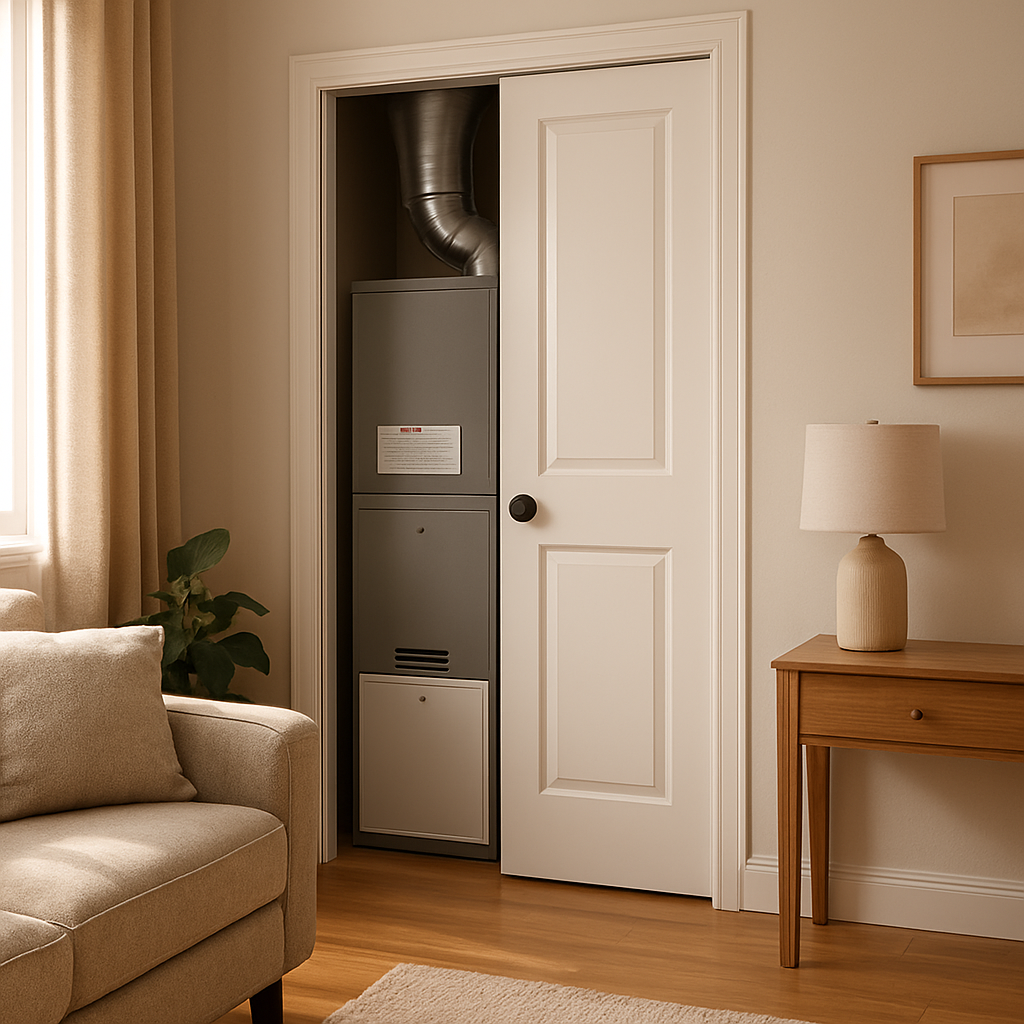
Furnace Buzzing Noise: Causes & What It Means
Quick Answer
A furnace buzzing noise is most often electrical vibration from the 24V transformer or inducer motor circuit, sometimes amplified by a loose cabinet panel. First, pinpoint when it buzzes: at a call for heat, during pre-purge, or constantly. If the buzzing is loud, changes pitch, comes with a burning smell, repeated failed starts, or breaker/blown fuse issues, turn the furnace off and call a technician.
Identify the Noise First
If the buzzing starts the moment the thermostat calls for heat and continues until the cycle ends, suspect the transformer being loaded or the inducer circuit drawing abnormally. If the buzzing begins during the startup delay or right before ignition, focus on the inducer motor energizing and the transformer feeding that control sequence.
If the buzzing happens only while the burners are active but stops when the burners shut off, suspect electrical load changes during the heating cycle that make a transformer hum more noticeable. If the buzzing begins when the blower starts, it may be cabinet vibration transferring and making a normal electrical hum sound louder.
If the buzzing is constant even when the thermostat is not calling for heat, suspect an always-energized transformer humming due to mounting resonance, line voltage issues, or a control board/low-voltage circuit load.
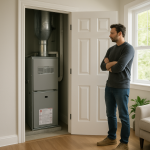
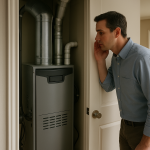
To isolate location, listen at the furnace cabinet door seam and around the burner/inducer side (usually upper section). A transformer buzz is typically a steady 60 Hz hum from the control area; an inducer-related electrical buzz often coincides with the inducer trying to start or ramp and will be tied to that pre-purge stage.
What This Noise Usually Means
This buzzing is usually magnetic vibration from an energized transformer or electrical strain in the inducer motor circuit. A transformer naturally vibrates slightly when energized, but loose mounting, cabinet resonance, or excessive load on the 24V circuit can turn that into an audible buzz.
For inducer-related electrical buzzing, the sound often reflects a motor that is electrically loaded or not starting cleanly, causing the control sequence to stall or repeat. In both cases, the noise source is electrical, but it can be made much louder by panel vibration, wire contact with sheet metal, or a control box acting like a speaker.
Most Common Causes
- Loose furnace panels or control box cover amplifying a normal transformer hum
Clue: Buzzing changes or quiets when you press lightly on the cabinet door or the area around the control compartment.
- Transformer mounting bolts loose or transformer laminations vibrating
Clue: Buzz is steady whenever the furnace has power, even when not heating, and it seems to come from the control area.
- Low-voltage load issue causing transformer to buzz under demand
Clue: Buzz gets noticeably louder only during a heat call, and you may also notice intermittent thermostat resets, flickering display, or a blown low-voltage fuse.
- Thermostat wire or low-voltage wiring contacting metal and transmitting vibration
Clue: Buzz appears to come from a cabinet edge or wire entry point; it may change with furnace vibration during startup.
- Inducer motor struggling electrically at startup
Clue: Buzz happens during pre-purge with a slow or delayed inducer start, repeated attempts, or a heating cycle that aborts before ignition.
- Inducer motor windings overheating or drawing high current
Clue: Buzzing is paired with a hot electrical smell near the furnace, or the inducer runs but sounds strained and the noise may increase over time.
- Line-voltage irregularity increasing transformer audible hum
Clue: Buzz is worse at certain times of day, or coincides with lights dimming when the furnace starts, while the furnace otherwise operates normally.
- Control board relay/drive noise being amplified by the cabinet
Clue: Buzz occurs only in specific stages (inducer energize, ignition sequence) and sounds like an electrical hum rather than a rattle, but it changes with panel pressure.
How to Check Safely
- Confirm the exact timing
Stand near the furnace during a call for heat and note whether buzzing starts immediately, during pre-purge, at ignition, or after the blower starts.
- Check if it is constant
Set the thermostat to Off and listen. If buzzing continues, it points more toward a transformer/cabinet resonance issue than an inducer-start issue.
- Do a gentle panel pressure test
With the furnace running, press lightly on the front door and nearby seams. If the buzz changes significantly, the electrical sound may be normal hum that is being amplified by a loose panel.
- Look for obvious cabinet vibration points
Check that the furnace sits solidly on the floor and is not touching ductwork, pipes, or framing that could act as a soundboard.
- Listen for inducer correlation
If the buzz only occurs during the early heating sequence, listen for the inducer fan starting. A delayed or struggling start points toward an inducer electrical/mechanical problem that needs service.
- Check the air filter and return grille restriction
A severely restricted filter can increase vibration and make normal hum louder. Replace the filter if it is dirty and confirm return grilles are open.
- Check for thermostat repeatability
Lower the thermostat to stop the call, then raise it to restart. If the buzz happens at the same step every time, note that stage for the technician.
- Stop if you notice electrical warning signs
If there is a burning smell, visible flickering lights at the furnace, repeated failed ignition attempts, tripped breakers, or the furnace stops mid-cycle, turn the furnace off at the switch and call a technician.
Normal vs A Problem
Often normal: A faint, steady transformer hum that has been there for years and does not change in volume, does not affect heating performance, and is not accompanied by smells, error codes, or cycling problems. Mild hum that gets quieter when the cabinet is firmly seated can simply be resonance.
Usually a problem: Buzzing that is new, suddenly louder, fluctuates, or ramps up during the inducer pre-purge. Any buzzing paired with delayed starts, repeated attempts to light, nuisance fuse blowing, thermostat resets, burning smell, or breaker trips points to an electrical load issue, failing inducer motor, or transformer stress.
When to Call a Technician
-
The buzzing is loud, harsh, or increasing week to week, even after confirming the cabinet panels are secure.
-
The furnace retries the startup sequence, fails to ignite, or shuts down shortly after the inducer should start.
-
You notice a hot or burning electrical smell near the furnace.
-
A low-voltage fuse blows, the thermostat display resets, or the system behaves erratically during a heat call.
-
The buzzing is constant with no call for heat and is clearly coming from the control area.
-
Any breaker trip, arcing sound, or visible sparking is present. Turn the unit off and schedule service.
How to Prevent This Problem
-
Keep furnace doors and panels properly seated after filter changes so cabinet resonance does not amplify normal transformer hum.
-
Replace filters on schedule to reduce vibration and prevent abnormal operating conditions that can worsen electrical noise.
-
During annual maintenance, ask the technician to check transformer mounting, wiring routing near sheet metal, and inducer motor electrical readings.
-
Keep low-voltage thermostat wires protected and secured so they do not rub against the cabinet or get pinched by access doors.
-
Address repeated short-cycling or failed starts promptly; prolonged inducer strain can turn a minor buzz into a component failure.
Related HVAC Noise Problems
-
Rattling at startup that stops when you press on the furnace door, cabinet resonance mimicking electrical buzz.
-
Clicking followed by no heat, control sequence trying to energize the inducer but aborting.
-
Humming only when the thermostat calls, low-voltage load making the transformer louder under demand.
-
Inducer makes a loud growl or squeal instead of a buzz, mechanical bearing wear rather than electrical hum.
-
Buzzing after a power outage, line voltage fluctuation making transformer hum more noticeable.
-
Rapid on-off buzzing synchronized with the heating attempt, control circuit cycling due to a fault.
-
Vibration noise from nearby ductwork mistaken for transformer buzz during pre-purge.
-
Low hum that gets louder when the blower starts, cabinet or duct resonance amplifying existing electrical noise.
-
Intermittent buzzing with thermostat display flicker, low-voltage instability affecting transformer load.
Conclusion
A furnace buzzing noise most often traces to transformer hum or inducer-circuit electrical strain, sometimes made louder by cabinet resonance. Identify when it happens in the heating cycle and see if gentle cabinet pressure changes the sound. If the buzz is loud, new, tied to failed starts, or accompanied by burning smell or electrical interruptions, shut the furnace off and call a technician.
Frequently Asked Questions
Can a furnace transformer buzz and still be OK?
Yes. A light, steady hum can be normal, especially if it is unchanged over time. If it becomes louder, starts suddenly, or is tied to performance issues or blown fuses, it needs diagnosis.
Why does the buzzing happen right before ignition?
That timing lines up with the inducer and control sequence energizing. The transformer may be under higher load, or the inducer motor may be struggling electrically during startup, making the buzz more noticeable.
How do I tell transformer buzz from a loose panel rattle?
A loose panel noise usually changes a lot when you press on the cabinet door or seams. A transformer buzz is steadier in tone and often seems centered near the control area, though loose panels can amplify it.
Is it safe to keep running the furnace if it is buzzing?
If the buzz is faint and the furnace runs normally, it is usually not urgent. If the buzzing is loud, worsening, or accompanied by burning smell, failed starts, thermostat resets, or breaker/fuse issues, turn the furnace off and schedule service.
Will changing the filter stop an electrical buzz?
It can reduce vibration and cabinet resonance that makes a normal hum sound louder, but it will not fix a transformer under abnormal load or an inducer motor electrical problem. If the buzz remains unchanged after a filter change and panel check, plan on a technician visit.
What’s left now is quieter than the panic that usually comes first. The noise fades, and the day just keeps going—messy, ordinary, and surprisingly manageable.
There’s a kind of relief in letting the problem stop living in your head. Not dramatic, not cinematic, just a small exhale you notice only because it finally lasts.