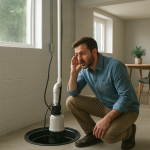
Sump Pump Loud After Installation? Setup Mistake Or Easy Fix?
Quick Answer (Most Likely Cause)
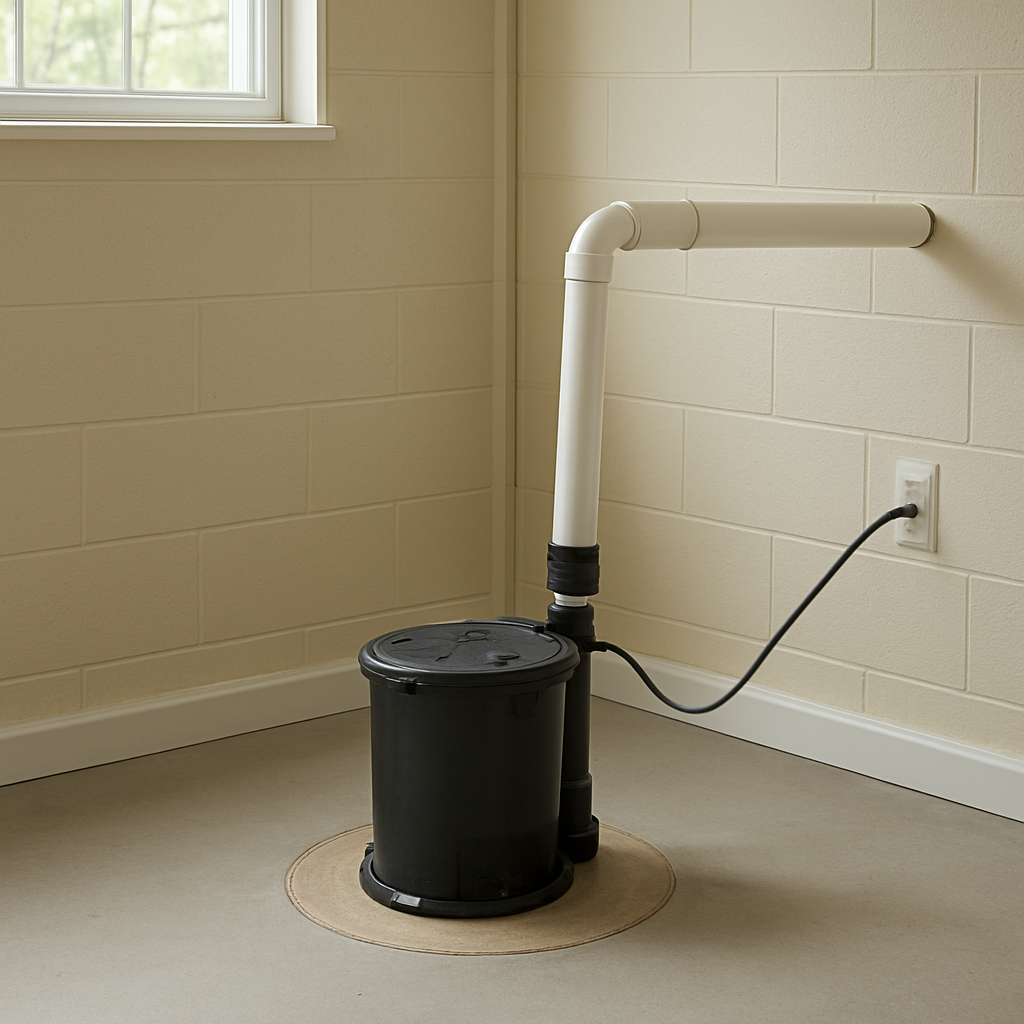
Most loud sump pumps right after installation are not bad pumps. The usual cause is vibration transfer from an unlevel pump base, pipe tension, or an unsecured discharge line acting like a speaker. First action: unplug the pump, confirm it sits flat on the basin floor, then loosen/re-align the discharge connection and add solid strapping/support so the pipe is not pulling on the pump or check valve. If the pump cannot evacuate water or the basement is rising, call a technician.
Identify the Noise First
Pin down when the noise happens. Newly installed systems tend to be loud only under certain timing conditions, which points directly to setup issues.
Loud at startup only: brief clunk, rattle, or bang as the pump kicks on often indicates pipe movement, check valve movement, or a discharge line that is not supported.
Gets loud while pumping (steady running): vibration humming or droning that increases with flow commonly means discharge piping is resonating because it is rigid, tight, or touching framing.
Very loud during heavy rain or long run time: noise that builds during longer cycles often indicates discharge pipe resonance, line restriction, or the pump working harder because of head/flow load.
Humming but not pumping: electrical hum from the motor plus stalled impeller (jam, blocked intake, locked check valve). This is a stop-and-check condition.
Noise happens when the pump stops: sharp thud often points to check valve slam or vertical discharge line recoil from poor support.
Noise only after installation (was quiet before replacement): strongly suggests leveling, pipe alignment, or discharge support changed with the new install.
What This Noise Usually Means
After installation, the most common mechanism is vibration being transferred and amplified. A sump pump produces normal motor vibration and water turbulence. If the pump is slightly tilted, sitting on debris, or the discharge piping is forcing the pump outlet sideways, that vibration travels into the discharge line and framing. The discharge pipe then acts as a resonator, turning a small vibration into a loud hum, rattle, or droning through the floor joists.
Secondarily, a partially restricted discharge line or check valve can create extra load and turbulence, making the pump louder and increasing vibration. Only after vibration and obstruction checks should you suspect a true electrical hum (motor windings/starting circuit) or internal mechanical wear.
Most Common Causes (Ranked by Probability)
Pump not level or not sitting flat on the basin floor
What happens: the housing vibrates against the basin, and the impeller/motor vibration transfers into the floor and piping.
Sound profile: loud buzzing, droning, or rattling that seems to come from the pit walls.
Clue: push lightly on the discharge pipe or pump body (while running only if safe and dry); noise changes immediately.
Discharge pipe tension pulling on the pump outlet
What happens: the pipe is misaligned and acts like a spring, loading the pump volute and creating constant vibration and occasional clicking.
Sound profile: steady vibration, sometimes with a rhythmic rattle as the pipe “settles” during flow.
Clue: the discharge connection looks slightly cocked; loosening the union/coupling reduces noise.
Unsecured discharge line or pipe touching framing
What happens: the pipe transmits vibration into joists, studs, or the foundation wall, amplifying noise through the structure.
Sound profile: loud hum that seems worse upstairs or at a wall, not just at the pit.
Clue: pipe is hard against wood/concrete or hanging without straps; tapping the pipe reproduces a similar sound.
Check valve orientation/placement causing slam or chatter
What happens: incorrect direction, too close to the pump, or no support allows the valve to slam or chatter as flow starts/stops.
Sound profile: clunk at shutoff, or rapid clicking during run.
Clue: loudest noise is at shutoff; arrow on valve does not match flow direction; valve body shakes.
Discharge restriction or partial obstruction (including stuck check valve)
What happens: increased head pressure makes the pump work harder; turbulence and vibration increase.
Sound profile: louder-than-expected running with harsher tone; sometimes surging.
Clue: weak discharge outside, longer run time, or water level drops slowly.
Debris at the intake or in the pit causing rattling (sediment/obstruction)
What happens: gravel, zip ties, or pit sediment gets pulled into the intake area and vibrates or strikes the impeller zone.
Sound profile: intermittent rattling or grinding-type vibration that changes with water level.
Clue: noise gets worse with lower water level; visible debris near the intake screen.
Load-related strain from incorrect discharge height or undersized piping
What happens: excessive lift or restrictive diameter increases load; motor runs louder and transfers more vibration.
Sound profile: louder motor tone during the entire run, often with more heat at the pump body.
Clue: pump runs longer than expected; discharge line is small or has many tight elbows right out of the pit.
True electrical component hum (motor/start components) vs amplified normal hum
What happens: a true electrical hum is produced inside the motor or starting components; amplified hum is normal motor vibration made loud by rigid piping/contacts.
Sound profile: true electrical hum is a steady tone even with minimal water movement; amplified hum changes when you lightly stabilize the pipe.
Clue: if the pump hums but barely moves water, suspect electrical or a stalled impeller; if it pumps strongly but is loud, suspect vibration transfer first.
Internal mechanical wear or defect (impeller/motor bearings)
What happens: worn bearings or impeller issues create rough running and vibration independent of piping.
Sound profile: harsh growl or grinding that persists even when the discharge line is stabilized and properly supported.
Clue: noise stays the same after leveling, relieving pipe tension, and securing the discharge; may trip thermal overload in severe cases.
How to Check Safely
If water is actively rising or the pump is not evacuating the pit, do not spend time troubleshooting. Use backup pumping if available and call for service.
Unplug the pump before touching anything in the pit. Keep hands out of standing water when power is connected.
Check pump seating and leveling
Confirm the pump sits flat on the basin floor, not on a rock, piece of PVC, or uneven liner fold.
If needed, lift the pump out (unplugged) and clear the basin floor. Set it back flat.
Check for discharge pipe tension
Look at the connection at the pump outlet and check valve. The piping should meet the pump straight, without side pull.
If there is a union or rubber coupling, loosen slightly, align the pipe so it is neutral, then retighten evenly.
Secure the discharge line
Strap the vertical discharge pipe to a solid surface so it cannot shake or strike framing.
Ensure the pipe is not touching joists, drywall, or the rim joist. Add clearance where it contacts wood.
Listen for check valve behavior
Plug the pump in and run a test cycle by filling the pit with water (bucket or hose) only if you can control the water and the discharge path is verified.
Noise at shutoff points to check valve slam or unsupported vertical pipe recoil.
Check for obstruction without teardown
With power unplugged, inspect around the intake area for debris and remove visible material.
Confirm the float moves freely and is not rubbing the basin wall or piping.
Differentiate true electrical hum from vibration amplification
If safe and dry, during a run cycle lightly steady the discharge pipe away from framing. If the sound drops significantly, it is vibration transfer, not an electrical fault.
If the pump hums and does not move water, unplug it and stop testing.
Normal Operating Sound vs Warning Signs
Normal: smooth whirring during pumping, minor water rush, brief click from float switch, and a mild thump at shutoff.
Normal but needs minor adjustment: noticeable vibration or hum that improves when the discharge pipe is supported or moved off framing.
Warning: vibration damaging piping: discharge pipe visibly shakes, strikes wood/concrete, or loosens fittings. This should be corrected promptly to avoid leaks.
Warning: obstruction/sediment: rattling or grinding sounds, reduced flow outside, longer run times, or surging discharge.
Warning: cavitation/air issues: harsh, crackly sound with unstable flow, often tied to poor intake conditions or restriction.
Warning: motor strain: louder, harsher tone with slow water level drop, very frequent long cycles, or pump body running unusually warm.
Warning: overheating or electrical trouble: pump hums without pumping, repeatedly stops and restarts on its own, or trips a breaker/GFCI. Stop and call for service.
Warning: failure to pump: water level does not drop or rises during operation. Treat as urgent.
When Professional Service Is Recommended
Noise remains loud after you confirm the pump is level, pipe tension is eliminated, and the discharge line is strapped and not touching framing.
Persistent rumbling, grinding, or metallic sounds that suggest internal mechanical wear rather than vibration transfer.
Breaker trips, GFCI trips, repeated resets, or the pump hums but does not move water.
Pump runs but does not evacuate water effectively, or the pit refills immediately due to check valve/backflow issues.
Signs of leaking at fittings caused by vibration or pipe movement.
Discharge routing or height appears excessive and the pump is straining, especially if this is a new install layout change.
How to Prevent This Problem
Set the pump on a flat, stable base and keep the basin floor clear of rocks and construction debris before setting the pump.
Use a union or flexible coupling to allow neutral alignment and reduce vibration transfer to rigid piping.
Strap the discharge pipe within a short distance above the pit and at intervals so it cannot resonate or hit framing.
Keep the discharge line off framing and maintain clearance through rim joists and wall penetrations.
Install the check valve correctly (arrow in direction of flow) and keep it supported so it cannot slam from pipe recoil.
Minimize restrictive fittings near the pump outlet and avoid tight turns immediately above the lid when possible.
Annual pit cleaning: remove debris/sediment that can be pulled into the intake and cause rattling or strain.
Related Water & Pump Noise Problems
Water heater popping after years of use from sediment release during heating
Sump pump hums but does not discharge due to obstruction or failed start components
Loud sump pump only during storms from high load and discharge line resonance
Water heater ticking after heating from pipe expansion against framing
Pipe banging near a water heater from unsecured lines and thermal movement
Sump pump short cycling from float interference or check valve backflow
New noise after sump pump replacement from misaligned discharge piping
Vibration noise after plumbing work because discharge pipe now contacts framing
Check valve clunk at shutoff caused by unsupported vertical discharge pipe
Rattling in sump pit from debris pulled toward the intake screen
Conclusion
A sump pump that becomes loud right after installation is most commonly dealing with leveling, discharge pipe tension, or an unsecured discharge line that transfers and amplifies vibration. Start by unplugging the unit, setting the pump flat, relieving any side load at the outlet, and strapping the discharge so it cannot resonate or strike framing. If the pump hums without pumping, trips power, or cannot lower the water level, stop and schedule service.
Frequently Asked Questions
Is a loud sump pump after installation unsafe to run?
If it is pumping water down normally and not tripping power, it is usually not an immediate safety issue, but the vibration can loosen fittings and create leaks over time. If the pump hums without moving water, the water level rises, or a breaker/GFCI trips, unplug it and get service because the motor can overheat or you can lose drainage when you need it.
What is a reasonable repair cost for a loud newly installed sump pump?
Most post-install noise fixes are labor and small materials: re-leveling, re-aligning the discharge, adding straps, or replacing a check valve. Expect a service call plus basic parts. If the pump itself is defective, replacement may be covered under warranty, but diagnosis and rework labor varies by site conditions and discharge layout.
What can I do right now to quiet it temporarily?
Secure the discharge pipe so it cannot touch framing and add clearance where it contacts wood or concrete. If there is visible pipe tension at the outlet, loosening a union or flexible coupling and re-aligning to a neutral position often reduces noise immediately. Do not add insulation or wrap that hides leaks. Do not run the pump if it is humming without pumping.
Should I repair it or replace the pump?
Repair the installation first. Leveling, removing pipe strain, and properly strapping the discharge solves the majority of loud-after-install complaints. Replace the pump only after those steps if the noise remains harsh and mechanical, if performance is weak, or if it overheats/trips protection repeatedly, which points to internal mechanical or electrical problems.
How urgent is this if the pump is working but loud?
Moderately urgent. A loud but functioning pump usually indicates vibration transfer that can loosen joints, crack fittings, or shake the check valve over time. Correct the support and alignment soon. It becomes urgent immediately if pumping performance drops, the pit water rises, or electrical protection trips.
There’s a quiet relief in seeing the pieces line up, like the last stubborn button finally giving in. The noise fades, and what’s left feels oddly simple, even if it wasn’t simple for everyone at first.
Not everything gets fixed in one breath, but the direction is clear. And that clarity—plain, unglamorous—does a lot more than you’d expect.