Sump Pump Rattling Sound? Loose Parts Or Serious Problem?
Quick Answer (Most Likely Cause)
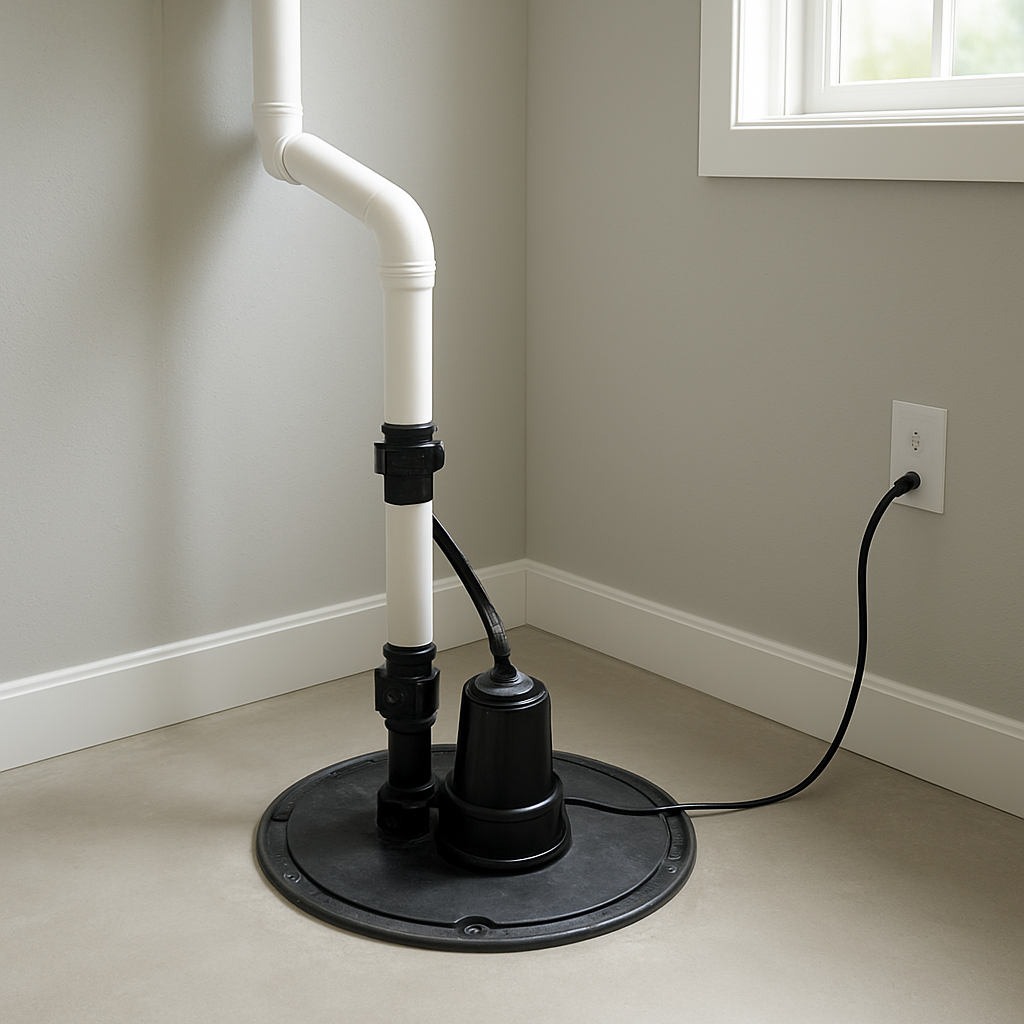
The most common cause of a sump pump rattling sound is discharge piping vibration and check valve chatter: the pump starts, pressure pulses, and a loose discharge pipe, loose union, or a worn/flapping check valve disc rattles against the pipe or pump housing. First action: watch and listen during a full pump cycle while lightly steadying the discharge pipe. If the pump is not evacuating water, the pit is rising, or any piping is cracking/leaking, stop use and call a technician.
Identify the Noise First
Match the rattling to when it happens. This timing is the fastest way to separate pipe/check valve chatter from a pump problem.
At startup only (first 1–3 seconds): typical of loose discharge pipe, loose check valve, or a check valve disc slamming/chattering as flow establishes.
Only when the pump shuts off: check valve closing abruptly, water hammer in the discharge line, or an unsecured pipe snapping against framing.
Rattles the whole time it runs: discharge pipe vibrating against a joist/wall, loose pump cover, or the pump rocking from a soft/muddy pit bottom.
During heavy rain/high water flow: higher flow increases pipe movement and makes a marginal check valve chatter more obvious.
Humming but not pumping (no water movement): this is not pipe chatter; treat as obstruction or motor/electrical issue and avoid repeated restarts.
Right after installation or plumbing work: usually missing pipe clamps, wrong check valve orientation, or a tight pipe connection transmitting vibration into the house.
New noise on an older system: often a loosening union/clamp, a check valve wearing out, or sediment/debris reaching the check valve/impeller.
What This Noise Usually Means
With this symptom, the highest-probability mechanism is vibration transfer. When the pump starts, the discharge line quickly pressurizes. If the discharge pipe is loosely supported or touching framing, it acts like a tuning fork and rattles. If the check valve is worn, improperly sized, installed too close to an elbow, or seeing turbulent flow, the valve’s flapper or spring-loaded disc can oscillate rapidly. That oscillation is heard as rattling or machine-gun clicking and can shake the pump housing and pipe.
Debris and sediment can make this worse by preventing the check valve from opening smoothly or by partially obstructing the discharge, increasing pulsation. Only after vibration and obstruction are ruled out should you suspect motor hum, internal wear, or bearing issues.
Most Common Causes (Ranked by Probability)
Loose discharge pipe transmitting vibration to framing
What happens: pipe moves when flow starts/stops and taps a joist, wall, or the basin lid.
Sound profile: rattling or rapid tapping, often loudest near where the pipe touches something solid.
Clue: noise changes or stops when you gently steady the pipe by hand (without putting fingers near moving parts).
Check valve chatter (worn flapper/disc, wrong style, or turbulence)
What happens: the valve disc oscillates instead of staying fully open, often due to wear, debris, or unstable flow.
Sound profile: clicking/rattling in short bursts, most noticeable at startup or near shutoff.
Clue: sound is centered at the check valve body and may vary with water level/run time.
Loose check valve clamps or union coupling
What happens: rubber couplers, band clamps, or unions vibrate and rattle against the pipe or basin lid.
Sound profile: metallic rattle or plastic-on-plastic chatter.
Clue: visible movement at the coupler during operation; moisture staining at a joint suggests it is also starting to seep.
Pump housing vibration from poor seating in the basin
What happens: pump rocks because it is sitting on silt, a crooked brick, or an uneven basin bottom; discharge piping then amplifies it.
Sound profile: rattling plus a low vibration; may come and go as the pit level changes.
Clue: pump shifts when the float moves; discharge pipe looks like it is pushing the pump off-center.
Sediment or debris partially obstructing the impeller or volute
What happens: the pump’s load fluctuates; flow pulses increase and can trigger check valve chatter and pipe shake.
Sound profile: rattling mixed with a rougher running sound; discharge may surge instead of running steady.
Clue: reduced pumping rate, longer run times, or frequent cycling compared to normal.
Discharge line restriction (frozen line, clogged outlet, kinked hose)
What happens: higher backpressure increases vibration and forces the check valve to flutter.
Sound profile: harder, more aggressive rattling; sometimes followed by short cycling.
Clue: weak discharge outside, water returning to the pit, or the pump sounds strained.
Load-related mechanical strain from high head pressure
What happens: the pump is working near its limit; vibration increases and unstable flow can rattle the piping.
Sound profile: louder running with intermittent rattling; may be worse during storms.
Clue: long vertical lift, long discharge run, or recent reroute that added elbows/head height.
True electrical component hum mistaken as rattling
What happens: motor windings hum normally under load, but the discharge pipe or lid amplifies it into a buzzing/rattle.
Sound profile: steady hum/buzz rather than sharp clicks.
Clue: hum is constant while running; touching the lid or pipe changes the sound without affecting flow.
How to Check Safely
These checks stay outside the pump and wiring. If the water level is rising and the pump is not keeping up, do not spend time diagnosing. Call for service.
Do a controlled cycle test: pour water into the pit until the pump runs (or wait for a normal cycle). Stand clear of the pit opening and listen for where the rattle is loudest: check valve area, pipe contact point, or the pump body.
Lightly stabilize the discharge pipe: with one hand, gently steady the vertical discharge pipe above the pit lid while the pump starts. If the rattling drops significantly, you have a vibration transfer issue (pipe support, loose coupling, or valve chatter) rather than a failing motor.
Inspect for pipe-to-structure contact: look for the discharge pipe touching joists, wall studs, the basin lid, or another pipe. Even light contact can rattle when the pump starts.
Locate and inspect the check valve: identify the valve body and confirm the flow arrow points up/out. Look for a loose valve body, loose clamps, or a valve installed directly on a pump discharge with no stable pipe support.
Check couplers and unions for movement and seepage: look for water marks, mineral tracks, or wetness around band clamps and unions. A joint that moves and seeps is a correction item, not just a noise issue.
Confirm discharge outside is strong: when the pump runs, verify water exits outdoors. Weak flow suggests restriction or obstruction, which can cause pulsation and chatter.
Watch for short cycling: if the pump turns on/off rapidly, the check valve may be leaking back or the discharge line is draining back, increasing chatter and wear.
Safety stop conditions: unplug sparks, burning odor, repeated tripping, the pump hums without pumping, or any visible crack/leak in discharge piping. Stop use and call a technician.
Normal Operating Sound vs Warning Signs
Normal: one solid thump when the pump shuts off (check valve closing) with no ongoing rattling and no pipe movement hitting framing.
Normal: brief vibration at startup that settles within 1–2 seconds, with steady discharge flow.
Warning: rapid clicking or machine-gun rattle at the check valve during most of the run cycle (chatter). Indicates unstable flow, a worn valve, or improper installation.
Warning: discharge pipe visibly shaking or striking wood/metal. This can loosen joints and eventually create leaks.
Warning: rattling plus noticeably reduced pumping rate, longer run times, or surging discharge. Points toward obstruction/sediment or a restricted discharge.
Warning: humming with little or no water movement. This is not normal vibration; it suggests an impeller obstruction, a seized component, or an electrical/motor issue and should not be repeatedly reset/restarted.
Warning: frequent cycling every few minutes even with low inflow. Often a leaking check valve causing water to fall back into the pit.
When Professional Service Is Recommended
Rattling persists after securing obvious pipe contact points or changes only temporarily, indicating valve chatter or a piping configuration issue.
Any leak at the check valve, couplers, or unions or signs the pipe is stressing the pump discharge.
Pump cannot keep up during normal rain or the pit level rises while running.
Humming without pumping, repeated tripping, or repeated thermal overload resets (indicates obstruction, strain, or electrical/motor fault).
Evidence of discharge restriction such as weak flow outdoors, suspected freezing, or recurring clogs.
Vibration is damaging the system such as loosening fittings, cracking PVC, or causing the basin lid/cover to break.
How to Prevent This Problem
Rigidly support the discharge pipe: add proper pipe strapping so the pipe cannot tap framing or the basin lid during start/stop.
Use the right check valve and install it correctly: correct orientation, correct size, and placed where it is not forced to chatter by turbulence (often requires adequate straight run and stable mounting).
Keep the pit cleaner: remove loose gravel/silt from the basin when safe and accessible to reduce debris reaching the impeller and check valve.
Verify strong discharge outside: keep the exterior outlet clear and directed so it cannot clog with mud, ice, or leaves.
Avoid tight, stressed connections: discharge piping should not be forcing the pump to sit crooked or pulling on the pump outlet.
Test the pump periodically: a controlled fill test helps catch early chatter, weak flow, or a sticking float before a storm.
Annual inspection: check valve operation, clamp tightness, and pipe supports once per year or before wet season.
Related Water & Pump Noise Problems
Sump pump hums but does not discharge water (likely obstruction or failed start/run component, not pipe chatter).
Sump pump makes a loud bang when it shuts off (check valve slam or water hammer from poor piping support).
Sump pump is loud only during heavy rain (higher flow increases pipe vibration and exposes marginal check valves).
Sump pump short cycles every 1–3 minutes (leaking check valve or discharge draining back).
Noise started right after sump pump replacement (missing pipe straps, misaligned piping, wrong valve location/style).
Rattling coming from basement ceiling near the discharge line (pipe-to-joist contact transmitting vibration).
Grinding sound during pumping (debris in impeller area; can cause pulsation and secondary check valve chatter).
Gurgling after the pump stops (drain-back through a bad/no check valve or air movement in the discharge line).
Water heater popping after years of use (sediment-related noise, separate issue from sump pump vibration).
Water heater ticking after heating (thermal expansion in piping, separate from sump discharge noise).
Conclusion
A rattling sump pump is most often discharge pipe vibration and check valve chatter, not an immediate pump failure. Your next safe step is to identify when the noise occurs and pinpoint whether it is centered at the check valve or at a pipe contact point, then verify solid supports and steady discharge flow. If the pump cannot evacuate water, is humming without pumping, or any joint is leaking, schedule professional service.
Frequently Asked Questions
Can a rattling sump pump cause flooding, or is it just a noise?
Pipe and check valve rattling by itself is usually a noise and support issue, but it can become a reliability problem if it loosens a coupling, cracks PVC, or indicates a restriction that reduces pump output. If the pit water level rises while the pump runs or the pump hums without moving water, treat it as urgent and call for service.
Is it safe to keep running the pump if the check valve is chattering?
If the pump is evacuating water normally and there are no leaks, it can usually run short-term. However, chatter increases wear on the valve and stresses the piping. If you see pipe movement hitting framing, any seepage at joints, or the pump is short cycling, stop troubleshooting and have the valve/piping corrected.
What does it typically cost to fix sump pump rattling from the discharge pipe or check valve?
Minor fixes like adding pipe straps or correcting pipe contact points are typically low labor. Replacing a check valve or reworking a small section of discharge piping is usually moderate. Cost varies mainly by accessibility, whether PVC needs to be cut and re-coupled, and whether there is existing water damage or failed fittings.
What temporary mitigation can I do today to reduce the rattling?
If accessible and dry, ensure the discharge pipe is not touching the lid or framing, and gently reposition it to eliminate contact. You can also add a temporary cushion at a contact point (without blocking access or stressing fittings). Do not tape or wedge the check valve itself, and do not disassemble piping if the system is needed for storm conditions.
Should I repair the check valve or replace the pump if it’s rattling?
If the noise is concentrated at the check valve and the pump output is strong, the fix is usually piping support and check valve replacement or correction, not a pump replacement. Replace the pump only after vibration transfer and obstruction are ruled out and there are clear signs of motor strain, repeated overload trips, or poor pumping performance despite a clear discharge line.
There’s a strange relief in finally letting the noise settle. The choices feel less dramatic now that the path is obvious, even if you didn’t get there on purpose.
What remains is mostly ordinary—small moments where everything clicks without needing a whole speech. That’s the best kind of progress: quiet, steady, and already making the day easier.