Furnace Banging Noise: Causes & When to Worry
Quick Answer
A furnace bang most often comes from delayed ignition or a ductwork expansion pop during a heat cycle. First, note exactly when it happens: at burner ignition, when the blower starts, or as ducts warm up. If the bang is at ignition, shut the furnace off and call a technician due to risk of rough ignition and burner-related damage. If it’s after warm-up, check for loose panels and duct movement.
Identify the Noise First
If the bang happens 1–5 seconds after you hear the furnace try to light, then it is likely delayed ignition at the burners. If the bang happens after the burners have been running and the supply air is getting hot, it is more likely duct expansion oil-canning.
If the bang happens right when the blower starts (a noticeable airflow change), suspect a duct pop from sudden pressure change rather than ignition. If the bang happens at shutdown as the furnace cools, suspect duct contraction.
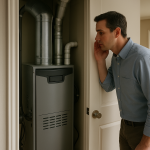
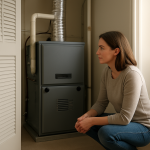
To isolate indoor vs. duct noise, stand near the furnace cabinet for one cycle, then listen near the main trunk line or a large return/supply duct for the next cycle. Ignition bangs are usually sharp and localized at the furnace. Duct pops often sound like they come from a wall, ceiling, or floor run.
What This Noise Usually Means
Delayed ignition is when gas builds in the burner area for a moment before lighting. When it finally ignites, you hear a small bang or thump as the flame front catches up quickly. This is typically tied to flame carryover issues, dirty burners, incorrect ignition timing, or venting/combustion conditions that slow light-off.
Duct expansion banging is a sheet-metal effect. As ducts heat up, the metal expands and can snap at a panel seam, a flat duct side, or a tight strap location. The same thing can happen when the blower ramps on and the duct “pops” from a pressure change.
Most Common Causes
- Normal duct expansion pop at heat-up: One or two bangs 1–10 minutes into a heat call, often from the same ceiling or wall location, with otherwise normal heating.
- Duct oil-canning from weak or oversized duct panels: A deeper pop that repeats as temperature rises, often worse on long runs of wide rectangular duct with large flat surfaces.
- Duct shifting at hangers, straps, or tight pass-throughs: Bang occurs as metal slides then releases; you may see the duct jump slightly or hear rubbing near framing.
- Supply/return pressure change pop when the blower starts: Bang coincides with airflow surge; some rooms may feel a quick pressure change at doors.
- Loose furnace access panel or nearby sheet metal vibrating and snapping: Sound seems to come from the furnace area and may be repeatable with blower start or burner light-off.
- Delayed ignition from dirty burners or crossover channels: Bang is immediate at ignition attempt; flame may light unevenly across burners after the bang.
- Delayed ignition from a weakening igniter or burner ignition timing issue: Longer-than-usual pause before lighting, then a sharper bang; symptoms may be intermittent.
- Restricted combustion air or venting causing rough light-off: Bang happens mainly on windy days or after snow/ice events; may also notice occasional burner flutter before stable flame.
How to Check Safely
- Track the timing: On a heat call, write down when the bang occurs: during ignition, after burners are stable, at blower start, or at shutdown.
- Repeatability test: Set the thermostat 2–3 degrees above room temp, let it run until the bang happens, then let it shut off and repeat once. Consistent timing is a strong clue.
- Listen in two locations: First cycle: stand near the furnace cabinet. Second cycle: stand near the largest supply trunk or a known loud room. Compare where it’s loudest.
- Panel and door check: With the furnace off, confirm the blower door and burner compartment door are seated and snug (no rattling when tapped lightly). Do not remove sealed burner covers.
- Filter and airflow basics: Confirm the filter is clean and correctly installed. Excess airflow restriction can increase duct movement and popping at blower start.
- Register and return check: Make sure supply registers are open and not blocked by rugs/furniture. Sudden pressure changes can trigger duct pops.
- Duct contact points: Visually inspect accessible ducts for spots touching framing, pipes, or drywall. Look for shiny rub marks near straps or tight holes.
- Cabinet vibration transfer: Make sure nothing stored against the furnace or duct is touching and snapping (brooms, shelves, PVC drain lines, conduit).
- Stop and call a technician: If the bang is clearly at ignition, is getting louder, or you notice gas odor, soot, or burner rollout indicators, turn the system off at the thermostat and call for service.
Normal vs A Problem
Usually normal: A single duct pop as the system warms up or cools down, especially in older homes or large sheet-metal trunks. It tends to be brief, not increasing in volume, and heating performance stays normal.
More likely a problem: A bang right at ignition, a bang that is followed by a whoosh, repeated bangs on every ignition attempt, or a pattern that is getting louder over weeks. Also treat it as a problem if there is any burning smell, visible soot around furnace panels or supply openings, frequent cycling, or the furnace struggles to light smoothly.
When to Call a Technician
- The bang occurs at ignition or within a few seconds of the burners lighting.
- The ignition delay is noticeable, then the furnace lights hard.
- You smell gas at any time, even briefly, or notice soot or discoloration around the furnace.
- The noise is new and repeats every heat cycle, not just once per day.
- Heating performance drops, the furnace short-cycles, or the system is louder and rougher than normal during light-off.
- Duct bangs are severe enough to shake registers, rattle doors, or wake occupants regularly even after basic airflow checks.
How to Prevent This Problem
- Change filters on schedule to reduce pressure swings that can trigger duct popping at blower start.
- Keep supply registers and returns unblocked to avoid abrupt duct pressure changes.
- Have yearly burner and ignition service so burners, crossover channels, and ignition components light smoothly and consistently.
- Address duct support: add proper hangers/support where ducts sag or shift, and correct tight contact points that bind as metal expands.
- Seal and reinforce accessible duct sections where large flat panels oil-can, using appropriate duct reinforcement methods during service.
- Maintain combustion air pathways: keep intake/vent terminations clear of snow, debris, and vegetation where applicable.
Related HVAC Noise Problems
- Booming sound from vents when the blower starts, caused by duct pressure changes
- Popping or ticking in ceilings after the heat turns off, from duct cooldown contraction
- Rattle near the furnace only when the blower runs, from a loose access panel
- Metallic click followed by a thump at startup, from duct shifting at a tight framing hole
- Small bang at ignition with a brief whoosh, consistent with delayed ignition symptoms
- Fluttering or pulsing sound at the start of heat, tied to unstable early burner light-off
- Single loud pop from one room only, often a register boot or branch duct oil-canning
- Banging that changes with wind conditions, pointing to venting/combustion draft influence at light-off
- Buzzing followed by a delayed light, which can accompany ignition control or igniter timing issues
- Thump when the thermostat satisfies and airflow stops, from duct relaxation at shutdown
Conclusion
Most furnace banging is either a delayed ignition bang at burner light-off or a duct expansion pop as metal warms and shifts. The key diagnosis is timing: ignition-time bangs deserve a service call, while warm-up or shutdown pops usually point to duct movement. Start by logging when it occurs and where it’s loudest, then address airflow, panels, and duct contact points.
Frequently Asked Questions
Is one bang at the start of a heat cycle always delayed ignition?
No. A single bang can be a duct pop that happens as hot air first hits the trunk line or when the blower starts. If the bang happens right as the burners light, delayed ignition is more likely and should be checked.
Why does the bang happen only on the first heat call of the day?
Cold ductwork is more likely to oil-can as it warms up from room temperature. Delayed ignition can also be more noticeable after a long off period, but ignition-time banging is still not considered normal.
Can a dirty filter cause a banging noise?
Indirectly, yes. A restricted filter can change duct pressure and airflow, which can make ducts pop at blower start or cause more noticeable expansion noises. It does not cause true delayed ignition by itself.
Is duct expansion banging damaging?
Usually it is more of a comfort issue than a failure risk. If the bang is violent, frequent, or new, it is worth having duct supports, tight contact points, and duct reinforcement evaluated.
What should I do if I suspect delayed ignition?
Turn the thermostat off and schedule service. Delayed ignition is typically corrected by cleaning/adjusting burners and addressing ignition timing, carryover, or combustion/venting conditions. Do not keep cycling the furnace to test it.
What’s left now is just the shift—from thinking about it to living with less noise. The world doesn’t suddenly get friendlier, but it feels a little more navigable.
In the space between “knowing” and “doing,” there’s a quieter kind of satisfaction. Not dramatic, not loud—just steady, like finally finding the missing page.