Washing Machine Buzzing Noise? Causes and Troubleshooting Guide
Quick Answer
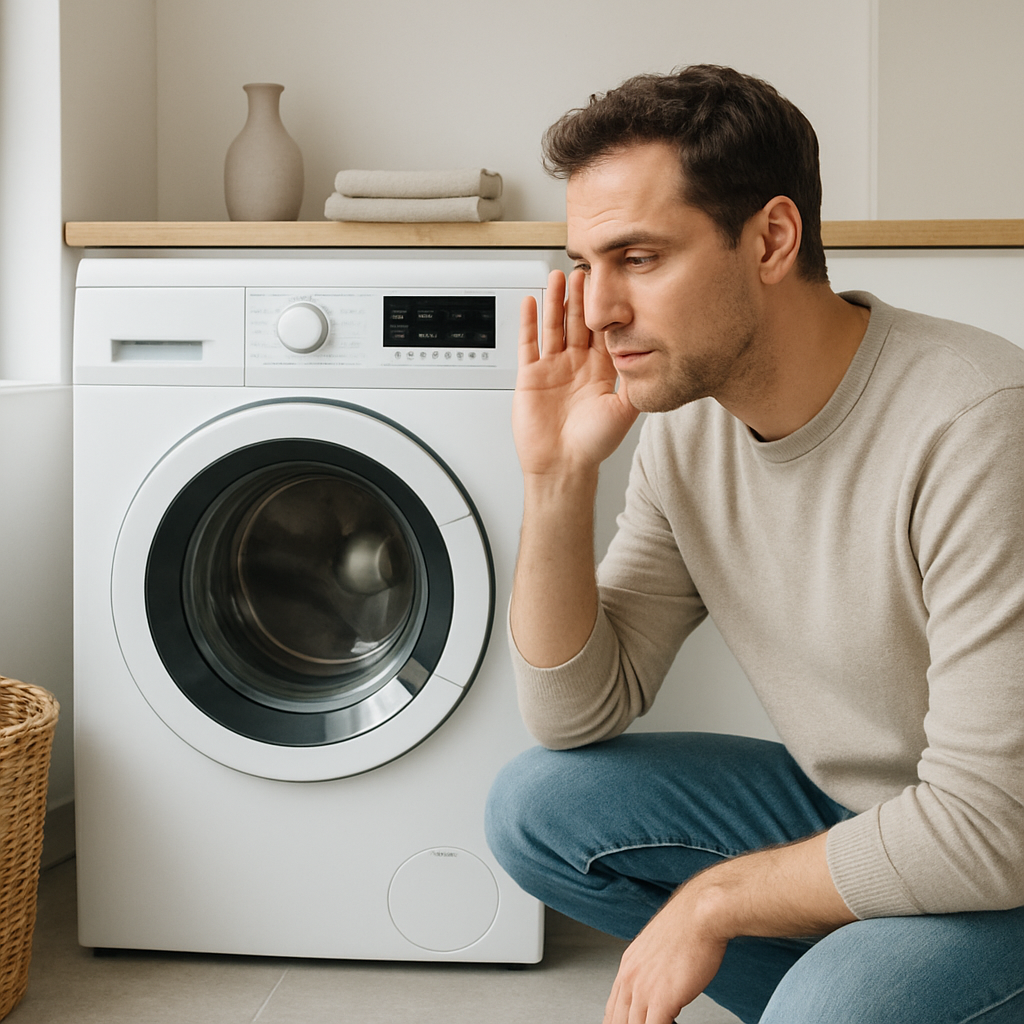
A buzzing washing machine most often means an electric motor or drain pump is energized but not turning due to a jam, overload, or failed start component. First action: stop the cycle, unplug the washer, and identify when the buzz happens (drain, spin, fill, or constant). If the buzz happens mainly during drain, check the pump filter and drain path for blockages before running it again.
Identify the Noise First
Buzzing is an electrical load symptom. The timing tells you which component is being powered.
During drain (water leaving the tub): Buzz starts when the machine should be pumping out water. Often a restricted pump/filter or jammed impeller.
During spin (basket should ramp up): Buzz as the machine tries to start or maintain spin. Commonly a motor struggling under load, a start capacitor issue (model-dependent), or a control/drive fault that leaves the motor stalled.
During fill (water entering): Buzz/hum while the machine is calling for water. Usually a water inlet valve coil energized but water flow is blocked or weak, making the valve vibrate.
Constant buzz whenever powered on: Points to a stuck relay, failing control board component, or a motor/pump being continuously energized.
Intermittent buzz in short bursts: Often the control attempting restarts after sensing a stall or not reaching target speed, commonly tied to motor load or a pump struggling.
Also note whether the drum is moving. A buzz with no movement is the clearest sign of a powered component that cannot turn.
What This Noise Usually Means
A true buzz is typically the sound of an energized coil or motor windings under load. When a motor, pump, or valve is powered but can’t move freely, the magnetic field is present but rotation or actuation is limited. That creates a buzz/hum and may also cause the machine to pause, retry, or throw an error code. In practical terms, buzzing usually means a stalled start, a restricted load, or an electrical component failing to deliver starting torque.
Most Common Causes
Drain pump jam or restriction: Coins, hair pins, lint, or a blocked filter housing causes the pump to buzz while the impeller can’t turn.
Partially blocked drain hose or standpipe: The pump is working against excessive backpressure; it may buzz, surge, or sound strained, and draining becomes slow.
Overloaded or unbalanced load causing motor stall: A heavy, waterlogged item (blanket, rug) can prevent proper acceleration; the drive may buzz as it fights the load.
Failing drain pump: Worn bearings or a swollen impeller can bind intermittently, buzzing especially when hot or after sitting.
Motor start system problem (model-dependent): A weak start capacitor or start relay can cause buzzing with little or no rotation.
Drive/control issue causing motor to be energized without proper commutation: Inverter/drive board problems can present as buzzing and failed spin attempts (often with error codes).
Water inlet valve energized with poor supply: Low house water pressure, a closed valve, kinked hose, or clogged inlet screens can make the valve buzz during fill.
Loose electrical connection to pump or motor: Poor connections can cause intermittent buzzing, arcing sounds, or repeated start attempts.
How to Check Safely
These checks focus on confirming whether the buzz is a stalled electrical load and identifying which load it is.
1) Unplug the washer: Do not troubleshoot a buzzing appliance while it is powered. If the buzz was continuous, unplug first and wait for the noise to stop.
2) Pinpoint the timing: Set the washer to drain/spin. If the buzz appears only on drain, focus on the pump. If it appears as spin starts, focus on motor/load. If it appears during fill, focus on the inlet valve and water supply.
3) If buzzing occurs during drain, check for a pump restriction:
Locate the pump filter access (front lower panel on many front-loaders; some top-loaders have a pump filter or require hose checks).
Prepare towels and a shallow pan. Open the filter slowly and drain water in a controlled way.
Remove debris from the filter and filter housing. Check for small items lodged around the impeller area.
With power still unplugged, gently try to rotate the impeller (if accessible). It should turn with slight magnetic stepping, not feel locked solid.
4) Check the drain path:
Inspect the drain hose for kinks or crushing behind the machine.
Confirm the standpipe is not sealed airtight by the hose and is not clogged.
If you recently installed the hose, verify it is not pushed too far down the standpipe.
5) If buzzing occurs during spin, reduce motor load:
Remove some items and try a spin-only cycle with a small load.
If the machine spins normally with a lighter load, the issue is often overload/unbalance or a developing motor/drive weakness revealed by high torque demand.
6) Check for free basket rotation (power unplugged):
On many machines, the drum should rotate by hand with some resistance. If it is extremely stiff or locked, the motor may be trying to drive a jammed system, causing buzzing.
7) If buzzing occurs during fill, verify water supply:
Confirm both supply valves are fully open.
Check for kinked hoses.
If comfortable, shut off water, remove inlet hoses, and rinse the inlet screens at the washer connections. Reinstall carefully to avoid cross-threading.
8) Look for error codes and patterns: Repeated start attempts, stopping and buzzing again, or a code related to drain, spin, or motor speed supports an electrical load being commanded but not achieving the expected result.
9) Do not continue testing if you smell hot insulation or see repeated tripping: That indicates overload conditions that need professional diagnosis.
When This Is Normal vs A Problem
Normal:
A brief, soft hum when the drain pump starts, followed by a steady drain sound and water leaving quickly.
A low hum during fill for a few seconds while water begins flowing strongly.
A short buzz as the machine transitions between functions, then normal operation resumes.
Problem:
Buzzing that lasts more than 5 to 10 seconds with no draining, no filling, or no drum movement.
Buzzing followed by the machine stopping, restarting, or failing to complete spin.
Buzzing that gets louder over days, especially paired with slow drain or wet clothes at end of cycle.
Buzzing accompanied by a burning smell, repeated breaker trips, or the unit shutting down.
When to Call a Technician
You cleared the pump filter and drain path, but the pump still buzzes and won’t drain: Likely a failing pump motor or jammed impeller you can’t access safely.
The washer buzzes during spin with little movement even with a small load: Points to motor start/drive faults, a control issue, or a binding drive system needing hands-on testing.
Buzzing is constant whenever the washer is plugged in: Possible stuck relay or control board fault. Leave it unplugged and schedule service.
Breaker trips or you smell overheating: Electrical load is excessive or wiring/drive components are failing. Stop using the machine.
You are not comfortable accessing filters, hoses, or panels: A quick service call can prevent repeated overload on the motor or pump.
How to Prevent This Problem
Clean the pump filter periodically if your model has one, especially if you wash items with pockets or pet hair.
Empty pockets and use garment bags for small items to reduce pump jams.
Avoid chronic overloads: Overloading increases motor torque demand and makes buzzing-on-start more likely.
Keep the drain hose properly routed: No kinks, no sealed standpipe, and correct height per the installation guide.
Maintain water supply: Fully open valves and clean inlet screens if filling becomes slow or noisy.
Related Washing Machine Noise Problems
Washer humming but not draining: Similar symptom, typically a pump restriction or failing pump motor.
Washer clicks repeatedly and won’t start: Often a control relay cycling due to a detected stall or door/lock feedback issues.
Washer makes a loud grinding during drain: Indicates debris contacting the pump impeller or a failing pump bearing.
Washer buzzing only at the start of spin, then stops: Common with high motor load, weak start components, or drive/inverter faults.
Washer vibrating loudly but not buzzing: More often mechanical balance/suspension, not an electrical stall symptom.
Conclusion
A buzzing noise is usually a powered pump, motor, or valve that can’t complete its job due to a restriction, overload, or an electrical start/drive problem. Identify when the buzz happens, then check the pump filter and drain path first, followed by load-related spin checks and water supply checks during fill. If buzzing persists with no movement or causes shutdowns or tripping, leave the washer unplugged and schedule service.
Frequently Asked Questions
Why does my washing machine buzz but the drum won’t spin?
If the buzz happens as spin starts and the drum barely moves or doesn’t move at all, the motor is being energized but can’t develop enough starting torque or is fighting excessive load. Try a small spin-only test with a light load. If it still buzzes and won’t spin, the issue is more likely motor start/drive control, a binding drive system, or a motor fault that requires meter testing.
My washer buzzes during drain and leaves water in the tub. What should I check first?
Unplug the washer and check the pump filter and filter housing for debris. A partially blocked filter is the most common cause of a buzzing pump with poor draining. Also inspect the drain hose for kinks and confirm the standpipe is not clogged or sealed tightly around the hose.
Is a buzzing inlet valve dangerous?
Buzzing during fill usually means the inlet valve coil is energized but water flow is restricted, which can make the valve vibrate. It is typically a supply problem, not an immediate hazard, but it can lead to fill errors and longer cycle times. Confirm the supply valves are fully open and clean the inlet screens if flow is weak.
Why does the buzzing come and go in short bursts?
Intermittent buzzing often matches the control trying to start a pump or motor, not seeing expected movement or speed feedback, then stopping and retrying. This is common with a partially jammed pump, a pump that binds when hot, or a motor/drive system that struggles under higher load conditions.
Should I keep running the washer if it buzzes but still completes the cycle?
If the buzz is brief and the machine drains, fills, and spins normally, it may be a normal component hum. If the buzzing is getting longer, the machine drains slowly, or spin performance is degrading, stop and check the pump filter and drain path. Ongoing buzzing under load can push the pump or motor into overheating and turn a simple restriction into a part failure.
What’s strange is how quickly the noise fades when the path is no longer fuzzy. The big stakes don’t disappear, but the static does, and you can finally feel your attention return to the day in front of you.
There’s a quiet relief in that—less wrestling with the “why” and more room for normal life. Not everything gets fixed overnight, but things stop dragging on, and that counts for more than people admit.