
Fridge Noise From Freezer? Causes And Fixes
Quick Answer
If the noise seems to come from the freezer but you hear it outside the cabinet or in the fresh-food section, it is usually freezer vibration transferring through the liner, shelves, or the cabinet frame. The most common source is the freezer evaporator fan hitting ice or a loose fan shroud. First action: open the freezer door and listen for a change in pitch or volume, then inspect for frost buildup or anything touching the fan housing.
Identify the Noise First
Use this timing-based guide. The goal is to confirm the sound is created in the freezer section and then transmitted through the cabinet.
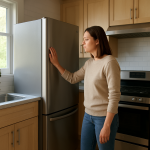
- If the noise starts when the compressor starts: suspect vibration transfer. Listen for a low hum that makes shelves or door bins buzz. Lightly press on the freezer door or cabinet side; if the sound changes, it is vibration coupling.
- If the noise happens while the compressor is running: check whether it tracks with airflow. Open the freezer door; if the sound drops quickly, the evaporator fan is involved (or the airflow path is vibrating).
- If the noise happens right after the compressor stops: a brief gurgle/hiss is normal refrigerant equalizing. A continuing rattle points to a loose panel, shelf, or fan shroud still vibrating as airflow winds down.
- If the noise occurs during defrost or shortly after: sizzling, popping, or light cracking is normal. A loud ticking or repeated tapping after defrost often means ice shifted and is now contacting the evaporator fan, transferring noise through the freezer wall.
- If the noise happens when the ice maker runs or fills: a short water-fill buzz or brief clatter is normal. A loud vibration that carries into the fridge section often comes from the fill tube or ice maker assembly vibrating against the freezer liner.
- If the noise matches when the evaporator fan is running (freezer side): a whirring, chirping, or scraping that changes with the freezer door opening strongly points to fan/ice contact or a loose fan mount.
- If the noise seems tied to the condenser fan (rear/bottom, if equipped): it can still sound like it is in the freezer because the cabinet acts like a speaker. Pull the unit forward slightly and listen at the back lower area; a blade hitting debris or a dry motor can transmit through the frame.
- If the noise is constant: look for something continuously vibrating or rubbing, like an evaporator fan blade contacting ice, a loose rear freezer panel, or the unit touching a wall/cabinetry.
- If the noise is intermittent: note the pattern. Fan-related rubbing often comes and goes as frost builds. Vibration-related buzzing often comes and goes with compressor cycles.
- If it is louder at night: normal household background noise drops, and cabinet vibration stands out. If it also gets louder in a quiet room with the doors closed, suspect resonance from shelves, door bins, or the freezer back panel.
What This Noise Usually Means
Most freezer-generated noises travel easily because the freezer houses an active airflow source (the evaporator fan) and rigid plastic panels that can resonate. When a fan blade lightly contacts ice, a wire, or a shifted shroud, the sound can seem to come from multiple places because the freezer liner and cabinet frame transmit it. Even normal motor hum can turn into an annoying buzz if the refrigerator is slightly out of level, touching the wall, or if a shelf/ice bin is loose and acting like a sounding board.
Most Common Causes
- Evaporator fan blade scraping ice: usually a light rhythmic ticking, chirp, or scrape that changes when you open the freezer door; often worse after defrost or after the door was left ajar.
- Loose evaporator fan shroud or rear freezer panel: buzzing, fluttering, or rattling that tracks with fan speed; pressing on the rear inside panel or removing/redistributing items may change the sound.
- Ice maker/fill tube vibrating against the freezer wall: brief loud buzz during water fill, or clacking during harvest that resonates through the door and cabinet.
- Items in the freezer contacting the back panel or fan cover: rattles that stop when you rearrange bins, pull packages away from the back wall, or remove the ice bin.
- Unit not level or cabinet touching a wall: low hum becomes a buzz; noise transfers into adjacent rooms; changes when you pull the refrigerator forward slightly.
- Condenser fan vibration transferring through the frame: can be misheard as freezer noise; usually a steady buzz/whirr heard more when standing behind the unit and worse with dust buildup.
- Frost buildup from a door seal issue: increasing fan noise over days to weeks, then suddenly loud scraping as ice contacts the fan; often paired with excess frost on the freezer back wall.
How to Check Safely
- Do a door effect test: with the freezer closed, listen for the noise. Open the freezer door. If the sound changes quickly, focus on the evaporator fan area and anything that can vibrate inside the freezer.
- Pinpoint transfer vs source: lightly press on the freezer door, then on the cabinet side panels (one area at a time). If the pitch changes, the noise is being amplified by a panel or bin rather than being created there.
- Check for contact points: make sure the refrigerator is not touching the wall, cabinet trim, or a water line. Pull it forward 1–2 inches and recheck the sound.
- Level the refrigerator: confirm it does not rock. Adjust the front leveling feet until it is stable and the doors self-close smoothly. Recheck for buzzing.
- Inspect freezer packing: pull items away from the rear freezer panel and side vents. Make sure no boxes, bags, or the ice bin are touching the fan cover area.
- Look for frost patterns: inspect the rear inside freezer wall/panel. Heavy frost or a snow-like layer suggests airflow restriction and possible fan/ice contact.
- Check the door gasket quickly: look for gaps, torn sections, or hardened areas. Close the door on a thin sheet of paper; it should drag evenly around the perimeter.
- Ice maker observation: if equipped, listen during a fill (usually a few seconds) and during harvest. If the noise only occurs then, focus on the ice maker and fill tube area, not the compressor.
- Rear/bottom airflow and dust check: unplug the refrigerator, then vacuum accessible dust from the rear lower area and kick plate vents (if present). Plug back in and listen again. If the noise is clearly from the back bottom, it may be condenser fan related but still transferring through the cabinet.
- Stop and call for service: if you hear metal-on-metal grinding that persists, repeated clicking with no running, smell overheated plastic, or see water leaking inside the freezer.
When This Is Normal vs A Problem
Usually normal:
- Soft humming that comes and goes with compressor cycles.
- Brief gurgling or hissing after the compressor stops.
- Occasional popping or crackling during/after defrost.
- Short buzz during ice maker water fill and brief clatter during ice dump.
Usually a problem:
- Scraping, ticking, or chirping that changes when the freezer door opens and keeps returning.
- A new loud buzz that makes shelves, door bins, or the cabinet side vibrate.
- Noise that steadily gets louder over days (often frost buildup leading to fan contact).
- Any noise paired with warming freezer temperatures, poor airflow, or heavy frost on the back wall.
- Repeated clicking or buzzing without the unit starting, or any burning/electrical smell.
When to Call a Technician
- Fan scraping persists after clearing packing and checking for visible frost: the evaporator fan may be damaged, misaligned, or the fan shroud may be broken.
- Heavy frost keeps returning and the noise comes back quickly: likely a defrost system or air leak issue causing recurrent ice buildup and noise transfer.
- Loud buzzing with warming temperatures: could indicate airflow failure (fan motor) or a control issue; needs proper testing.
- Repeated start attempts or clicking: compressor start components or electrical issues should be handled by a technician.
- Breaker trips, burning smell, or visible wire damage: unplug the unit and schedule service.
- You cannot access the noise source without removing panels: internal disassembly around fans and wiring is best left to service to avoid damage and misreassembly.
How to Prevent This Problem
- Keep freezer vents clear: avoid packing items tightly against the rear panel and side ducts where airflow can create vibration and frost.
- Maintain door seals: clean gaskets, keep them pliable, and correct door alignment so warm air is not feeding frost that later contacts the fan.
- Level and stabilize the cabinet: a stable, non-rocking refrigerator transfers less vibration into shelves and liner panels.
- Leave slight clearance around the cabinet: prevent the fridge from touching walls or cabinets that amplify freezer noise.
- Clean condenser area periodically: reduced fan strain and smoother operation means less vibration transmitted through the frame.
- Ice maker upkeep: ensure the ice bin seats correctly and nothing sits against the ice maker housing or fill tube area.
Related Refrigerator Noise Problems
- Freezer fan making a ticking noise that stops when the door opens
- Rattling from the back inside freezer wall after a defrost cycle
- Buzzing during ice maker water fill that echoes through the cabinet
- Grinding noise from freezer that comes and goes with airflow changes
- Vibration noise when the compressor runs but the sound seems inside the freezer
- Humming turned into a loud buzz after moving the refrigerator
- Freezer making noise and developing frost on the back panel
- Noise only at night from cabinet resonance and loose shelves/bins
- Condenser fan noise that sounds like it is coming from the freezer
- Clicking and buzzing followed by warm freezer temperatures
Conclusion
When a fridge noise seems to come from the freezer, the most common issue is a freezer component creating vibration that transfers through panels, shelves, and the cabinet frame. Start by using the freezer door test and checking for fan-related scraping, frost buildup, and loose internal parts. If the noise persists or cooling performance changes, schedule service to prevent fan damage and recurring ice contact.
Frequently Asked Questions
Why does the noise sound like it is in the freezer but I feel vibration on the fridge door?
The freezer often generates the vibration (evaporator fan or airflow flutter), and the cabinet frame carries it to the fresh-food door and shelves. A light press on the freezer door or cabinet side changing the sound is a strong clue that it is noise transfer, not a separate problem in the fridge compartment.
My freezer makes a scraping noise, but it stops when I open the door. What is that?
That pattern usually points to the evaporator fan area. Opening the door often changes or stops the fan, and it can also shift airflow. Most commonly the fan blade is contacting ice or a loose shroud, and the sound transfers through the freezer wall and shelving.
Is a buzzing noise during ice maker fill normal?
A brief buzz for a few seconds during fill can be normal. It becomes a problem when it is unusually loud, rattles the freezer liner, or happens repeatedly without making ice. That points to the fill tube or ice maker assembly vibrating against the wall or a valve issue that needs diagnosis.
What if the noise started right after I loaded the freezer with groceries?
First suspect contact and resonance. Packages or bins can touch the rear panel or vents, causing a buzz or rattle that seems like a mechanical failure. Pull items away from the back wall, reseat the ice bin, and recheck with the freezer door closed.
Can a dirty condenser make a freezer noise?
Yes. A restricted condenser area can increase fan and compressor vibration. Even though the source is at the back/bottom, the cabinet can transmit and make it seem like it is coming from the freezer. Cleaning accessible dust and ensuring airflow can reduce the transferred noise.
It’s quieter now, the way things get when the loudest part of a problem finally stops taking up all the space. The change isn’t flashy, but it lands—like exhaling after holding your breath longer than you meant to.
From here, it’s less about wrestling and more about living around the edges of what’s already been set right. Not every day will feel different, but the tug-of-war has loosened, and that matters more than it sounds.