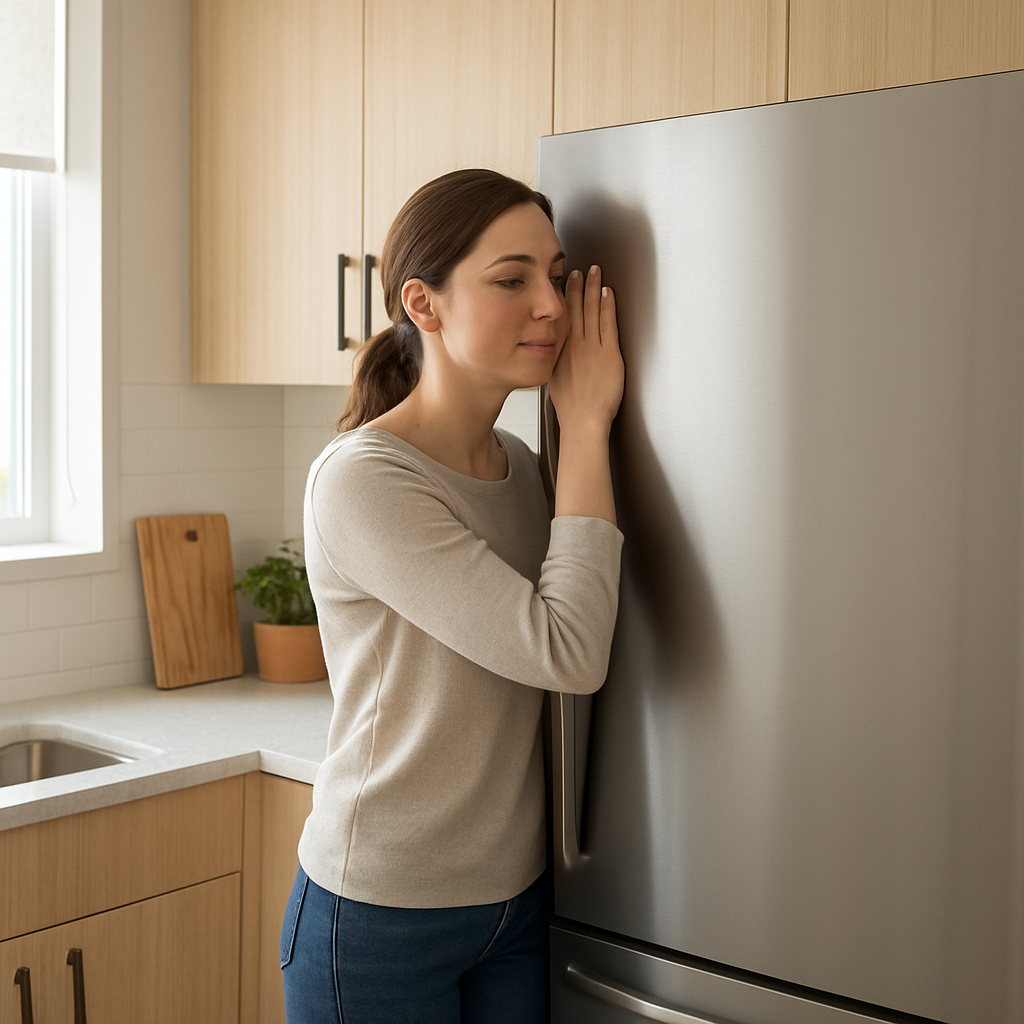
Fridge Loud But No Error Code? What Could Be Wrong
Quick Answer
If your fridge is suddenly loud but shows no error code, the most common hidden fault is a fan or airflow issue that the control board does not monitor, such as an evaporator fan hitting ice or a condenser fan rubbing. First action: pinpoint when the noise happens (compressor start/run/stop, defrost, or fan operation) and note whether the sound changes when you open the freezer door.
Identify the Noise First
Use this quick timing test to match the sound to a system the fridge typically will not flag with an error code.
- If the noise happens when the compressor starts: a hard buzz for 1–3 seconds followed by silence, then repeats every few minutes points to a start attempt problem. A single clunk with normal running right after is usually normal.
- If the noise happens while the compressor is running: a constant hum with a sudden new rattle or vibration usually means something is touching the cabinet, drain pan, or rear cover. A louder-than-normal steady buzz can be a fan motor or compressor vibration transferring into the frame.
- If the noise happens right after the compressor stops: a brief gurgle/hiss is normal refrigerant equalizing. A sharp click and immediate restart attempts are not normal.
- If the noise happens during defrost or shortly after: crackling/popping for a few minutes is normal. A loud squeal or grinding that starts after defrost often means the evaporator fan is hitting frost or ice buildup.
- If the noise happens when the ice maker runs or fills: a short water fill hiss is normal. A loud hammering, buzzing longer than 10 seconds, or repeated refill sounds can indicate a supply or valve issue that may not throw a code.
- If the noise matches the evaporator fan running (freezer side): open the freezer door. If the noise changes a lot (gets quieter or stops), suspect the evaporator fan circuit, fan blade rubbing ice, or an airflow restriction.
- If the noise matches the condenser fan running (rear/bottom, if equipped): listen near the bottom rear. A growl, scraping, or ticking often points to debris, a warped blade, or a failing fan motor.
- If the noise is constant: suspect contact vibration (unit touching wall/cabinet), a loose rear cover, drain pan vibration, or a fan running continuously due to dirty condenser or blocked vents.
- If the noise is intermittent: track the interval. Every 30–90 minutes often correlates to defrost or temperature recovery; random short bursts may be ice maker or fan cycling.
- If it is louder at night and quieter during the day: often normal perception plus a quieter home, but also check for increased run time from warmer kitchen air in the evening, dirty condenser, or a fan that gets louder as it warms up.
What This Noise Usually Means
No error code usually means the fridge still sees acceptable temperatures and sensor readings, even though a mechanical part is struggling. Many noise-causing faults live outside the error-code logic: fan blades brushing ice, fan bearings wearing, a condenser fan hitting a wire, a drain pan buzzing, or cabinet vibration from poor leveling or tight clearances.
These are hidden faults because the unit can still cool while making noise, so the control board has no reason to post an alarm. Your best diagnostic tool is timing: tie the noise to a cycle (fan, defrost, ice maker, compressor start/stop) and then confirm with simple listening and door-open tests.
Most Common Causes
- Evaporator fan blade hitting ice or frost: usually a scraping, ticking, or helicopter sound from the freezer that often changes when the freezer door opens. Common after a recent door-left-open event or humid loading.
- Evaporator fan motor bearings getting noisy: a higher-pitched whine or growl from the freezer area that builds over weeks. Cooling may still be normal and no code appears.
- Condenser fan rubbing debris or a wire: ticking, tapping, or intermittent scraping from the rear/bottom; may get worse as the fan speeds up. Often follows cleaning, moving the fridge, or pet hair buildup.
- Loose drain pan or rear access cover vibrating: a dull rattle that matches compressor run time. Usually stops if you gently press on the panel or pan area (do not touch moving parts).
- Fridge not level or touching a wall/cabinet: low-frequency vibration or buzzing that transfers into floors and cabinets; often worse at night. No code because cooling is fine.
- Ice maker noise that sounds like a “fault”: loud harvesting clunks, gear clicking, or repeated fill noises. Often no code unless the model specifically monitors ice maker position.
- Dirty condenser causing longer, louder operation: not a single “bad part” sound, but the fridge runs more and amplifies normal noises; typically no error code until temperatures are affected.
- Compressor start device beginning to fail: repeated buzz-click cycles with warming temperatures can still show no code early on, depending on model and how quickly temps drift.
How to Check Safely
These checks are low-risk and focus on isolating the hidden fault by timing and sound location.
- Step 1: Record when it happens. For one hour, note the exact time the noise starts and stops and what the fridge is doing (cooling, recently opened, ice dispensing, etc.). Patterns matter more than volume.
- Step 2: Freezer door test for evaporator fan clues. When the noise is active, open the freezer door. If the sound changes significantly, aim your diagnosis at the freezer fan area and possible frost/ice interference.
- Step 3: Listen at three points. Freezer interior (back wall), fresh food section (middle), and rear/bottom. The loudest point usually identifies the system: evaporator fan (freezer), air damper/fan area (middle), condenser fan/compressor (rear/bottom).
- Step 4: Check clearance and contact vibration. Confirm the fridge is not touching the wall, cabinets, or water line. Even light contact can turn normal operating hum into a loud buzz.
- Step 5: Level the unit. Ensure it is stable with no rocking. Slightly higher front feet help doors seal and can reduce compressor/frame vibration transfer.
- Step 6: Inspect for loose items and shelves. Inside both sections, remove bottles from door bins and check for rattling shelves, drawers, and covers that resonate during compressor run.
- Step 7: Check the condenser area airflow. If accessible, remove the front toe grille and vacuum visible dust. Ensure the rear/bottom vents are not blocked. Do not bend coils or reach near a moving fan.
- Step 8: Ice maker isolation check (if applicable). If the noise lines up with ice production, temporarily turn off the ice maker using the built-in switch/setting and see if the noise disappears over the next 12–24 hours.
- Step 9: Do a simple door seal inspection. Look for gaps, torn gasket sections, or heavy condensation. Poor sealing drives frost and can cause evaporator fan scraping without triggering a code immediately.
- Stop and call a technician if you hear repeated buzz-click start attempts, metal-on-metal grinding that persists, or you smell hot plastic/electrical odor.
When This Is Normal vs A Problem
Usually normal:
- Low hum while running, especially after door openings
- Brief gurgle/hiss after the compressor stops
- Crackling/popping during or shortly after defrost for a few minutes
- Short water fill hiss for the ice maker
Usually a problem (even with no error code):
- New scraping, ticking, or whining that clearly comes from the freezer back wall (often fan/ice contact)
- Rattling that stops when you pull the fridge slightly forward or press lightly on a rear panel area
- Repeated clicking every few minutes with little or no sustained compressor run
- Loud buzzing with warming temperatures or poor cooling performance
- Noise that abruptly became much louder and stays that way for more than 24 hours
- Any grinding, metal-on-metal sound, burning smell, water leak, or breaker trip
When to Call a Technician
- Repeated start attempts: buzz for a few seconds, click, then repeats. This often involves the start relay/overload, compressor, or power issues and should not be pushed.
- Fan scraping that does not clear: if freezer fan noise persists beyond a day or two, especially with frost signs or reduced airflow, it may require internal access and defrost system troubleshooting.
- Loud buzzing plus warming temps: hidden faults can become cooling failures quickly; a technician can verify airflow, current draw, and component operation safely.
- Electrical odor, sparking sounds, or hot plastic smell: shut the unit off and get service.
- Water leaking with noise changes: can indicate drain/ice maker issues that may damage floors or fan areas.
- Any sealed-system suspicion: unusually loud compressor with poor cooling, or constant running with little temperature pull-down, needs professional diagnosis.
How to Prevent This Problem
- Keep clearances: leave space behind and above per manufacturer guidance so vibration and airflow issues do not amplify.
- Clean condenser intake areas: vacuum the toe grille and accessible dust regularly, especially with pets, to prevent long run times that make normal sounds seem “loud.”
- Do not block freezer vents: overpacked loads restrict airflow, increasing frost risk and fan noise without triggering a code.
- Maintain door seals: clean gaskets and confirm doors close fully to reduce frost buildup that leads to fan scraping.
- Level and stabilize: prevent cabinet resonance and drain pan vibration.
- Ice maker upkeep: replace clogged water filters on schedule and address slow fills or hammering early to avoid repeated valve cycling noise.
- Use stable settings: extreme cold settings can extend run time and increase frost likelihood without any error displayed.
Related Refrigerator Noise Problems
- Freezer makes a ticking sound that stops when the door opens
- Fridge buzzes for 3 seconds then clicks off repeatedly
- Rattling noise behind fridge only when it is running
- Grinding noise after a defrost cycle
- Humming louder than usual but temperatures are normal
- Condenser fan making a scraping sound near the bottom rear
- Ice maker clunking loudly during harvest
- Water valve buzzing during ice maker fill
- Vibration noise that stops when the fridge is pulled away from the wall
- Whining noise from freezer that slowly gets worse over weeks
Conclusion
If your fridge is loud but shows no error code, treat it as a hidden mechanical or airflow fault first, not an electronic failure. Identify when the noise occurs, use the freezer door test to separate evaporator fan issues from rear/bottom fan and vibration problems, then correct clearances, leveling, and dust buildup. If you hear repeated start attempts, persistent fan scraping, or cooling performance drops, schedule service.
Frequently Asked Questions
Why is my refrigerator so loud all of a sudden but still cooling fine?
Most sudden loud-no-code complaints are physical: a fan blade lightly hitting frost, a condenser fan rubbing debris, or a panel/drain pan vibrating during compressor operation. Cooling can remain normal, so the control board has nothing to report. Use timing and the freezer door test to narrow it down.
If there is no error code, does that mean nothing is wrong?
No. Many noise faults are not monitored by sensors. Error codes usually relate to temperature sensors, communication, or specific monitored motors. A noisy fan motor, vibration contact, or minor frost interference can be real problems without any code.
The noise changes when I open the freezer door. What does that point to?
That strongly implicates the evaporator fan area. Opening the door often changes fan operation and airflow, which changes the sound if the fan is scraping ice, the blade is wobbling, or the motor bearings are noisy.
My fridge makes a buzz then a click and repeats. Why no code?
Many models do not post a code for a compressor that fails to start, especially early on. The buzz-click pattern suggests a start attempt followed by the overload protector opening. If it repeats and temperatures start rising, stop cycling it and call for service.
Can a dirty condenser really make the fridge louder without any error?
Yes. Restricted airflow forces longer run times and higher fan/compressor workload, which makes normal operating sounds more noticeable and can add vibration. It often will not trigger a code until temperatures drift out of range.
It’s oddly calming to watch the noise fade and see the shape of the problem stay put. The path forward doesn’t feel like a trick anymore—just a plain decision that lands where it should.
From here, it’s more about steady follow-through than big drama. The rest of the story is quiet, almost mundane, and that’s exactly the point.