
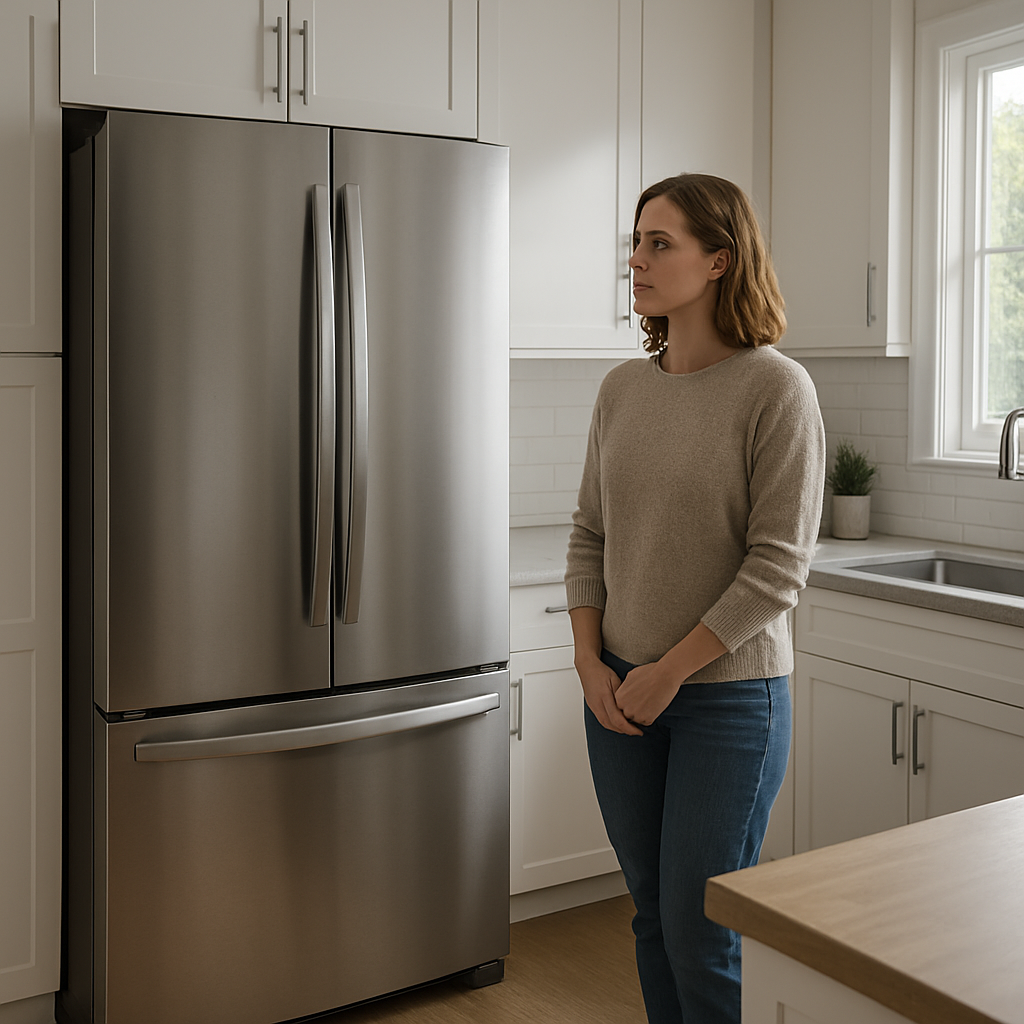
Fridge Humming Noise? Normal Sound Or Hidden Problem
Quick Answer
A steady low hum is usually normal compressor operation, especially if cooling is good and the sound cycles on and off. It becomes a likely fault when the hum gets noticeably louder, turns into a harsh buzz, runs constantly, or comes with warm temperatures. First action: listen for when the hum happens (start, run, stop) and check that the fridge has clearance, is level, and the condenser area is clean.
Identify the Noise First
Use this quick timing and behavior guide to sort normal hum from a developing problem.
- If the hum starts right when the compressor starts: a brief low hum that settles into a steady sound is typically normal. If it hums loudly for a few seconds then stops and repeats every few minutes, suspect a start problem.
- If the hum is steady while the compressor is running: usually normal. If it has a harsh vibration you can feel in the cabinet or floor, check leveling, contact with the wall, and loose panels.
- If the hum is right after the compressor stops: a short hum/change in tone for a few seconds can be normal refrigerant equalizing. A long hum after shutdown is not typical and points to a fan or vibration issue.
- If the hum happens during defrost or shortly after: some models hum differently as loads shift. If the hum is paired with sizzling/popping and then stops, that’s often normal defrost behavior. If the hum is loud and constant during defrost windows, look for fan interference when restarting.
- If the hum happens when the ice maker runs or fills: a brief hum and water flow sound is normal. A loud hum with no ice production or repeated short cycles can indicate a stuck ice maker motor or a valve issue.
- If the hum happens when the evaporator fan is running (freezer side): open the freezer door and press the door switch (if safe) to see if the hum changes. If the hum changes pitch or stops, you may be hearing the evaporator fan or airflow restriction rather than the compressor.
- If the hum happens when the condenser fan is running (rear/bottom, if equipped): if the hum is loudest at the back/bottom and changes when the unit is pulled slightly forward, suspect fan vibration, dust buildup, or the unit touching something.
- If the hum is constant: constant humming is more likely a fault or a condition forcing nonstop cooling (dirty condenser, poor airflow, bad door seal, very warm room, heavy loading). Confirm temperatures and run time.
- If the hum is intermittent: cycling on and off every 10–45 minutes is often normal. Rapid repeats (every 1–5 minutes) are not.
- If it’s louder at night: often normal perception due to a quieter house. If it’s only loud at night and the fridge sits on a flexible floor, vibration transfer is likely.
What This Noise Usually Means
A refrigerator’s main hum most often comes from the compressor and, on many models, the condenser fan running at the same time. A smooth, steady hum that comes and goes with cooling demand is expected. The line between normal and fault is usually not the hum itself, but what changes around it: loudness increases, a harsher buzz, unusual vibration, very long run times, short-cycling, or reduced cooling.
When humming becomes a problem, it’s commonly due to one of three things: vibration transfer (cabinet/panels/floor amplifying a normal sound), airflow restrictions forcing longer runs (dirty condenser, blocked vents, poor clearance), or a motor/load issue (fan blade hitting ice/debris, failing fan motor, or compressor struggling to start).
Most Common Causes
- Normal compressor hum (no fault): steady low hum only while cooling; temperatures are normal; the sound has been consistent over time.
- Fridge not level or touching a wall/cabinet: hum feels like a vibration; noise changes when you pull the unit forward a few inches or press on the cabinet sides.
- Dirty condenser coils or restricted rear/bottom airflow: hum seems more frequent or longer than before; cabinet feels warmer on the sides; cooling may still be OK but run time increases.
- Condenser fan vibration or failing fan motor (models with a fan by the compressor): hum is loudest at the rear/bottom; may wobble in tone; sometimes accompanied by a light rattling.
- Evaporator fan noise mistaken for compressor hum: hum is louder in the freezer area; changes when the freezer door is opened/closed or when airflow is blocked by overpacking.
- Drain pan or rear access panel vibrating: hum resonates; a light tap on the panel or pan changes the sound; often worse on certain floors.
- Compressor start issue (relay/capacitor): loud hum/buzz for a few seconds, then it stops; repeats every few minutes; cooling performance drops.
- Sealed-system strain or failing compressor: louder hum than normal plus poor cooling, hot compressor area, or frequent short-cycling; not a DIY fix.
How to Check Safely
These checks focus on separating normal operating hum from a fault without opening sealed parts or working on live wiring.
- Step 1: Confirm cooling first: verify the freezer is freezing and the fridge section is cooling normally. If temperatures are rising, treat the hum as a potential fault and move to the later steps.
- Step 2: Time the hum: note whether it happens at start, during steady run, or in short repeated attempts. Repeated hum-stop-hum every few minutes is not normal.
- Step 3: Check for vibration transfer: gently pull the refrigerator forward 1–2 inches so it is not touching the wall or cabinets. If the hum drops immediately, the sound was being amplified by contact.
- Step 4: Level the unit: confirm the fridge doesn’t rock. Adjust the front feet so the cabinet is stable. A rocking cabinet can turn a normal compressor hum into a loud buzz.
- Step 5: Inspect obvious loose items: make sure bins, glass shelves, and items on top are not vibrating. A normal hum can make loose parts resonate.
- Step 6: Check the rear/bottom airflow: ensure the grille and rear area are not blocked. Poor airflow increases run time and makes you hear the hum more often.
- Step 7: Clean accessible condenser areas: unplug the refrigerator before cleaning. Vacuum dust from the front grille area and any accessible coils. Restore power and listen for a change over the next few hours.
- Step 8: Door seal quick check: close a sheet of paper in the door and pull. If it slides out easily in multiple spots, warm air leaks can drive long run times and more humming.
- Step 9: Ice maker correlation (if equipped): if the hum happens at the same time as ice maker cycles or water fill, listen for water flow. A brief hum during fill is normal; a long hum with no water sound is a clue to investigate further.
- Stop and call a technician if the hum is paired with repeated clicking, a hot electrical smell, breaker trips, or the fridge is warming.
When This Is Normal vs A Problem
Typically normal when:
- The hum is low and steady, and only occurs during cooling cycles.
- It has been consistent since installation or for months with no change in performance.
- Cooling is stable and the hum cycles off for long periods.
- The noise reduces when the room is louder (daytime) but is otherwise unchanged.
Likely a problem when:
- The hum is new, noticeably louder, or has shifted to a harsher buzz or vibration.
- The hum happens in short repeated bursts (every 1–5 minutes), especially with clicking.
- The hum becomes constant for a day or more and cooling performance changes.
- You hear grinding, scraping, or metal-on-metal along with the hum.
- There is water leaking, a burning/electrical smell, or the compressor area is excessively hot to the touch on the exterior surfaces (do not touch exposed components).
When to Call a Technician
- Repeated start attempts: loud hum/buzz for a few seconds followed by a click, then it repeats. This often points to a start relay/capacitor issue or compressor trouble.
- Humming with warming temperatures: freezer not freezing or fridge section warming while the unit hums a lot.
- Persistent fan scraping: humming that turns into scraping or grinding that doesn’t stop after rearranging freezer contents and verifying nothing is hitting the fan area.
- Electrical warning signs: burning smell, scorch marks, or breaker trips.
- Suspected sealed-system/compressor issues: very loud hum plus poor cooling, or the unit runs nearly nonstop and cannot maintain temperature despite clean coils and good airflow.
How to Prevent This Problem
- Maintain clearance: keep the refrigerator from touching the wall and allow proper rear/bottom airflow so the compressor doesn’t run excessively.
- Keep it level and stable: prevent cabinet rocking that turns normal compressor hum into a loud vibration.
- Clean condenser areas periodically: dust buildup increases run time and makes normal humming seem constant.
- Use reasonable temperature settings: overly cold settings can increase run time and noise exposure without improving food safety.
- Avoid blocking freezer vents: overpacked items can restrict airflow, increasing run time and changing fan sound that gets mistaken for compressor hum.
- Maintain door seals: clean gaskets and make sure doors close fully to avoid long compressor runs.
- Ice maker care: keep the ice bin seated correctly and clear clumps that can stall the mechanism and create motor hum.
Related Refrigerator Noise Problems
- Fridge buzzing for a few seconds then clicking off repeatedly
- Loud vibrating hum that stops when you pull the fridge away from the wall
- Freezer fan humming that changes when the door opens
- Condenser fan rattling or humming from the rear/bottom area
- Humming with no cooling or warming temperatures
- Humming followed by a brief hiss after shutdown
- Humming that turns into intermittent grinding from the freezer
- Ice maker motor hum with no ice production
- Drain pan vibrating or buzzing when the compressor runs
- Fridge running constantly after a power outage or door left open
Conclusion
A refrigerator hum is often just normal compressor operation, but changes in loudness, run pattern, or cooling performance are the clues that separate normal from fault. Identify when the hum occurs, eliminate vibration and airflow issues first, and watch for short-cycling or warming temperatures. If the unit is repeatedly trying to start, making harsh buzzing, or not cooling, schedule service.
Frequently Asked Questions
Why is my fridge humming but the freezer is warm?
If the hum is frequent or constant and temperatures are rising, treat it as abnormal. The compressor may be struggling to start, airflow may be restricted, or there may be a fan or sealed-system issue. Check condenser cleanliness, clearance, and whether the hum is paired with repeated clicking. If cooling doesn’t recover quickly, call a technician.
My fridge hum got louder after I moved it. What should I check?
First check leveling and cabinet contact. A fridge that’s slightly twisted or touching the wall can amplify normal compressor noise. Pull it forward slightly, stabilize the feet, and confirm the rear/bottom panel area isn’t vibrating against the floor or wall.
Is it normal for the humming to be louder at night?
Often yes, because the home is quieter and the compressor sound is easier to notice. It’s more likely a concern if the hum is also louder in absolute terms, has changed recently, or is accompanied by longer run times or temperature problems.
What does it mean if I hear a hum for 5–10 seconds and then a click, over and over?
That pattern usually indicates the compressor is attempting to start and the overload is shutting it down. Common causes include a failing start relay/capacitor or a failing compressor. Avoid repeated plugging/unplugging and schedule service.
Can dirty condenser coils make a humming noise?
Dirty coils usually don’t create a new hum by themselves, but they make the compressor run longer and more often, which makes the normal hum seem constant. Cleaning accessible condenser areas and improving airflow is a practical first step when humming becomes more frequent.
There’s a peculiar comfort in finally seeing it laid out plainly—like someone took a messy knot of thoughts and untied it without making a big performance. The whole thing feels less dramatic now, more like everyday reality.
What stays with you isn’t the noise, but the ease of moving forward. And somehow, that quiet shift is its own reward.