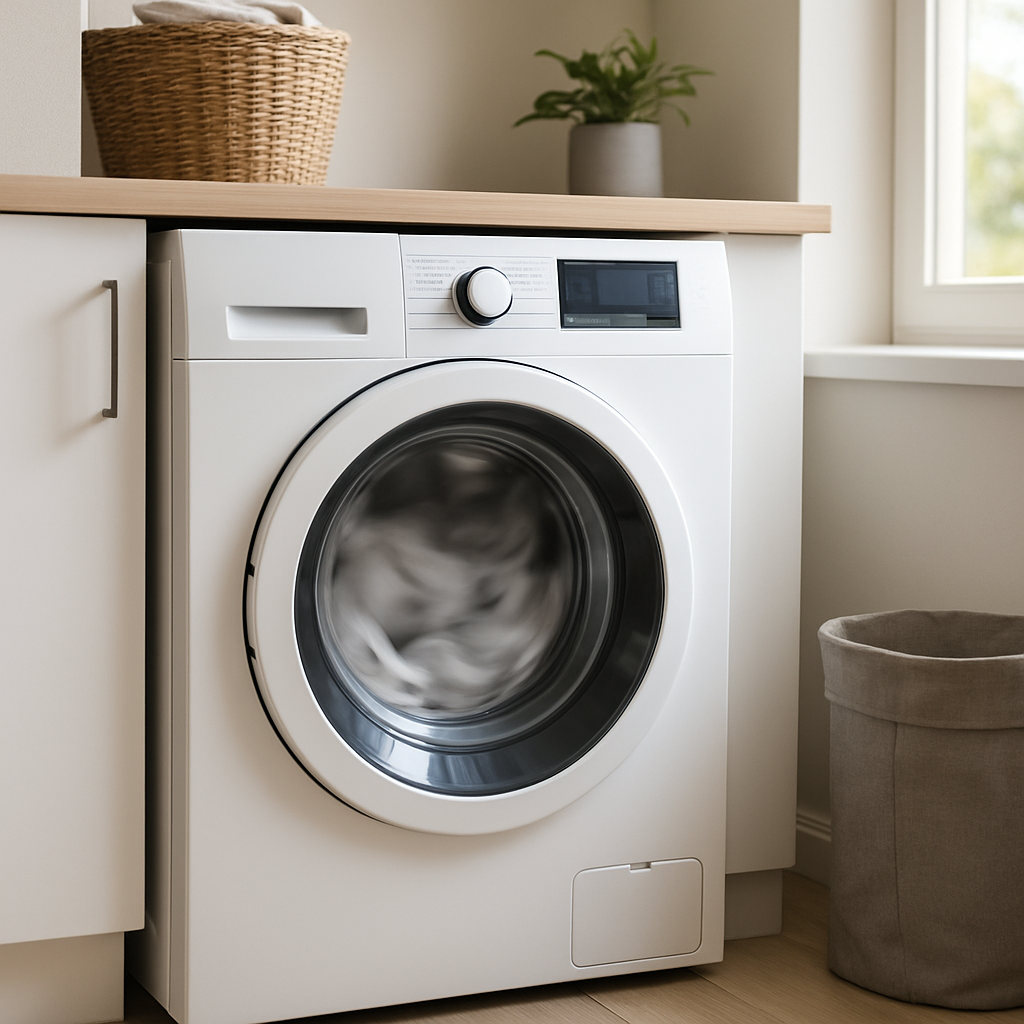
Washing Machine Loud at High Spin Speed? Causes and Fixes
Quick Answer
If your washer is only loud at high spin speed, the most common reason is high rpm stress exposing an out-of-balance load, weak suspension, or a worn spin bearing. First action: stop the cycle, redistribute the load, then run a Spin/Drain with the drum empty. If it’s still loud empty, you’re likely dealing with suspension, bearing, or a loose pulley/belt issue that needs closer inspection.
Identify the Noise First
High rpm noise diagnosis starts with timing. Use this guide to match the sound to the moment it appears.
During spin (gets louder as rpm ramps up): imbalance, suspension/shocks, tub movement, bearing, pulley/belt, rotor/stator contact.
During drain right before or after spin starts: drain pump debris or a restricted drain causing cavitation and vibration that worsens when spin begins.
During fill or agitation but not spin: not a high rpm stress problem; look at inlet valves, agitator/drive coupling, or recirculation pump depending on model.
Constant noise even when the drum is not moving: usually not spin-related; think drain pump stuck running, control relay, or water valve hum.
Intermittent banging only at top speed: load shift, cabinet contact, or suspension allowing the tub to swing and strike at peak rpm.
Key check: if the sound starts mild at low spin then becomes harsh at top speed, the machine is reacting to forces that rise sharply with rpm.
What This Noise Usually Means
At high spin speed the washer experiences its highest mechanical stress. Any small imbalance in the load or slight looseness in support parts becomes a much larger force as rpm increases. That force makes the tub assembly move more, loads the bearings harder, and can cause parts to touch that normally have clearance. A washer that sounds fine in wash/agitate but gets loud only at high rpm is typically not failing randomly; it’s revealing a weakness that only shows up when centrifugal forces peak.
Most Common Causes
Unbalanced or single heavy item load: towels, bath mats, hoodies, or one blanket can clump and create a heavy spot that only shows at high rpm.
Washer not level or feet not locked: the machine can’t control tub movement at high rpm if the cabinet rocks or shifts.
Worn suspension rods/shocks or weak counterbalance: the tub swings farther at high speed, leading to banging, thumping, or cabinet contact.
Worn drum bearings (often a growl/roar that rises with rpm): high rpm loads the bearing; the noise is usually smooth but loud, not a single bang.
Loose drive pulley, belt, or motor mounting: can create a rhythmic knocking or slapping that appears as the motor works hardest at spin-up.
Foreign object between inner drum and tub: a bra wire or coin can tick at low speed but become a harsher scrape at high rpm as the drum flexes slightly.
Top-load: worn tub hub or drive block: can cause clunking or slipping noises under the highest spin torque.
Front-load: rotor/stator contact or loose rotor bolt (direct drive): can make a heavy scraping or knocking that intensifies at speed.
How to Check Safely
These checks focus on high rpm stress without requiring special tools or deep disassembly.
Step 1: Confirm it is truly spin-related
Run a rinse-and-spin or drain-and-spin cycle with the drum empty.
If the noise is gone empty, the issue is usually load balance, leveling, or marginal suspension.
If it’s still loud empty, suspect suspension, bearings, or drive components.
Step 2: Check for a simple load imbalance pattern
Rewash the same items but add a few similar-weight items to help distribute mass.
Avoid one heavy item by itself. If that fixes it, the machine is responding normally to high rpm force from a bad load distribution.
Step 3: Verify leveling and stability
With the machine empty, press down on each front corner. The cabinet should not rock.
Adjust feet until stable, then tighten the lock nuts (if present). A washer that rocks will amplify high-speed vibration.
Step 4: Inspect for cabinet contact and shipping hardware
Look for fresh scuff marks under the lid/top panel edge (top-load) or around the front panel and sides (front-load).
On a front-load unit, confirm shipping bolts have been removed if it was recently installed. High rpm will make the drum slam against restraints.
Step 5: Quick suspension check
Top-load: open the lid and push the basket to one side, then release. It should return smoothly without excessive bouncing.
Front-load: with power off, push down on the drum through the door opening. It should rebound once or twice, not continue bouncing.
Step 6: Listen for bearing-type vs impact-type noise
Rotate the drum by hand. A rough, gravelly feel or rumbling sound suggests bearing wear.
Impact noises (bang/thud) are more consistent with tub movement, suspension, or the basket striking the cabinet.
Step 7: Check the drain pump path if the noise starts at drain
Unplug the washer before accessing any filter or pump cleanout.
Clean the pump filter (front-load and many modern units) and check for coins, hairpins, or debris.
A pump that is partially blocked can vibrate and get louder as the machine transitions into high spin.
When This Is Normal vs A Problem
Usually normal:
Brief increase in sound as the washer ramps up to high speed, then it smooths out.
One noisy cycle tied to a single bulky item or an uneven load.
Mild vibration without the machine walking or striking anything.
Usually a problem:
Noise persists during high spin even with the drum empty.
Repeated banging that sounds like the tub is hitting the cabinet.
A steady roar/growl that rises with speed (common bearing symptom).
The washer walks, shifts position, or the door/lid visibly shakes at top speed.
New noise after installation or moving (often leveling, shipping bolts, or loosened hardware).
When to Call a Technician
Loud at high spin with an empty drum: points to suspension, bearings, or drive components that require disassembly and proper torqueing.
Growling/roaring that steadily increases with rpm: likely bearing or tub support wear; continuing to run can cause further damage.
Metal scraping, burning smell, or visible belt dust: possible pulley/belt misalignment or rotor contact needs prompt inspection.
Severe banging or the machine moves significantly: high rpm forces can damage hoses, wiring, and cabinet mounts if the tub is striking hard.
Water leak plus high-spin noise: can indicate tub seal/bearing area issues (front-load particularly) and should be evaluated professionally.
How to Prevent This Problem
Load for balance: mix small and large items; avoid washing one heavy item alone.
Do not overload: overstuffing prevents distribution and increases high rpm stress on suspension.
Keep the washer stable: recheck leveling after moving or if the machine starts walking.
Use the right spin setting: for bulky items, lower spin reduces peak forces and strain on shocks and bearings.
Maintain the drain path: clean the pump filter periodically so drain-to-spin transitions don’t add extra vibration.
Related Washing Machine Noise Problems
Washer bangs only with blankets or comforters: load distribution problem that becomes violent at high rpm.
Washer sounds like a jet engine during spin: classic description of worn drum bearings amplified at top speed.
Washer thumps once per drum revolution at high spin: loose pulley, belt defect, or a shifted counterweight.
Grinding noise when draining before spin: debris in drain pump that gets noticed during the drain-to-spin transition.
Washer walks across the floor during spin: leveling/foot grip issue or weakened suspension allowing excessive tub travel.
Conclusion
A washer that gets loud only at high spin is usually reacting to high rpm stress from imbalance, weak suspension, or a bearing/drive issue that only shows under peak load. Start by running an empty spin test and checking leveling. If the noise remains with no laundry, plan for a suspension or bearing/drive inspection next.
Frequently Asked Questions
Why is my washing machine quiet at low spin but loud at top speed?
Forces rise sharply as rpm increases, so small imbalances or looseness that are harmless at low speed can become loud at high speed. If it’s quiet empty but loud with certain loads, focus on load balance and leveling. If it’s loud even empty, suspect suspension wear, bearings, or a loose drive component.
How can I tell if it’s an unbalanced load or bad bearings?
Unbalanced loads typically cause banging or thumping and may come and go depending on what you wash. Bad bearings are more of a steady roar or growl that rises smoothly with speed and usually happens even with an empty drum. Hand-spinning the drum with power off often feels rough if bearings are worn.
My washer is loud only when it transitions from drain into spin. What should I check?
Check the drain pump filter and pump inlet for coins, pins, or debris. A partially blocked pump can be noisy during draining, and the vibration can carry into spin-up. If the pump is clear and the noise peaks only at higher rpm, shift attention back to suspension, leveling, and bearings.
Is it safe to keep using the washer if it bangs at high spin?
Occasional mild thumping from a tricky load is usually manageable if the washer stays in place and the noise stops after redistributing the items. Repeated hard banging, cabinet strikes, or walking indicates excessive tub travel under high rpm stress and should be addressed before more use.
Can a washer be too level and still be loud at high spin?
Yes. A perfectly level cabinet won’t stop noise caused by worn suspension, a failing bearing, a loose pulley/rotor, or an internal obstruction. Leveling is a key first check because it’s common and easy, but an empty spin test is what separates load/level issues from mechanical problems.
There’s relief in how ordinary the fix feels once the shouting stops. The stakes don’t need to loom anymore for the day to move forward.
What’s left is quieter: less second-guessing, fewer stop-and-start moments, and the small satisfaction of things finally lining up. Nothing dramatic—just a better kind of normal.