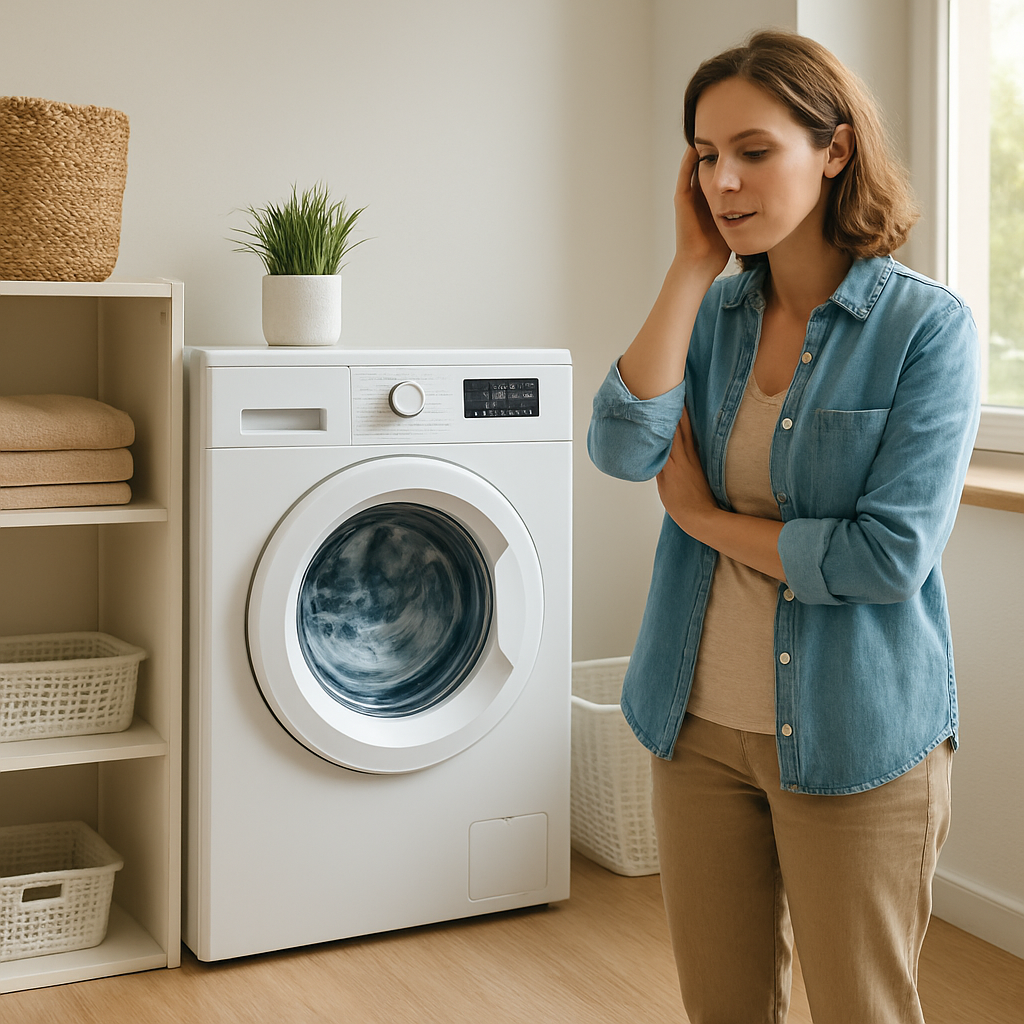
Washing Machine Loud but Still Working? Should You Be Concerned?
Quick Answer
If your washing machine is loud but still completes the cycle, the most likely causes are an unbalanced load, a loose item (like a coin) in the drum area, or early wear in suspension or bearings. First action: stop the cycle, redistribute the load, and run a short spin with the drum empty. If the loud noise continues empty or gets worse, treat it as a developing fault and investigate.
Identify the Noise First
Fault severity depends more on when the noise happens than how loud it feels. Use this quick guide to place your situation.
Loud during spin: banging, thumping, or a fast rumble that rises with speed
Loud during drain: buzzing, grinding, or rattling for 10 to 60 seconds as water pumps out
Loud during fill: hammering in the plumbing, harsh vibration, or high-pitched squeal as water starts
Constant noise: a steady scrape, hum, or rumble through wash, drain, and spin
Intermittent noise: a click, tick, or brief rattle that comes and goes (often only when the drum changes direction)
Now match the behavior to likely severity:
Only loud with heavy loads or certain items: usually low concern
Loud even with an empty drum: higher concern
Noise gets worse week to week: higher concern
Noise plus burning smell, leaking, or tripping breakers: stop using and treat as urgent
What This Noise Usually Means
A washer that is loud but still working is often telling you one of two things: either the machine is being forced to operate outside its normal balance and vibration range, or a moving component has started to wear but has not failed yet. The key for fault severity assessment is whether the noise is load-dependent (often manageable) or speed/empty-dependent (often progressive). Spin-related noises are the most important because that is when mechanical stress is highest.
Most Common Causes
Unbalanced load or oversized items: the tub swings and hits its limits during spin, creating loud thumps
Washer not level or feet not firmly planted: vibration increases and sounds like the machine is walking
Foreign object between inner drum and outer tub: coins, bra wires, screws causing scraping or rhythmic ticking
Loose items in the pump or drain filter: rattling or grinding during draining
Worn shock absorbers (front-load) or suspension rods (top-load): increased tub movement, louder banging on spin
Worn drum bearings: deep rumble that grows with spin speed and continues even with an empty drum
Loose pulley, worn belt, or motor coupling issue (model-dependent): slapping, squeal, or rhythmic knocking during agitation/spin
Water inlet valve noise or plumbing water hammer: banging at fill start/stop, often more a plumbing issue than a washer failure
How to Check Safely
These checks are designed to help you judge severity without disassembling the machine.
Step 1: Run an empty spin test. With the drum empty, run a spin cycle. If the noise nearly disappears, suspect load balance, leveling, or an item moving around in clothing. If it stays loud, suspect a mechanical fault.
Step 2: Confirm the washer is stable. With the machine off, press down on opposite corners. It should feel solid, not rock. Adjust the feet until it sits flat and stable.
Step 3: Listen at the right time. Note if the noise is only during drain, only during high-speed spin, or present all the time. Timing is one of the best severity indicators.
Step 4: Check for obvious drum play (front-load and many top-load). Open the door/lid and gently lift the inner drum from the front edge. A small amount of movement can be normal. Clunking movement, roughness, or noticeable sag suggests wear that tends to worsen.
Step 5: Rotate the drum by hand. Turn it slowly. A smooth, quiet rotation points away from bearings. Grinding, roughness, or scraping suggests an object or worn parts.
Step 6: Check the drain filter area if accessible. Unplug the washer first. Use towels and a shallow tray. Open the filter access, drain residual water (if your model allows), and check for coins, pins, or debris. If the noise was only during draining, this is a high-value check.
Step 7: Inspect for secondary warning signs. Look for water leaking, rust streaks under the machine, or black belt dust near the base (if visible). These push the issue toward repair rather than monitor.
When This Is Normal vs A Problem
Usually normal or low concern (monitor after correcting):
A few thumps during spin that stop after load redistribution or if you reduce bulky items
A brief pump buzz at the start of drain followed by normal draining
Water rushing or a short valve hum during fill without violent banging
Occasional clicking from control relays (short, consistent clicks, not grinding)
Likely a developing problem (plan repair soon):
Rumbling that increases with spin speed and still happens with an empty drum
Repeated heavy banging even after leveling and load adjustment
Scraping or metallic ticking that repeats every drum rotation
Drain grinding or rattling that returns quickly after filter cleaning (pump wear or remaining debris)
Stop using and treat as urgent:
Burning smell, smoke, or repeated breaker trips
Water leaking during operation especially paired with loud bearing-like rumble
The drum jams or will not turn smoothly by hand
Very loud metal-on-metal noise that begins suddenly and persists
When to Call a Technician
Call soon if the washer is loud on an empty spin. This is a strong indicator of bearings, suspension, or drive components rather than load issues.
Call if you confirm drum roughness or wobble. Bearing and spider/support failures can escalate and turn a manageable repair into major damage.
Call if drain noise persists after clearing the filter. Pump replacement is straightforward for a pro and prevents repeat no-drain problems.
Call immediately if there is leaking, electrical smell, or the machine moves violently. Continued use risks property damage more than appliance damage.
Consider technician vs replacement based on age and symptom. Loud bearing-related rumble in an older machine often means a larger repair; get an estimate before continuing to run it.
How to Prevent This Problem
Load for balance, not just weight. Mix sizes and avoid washing single heavy items alone; pair with towels to stabilize.
Keep the machine level. Re-check feet after moving the washer or after months of vibration.
Empty pockets every time. Coins and small hardware are common causes of scraping and pump noise.
Clean the drain filter periodically. Especially if you wash pet bedding, rugs, or items that shed.
Do not overload. Overloading accelerates suspension wear and makes normal spin forces turn into banging.
Use the right cycle and spin speed. High spin on bulky loads increases vibration and stress.
Related Washing Machine Noise Problems
Washing machine sounds like a jet engine during spin: often bearing rumble versus normal high-speed airflow noise
Washer banging during spin only with blankets: imbalance and suspension limits rather than a constant mechanical fault
Grinding noise when draining: pump debris versus a failing pump impeller
Scraping sound once per drum rotation: foreign object caught between drum and tub versus warped component
Squealing during spin or agitation: belt or pulley slip (model-dependent) versus normal motor ramp sound
Conclusion
A washing machine can be loud and still finish cycles, but the severity depends on whether the noise is load-related or happens even when empty. Start with an empty spin test and a stability check. If the noise persists empty, becomes a rumble that rises with speed, or shows scraping/rough drum movement, reduce use and schedule service before secondary damage or leaks develop.
Frequently Asked Questions
My washer is loud only on the final spin. Is it safe to keep using it?
If it is only loud with certain loads and improves after redistributing or reducing bulky items, it is usually safe to use while you correct loading habits and leveling. If it is loud on an empty final spin, or the sound is a deep rumble that rises with speed, treat it as a developing mechanical issue and plan a repair.
How can I tell the difference between an unbalanced load and bad bearings?
Unbalanced load noise is typically banging or thumping that changes as the load shifts, and it often disappears with an empty drum. Bearing noise is more of a steady rumble or roar that increases with spin speed and remains even during an empty spin. Roughness when turning the drum by hand also points toward bearings or a related support issue.
The washer makes a rattling/grinding noise only when draining. What should I do first?
Unplug the washer and check the drain filter (if your model has one) for coins, pins, and debris. If the noise stops afterward, it was likely a blockage. If the noise continues and the washer drains slowly or inconsistently, the pump may be worn or debris may still be in the pump housing, and a technician visit is reasonable.
Is it normal for a washer to vibrate and be loud on tile or laminate floors?
Hard floors can amplify vibration noise, but the washer should not rock or walk. If it is stable and level, you may still hear more sound through the floor. If it moves, thumps aggressively, or gets louder over time, that is not normal and suggests a balance/level issue or worn suspension.
Should I stop using the washer if it suddenly gets much louder but still works?
Yes, pause and assess. Sudden loudness can indicate a foreign object, a loosened pulley/belt component, or a pump issue. Do an empty spin test and a hand-rotation check. If you hear metal-on-metal scraping, smell burning, see leaks, or the drum does not turn smoothly, stop using it and arrange service.
After all the noise, it’s almost a relief when the words finally line up with what you already knew in your gut. The issue stops feeling like a riddle and starts feeling like… just a thing that happened.
What stays with you isn’t drama, but steadiness. The next steps won’t be loud, but they’ll be real—like unclenching your hand after carrying something too long.