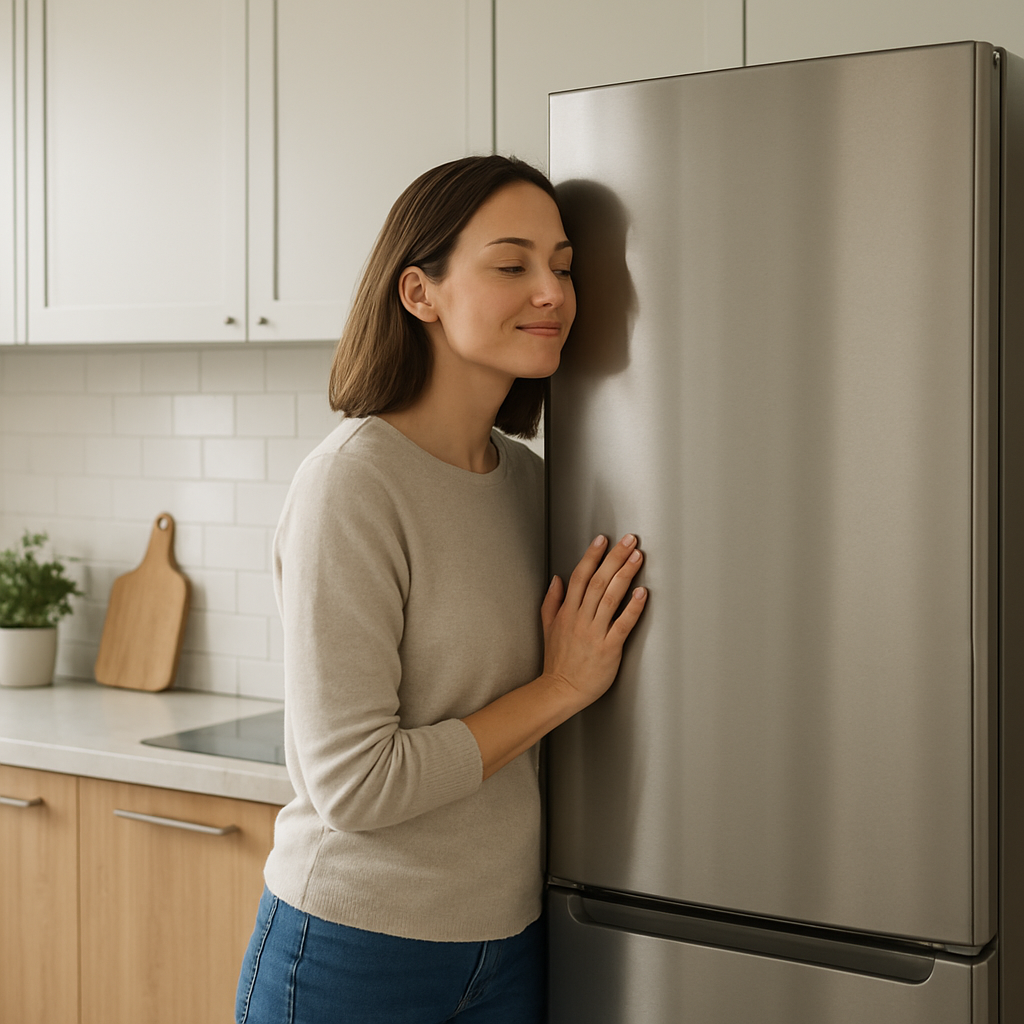
Fridge Loud After Long Use? Normal Wear Or Problem
Quick Answer
If your fridge has gotten louder after years of use, the most common reason is long-term efficiency decline: dust-clogged condenser airflow and aging fan/compressor mounts force longer, harder run times that amplify normal operating sounds. First action: pull the fridge out, confirm it is not touching the wall, and clean the condenser area and rear/bottom airflow paths. Then listen again over 24 hours to see if run time and loudness drop.
Identify the Noise First
Use this quick timing-based guide. Your goal is to match the sound to the part working harder with age.
- If the noise happens when the compressor starts: a brief thump or louder-than-you-remember hum right at startup points to worn rubber mounts, a shifting compressor, or a hard-start condition developing from age-related load.
- If it is loud while the compressor is running: a steady louder hum or vibration usually means the system is running longer due to reduced heat rejection (dirty condenser, poor airflow) or the compressor is aging and becoming noisier under load.
- If it is loud right after the compressor stops: a short rattle or knocking often comes from mounting hardware settling, refrigerant line vibration, or the unit rocking slightly as the compressor torque unloads.
- If it occurs during defrost or shortly after: sizzling, dripping, or cracking is normal, but a louder fan noise right after defrost can mean ice buildup is returning due to airflow restriction or a door seal issue increasing frost.
- If it happens when the ice maker runs or fills: short buzzing, clicking, or water rushing is normal. If it has become louder over time, confirm the fill tube is not partially iced and the fridge is level (ice maker mechanisms get noisier when strained).
- If it tracks the evaporator fan (freezer side): open the freezer door. If the sound changes noticeably when the door is opened or the fan pauses, suspect a worn fan motor or the fan catching light frost from reduced efficiency or poor door sealing.
- If it tracks the condenser fan (rear/bottom, if equipped): listen at the back/bottom. A louder growl or intermittent scraping that gets worse over months often indicates a worn fan motor, a blade hitting debris, or restricted airflow making the fan work harder.
- If the noise is constant: constant fan noise is not typical for most units and suggests the refrigerator is struggling to reach temperature (often airflow/coil contamination or door sealing issues causing long runtime).
- If it is intermittent: intermittent rattles or vibration usually point to something that resonates only at certain compressor speeds or fan loads (loose rear cover, drain pan, lines touching, or cabinet contact with flooring/wall).
- If it is louder at night and quieter during the day: at night the home is quieter and the fridge may run longer after less door opening. If “night loud” also pairs with longer runtime, suspect efficiency decline rather than a sudden part failure.
What This Noise Usually Means
After long use, refrigerators often get louder for one main reason: they stop rejecting heat and moving air as efficiently as they used to. A slightly restricted condenser coil, a tired fan motor, stiffening rubber mounts, or marginal door sealing makes the system run longer and at higher load. That turns normal sounds into noticeable ones: longer compressor hum, stronger vibration through the cabinet, and fans that sound rougher because they are working against warmer compartments or restricted airflow. The noise is often a symptom of increased runtime, not a single dramatic break.
Most Common Causes
- Dirty condenser coil or blocked airflow at the rear/bottom: louder, longer compressor runs; cabinet feels warmer on the sides; noise is most noticeable during steady running.
- Condenser fan wear or debris (models with a fan by the compressor): growling, scraping, or a pulsing roar from the back/bottom that worsens as the unit heats up.
- Compressor mounts/bushings aging and stiffening: increased vibration, thump at startup, or rattling that changes when you gently steady the cabinet.
- Refrigerant lines or rear cover/drain pan vibrating from long runtime: metallic rattle that appears only while running or right at shutdown.
- Evaporator fan motor wear (freezer fan): higher-pitched whir, occasional chirp, or a fan sound that changes when the freezer door is opened; often worsens when frost builds faster due to door seal decline.
- Door gasket wear or door alignment drift: more frost and longer run times; noise is mainly “it never seems to shut up” rather than a single loud event.
- Unit not level or cabinet contacting wall/cabinetry: vibration transferred into the house; noise may be worse after moving the fridge for cleaning and not re-leveling.
- Ice maker strain from leveling or fill issues: louder harvest cycles or buzzing during fill; typically secondary but common on older units.
How to Check Safely
These checks focus on wear-related efficiency decline and vibration transfer. Do not remove sealed covers, cut insulation, or handle wiring. If you smell burning or hear repeated rapid clicking, stop and call a technician.
- Step 1: Confirm runtime change. Over a typical hour with doors closed, note whether the fridge runs almost constantly. A big increase in runtime usually explains “it got louder” because you are hearing it more.
- Step 2: Do a location listen. Stand at the freezer door, then at the back/bottom. If it’s loudest at the back/bottom, suspect condenser airflow or condenser fan. If loudest at the freezer, suspect the evaporator fan or frost/airflow issues.
- Step 3: Check for wall and cabinet contact. Make sure the refrigerator is not touching the wall, water line, or cabinets. Even light contact can amplify normal compressor vibration.
- Step 4: Level the refrigerator. If it rocks at all, adjust the front feet/rollers so it sits solidly and the doors self-close gently. Rocking increases mount and line noise on older units.
- Step 5: Clean accessible condenser areas. Unplug the refrigerator. Vacuum dust from the front grille area (if present) and the rear/bottom area you can reach without disassembly. Heavy dust is a top cause of longer, louder running on older units.
- Step 6: Inspect the rear lower cover and drain pan (visual only). With the unit unplugged and pulled out, look for a loose cardboard/fiber cover, a plastic drain pan not seated, or anything touching the fan shroud area. Rattles often come from these after years of vibration.
- Step 7: Door seal quick test. Check for gaps, tears, or hardened sections. Close a sheet of paper in several spots; if it slides out easily, sealing is weak and can drive longer runtime and more noise.
- Step 8: Vent and load check. Make sure freezer vents are not blocked by packages. Poor internal airflow increases run time and can create more frost near the evaporator fan.
- Step 9: Re-test after 24 hours. Plug back in, allow normal cycling, and listen again. A noticeable reduction in loudness or runtime after cleaning/clearance points strongly to efficiency decline rather than a failing sealed-system component.
When This Is Normal vs A Problem
- Usually normal after long use: a slightly louder hum during cooling, occasional soft clicks, brief gurgle/whoosh, mild vibration you feel when touching the cabinet, short sizzle during defrost.
- Likely a wear-related problem you should address: noise has increased steadily over months and the fridge runs much longer than it used to; condenser area is dusty; noise improves when the unit is pulled away from the wall or after cleaning.
- Likely a component problem (not just normal aging): grinding/scraping that persists, a fan noise that changes with door opening and is getting worse, repeated loud buzzing with no cooling improvement, or a new loud rattle that starts suddenly.
- Urgent stop-and-check signs: burning/electrical smell, breaker trips, repeated rapid clicking every few minutes, visible water leaking at the back/bottom with unusual noise, or warming temperatures paired with a loud strained sound.
When to Call a Technician
- The fridge is loud and also not holding temperature after you have cleaned airflow paths and confirmed door seals and clearance. Persistent long runtime plus warming can indicate deeper efficiency loss or a failing compressor.
- Repeated start attempts: clicking or buzzing followed by silence, repeating every few minutes. This can be a hard-start condition or compressor electrical issue and should not be repeatedly power-cycled.
- Condenser or evaporator fan scraping that does not stop after clearing visible debris and ensuring nothing is touching the fan area.
- Metal-on-metal knocking that is new and loud, especially if it occurs at startup/shutdown and continues despite leveling and clearance changes.
- Any electrical smell, scorching marks, or breaker trips. Shut off power and schedule service.
How to Prevent This Problem
- Clean condenser intake/exhaust areas regularly (more often with pets). Reduced dust keeps run time down and prevents the gradual loudness increase tied to heat buildup.
- Maintain proper clearance behind and above the unit so heat can leave efficiently without the cabinet acting like a soundboard against a wall.
- Keep the refrigerator level and stable to limit vibration transfer as mounts age.
- Use stable temperature settings and avoid frequent extremes that force long recovery runs on older compressors.
- Do not block freezer vents and avoid packing items tight against interior air channels.
- Wipe and protect door gaskets so sealing stays strong; poor sealing is a common reason older fridges become noisier due to longer run time and increased frost.
- Ice maker upkeep by keeping the unit level and addressing slow fills or partially frozen fill tubes early to prevent noisy, strained cycles.
Related Refrigerator Noise Problems
- Fridge runs constantly and hums louder than before
- Buzzing at the back every few minutes with warming temperatures
- Rattling noise only when the compressor is running
- Thump at compressor startup after moving the fridge
- Grinding or chirping from the freezer that changes when the door opens
- Scraping sound from the bottom rear that gets worse as the fridge warms up
- Loud vibration when the fridge is pushed back into place
- Noisy defrost followed by louder fan operation
- Ice maker suddenly louder during harvest or fill
- Intermittent metal rattle right after shutdown
Conclusion
A fridge that gets loud after long use is often telling you it is running harder due to gradual efficiency loss and vibration transfer, not that it is automatically failing. Start by restoring airflow (clean the condenser area, improve clearance) and stabilizing the cabinet (leveling and contact checks). If the noise persists with long run times or temperatures start drifting, schedule service to prevent a small efficiency issue from becoming a compressor or fan failure.
Frequently Asked Questions
Why did my fridge get louder over the years even though it still cools?
Most often the condenser area has slowly loaded up with dust and the cooling system has to run longer to move the same heat. Longer run time makes normal compressor and fan sounds more noticeable, and aging mounts transmit more vibration into the cabinet.
Will cleaning the condenser really reduce noise?
If the loudness is tied to long run times or a hotter-than-normal compressor area, yes. Lower head pressure and better airflow usually shorten cycles, reduce cabinet vibration, and quiet the condenser fan. If the sound is a distinct grind or scrape, cleaning alone may not solve it.
My fridge is louder at night. Is that a bad sign?
Not automatically. Houses are quieter at night, and many fridges run longer after extended closed-door periods. It is more concerning if night loudness comes with near-constant runtime, warming temps, or a new harsh sound.
How do I tell if the noise is a fan or the compressor?
Fan noise is usually higher-pitched and changes when a door is opened (freezer fan) or when you listen directly at the back/bottom (condenser fan). Compressor noise is a heavier hum with vibration, most noticeable at startup and during steady running.
When does loudness mean the compressor is failing?
Be suspicious when you hear repeated clicking/buzzing start attempts, the fridge runs almost nonstop but cannot maintain temperature, or the hum becomes harsh and accompanied by overheating or electrical odor. Those are beyond normal wear and should be diagnosed by a technician.
That’s the whole point: the mess stops being mysterious and starts being just what it is. No grand reveal, no dramatic music—more like unclenching a fist you didn’t realize you were holding.
From here, it’s less about arguing and more about moving on with steadier footing. Funny how quickly things feel lighter when the same old worry finally has an answer sitting in plain sight.