Freezer Buzzing Noise? Causes And Fixes
Quick Answer
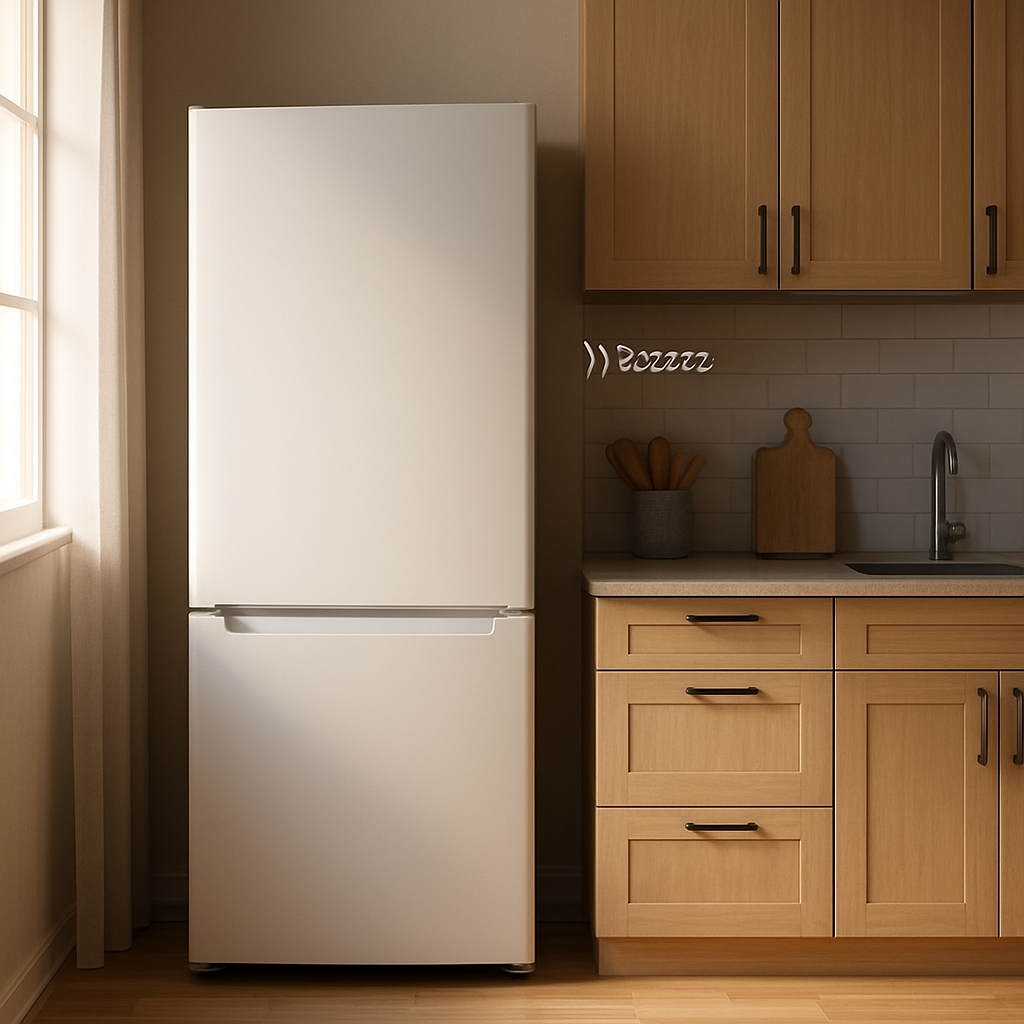
A freezer buzzing noise is most often an electrical buzz from the compressor trying to start, a failing start relay/overload, or vibration at the compressor area while it runs. First action: stand at the back/bottom of the unit and listen during a start attempt. If you hear a buzz for a few seconds followed by a click and the freezer warms, unplug the refrigerator and schedule service.
Identify the Noise First
Use this to narrow it down by timing and behavior.
- If the buzz happens exactly when the compressor should start (often after a period of silence) and lasts 2–10 seconds, then stops with a click: likely a compressor start electrical issue (start relay/overload, weak compressor, low voltage).
- If the buzz is steady while the compressor is running and seems to come from the rear/bottom: often vibration of the compressor, copper lines, drip pan, or a condenser fan shroud nearby.
- If the buzz happens right after the compressor stops and fades out over a few seconds: commonly normal electrical hum decaying, or a relay/contact buzz on some units; becomes suspicious if it’s new and loud.
- If the buzz lines up with defrost (often once or twice per day) and you also hear sizzling/dripping: that is usually defrost heater activity, not a compressor buzz. If the buzz is at the rear/bottom and accompanied by repeated clicking, stay focused on compressor start components.
- If the buzz happens when the ice maker runs or fills: a short buzz near the back wall or from the water valve area is typically a valve energizing; not a compressor issue unless it’s coming from the compressor compartment and affects cooling.
- If the buzz changes when you open the freezer door: if opening the door stops the sound, suspect fans; if it continues unchanged, suspect compressor/compressor compartment vibration or electrical buzzing.
- If it’s constant (hours at a time): suspect ongoing compressor operation (possibly due to dirty condenser, warm room, door seal leak, or heavy load) or a continuous vibration point at the compressor base/pan.
- If it’s intermittent (on/off every few minutes): watch for a pattern of buzz → click → silence. That pattern strongly points to a start attempt failure.
- If it’s louder at night: the refrigerator may be the only thing running; also listen for line-voltage buzz that becomes more noticeable when the home is quiet. Loudness increases paired with temperature problems still suggests a start or compressor issue.
What This Noise Usually Means
From a diagnostic standpoint, a true freezer electrical or compressor buzz usually comes from one of two situations:
- Electrical buzz during a start attempt: The compressor pulls high current to start. If a start relay/overload is weak, contacts are burned, the compressor is tight, or supply voltage is low, the compressor can sit and buzz without starting. The overload then opens and you often hear a click. Cooling performance typically suffers.
- Mechanical vibration while running: A running compressor naturally hums, but the sound turns into a buzz when that vibration transfers into the cabinet, drip pan, rear cover, or refrigerant lines touching. This is usually louder at the back/bottom and may change with repositioning or leveling.
Most Common Causes
- Failing compressor start relay/overload: Buzz for a few seconds at start, then a click, then silence; repeats. Freezer temperature slowly rises.
- Compressor struggling to start (internal wear or tight start): Same buzz-click pattern, often more frequent, and the compressor may run hot. Typically not a DIY fix.
- Low household voltage or extension cord use: Buzzing start attempts more common during high demand times; improves when other loads are off. (Refrigerators should not be on extension cords.)
- Condenser fan interference near compressor compartment (models equipped): Buzzing or droning while running; may change when the unit is pulled away from the wall or rear cover is touched; sometimes accompanied by poor airflow.
- Refrigerant lines or drip pan vibrating against the frame: Steady buzz/hum while running; changes if you gently press the rear panel or the unit is re-leveled.
- Compressor mounting grommets worn or shifted: Buzzing vibration more noticeable on tile/wood floors; worsens over time and transmits into the cabinet.
- Contactor/relay buzz on some electronic control setups: A lower-level electrical buzz correlated with compressor operation; abnormal if new, loud, or paired with intermittent cooling.
How to Check Safely
These checks are low-risk and aimed at confirming whether the buzz is a start failure or a vibration issue.
- Locate the sound source: Stand at the rear/bottom. If the buzz is strongest at the compressor area, stay on this diagnostic path. If it’s strongest in the freezer compartment, the noise may be fan-related instead.
- Time the cycle: Listen for a pattern: silence → buzz (2–10 seconds) → click. If it repeats every few minutes, stop here and plan for service.
- Check cooling performance: Confirm freezer temperature and whether items are softening. A buzzing start issue usually comes with warming temps or long run times.
- Pull the unit slightly away from the wall: Ensure it is not touching the wall, cabinets, or water line. A compressor vibration can amplify if the cabinet is making contact.
- Level and stabilize: Gently rock the refrigerator. If it wobbles, adjust the front leveling feet until stable. Buzzing that changes immediately after leveling is commonly vibration transfer, not an electrical failure.
- Inspect for simple vibration points: Check that the drip pan is seated and not rattling. Make sure the rear lower access panel (if present) is secured.
- Clean accessible condenser areas: If you can safely access the front grille or rear/bottom intake area, remove dust from the condenser area. Restricted airflow can increase run time and make normal compressor hum seem like constant buzzing.
- Door test: Open and close the freezer door while the buzz is happening. If the sound does not change at all, it supports a compressor compartment source. If it stops, suspect fans instead.
- Stop and call a technician if needed: If you smell hot electrical odor, the refrigerator trips a breaker, you hear repeated buzz-click cycles, or the freezer is warming, unplug the unit to prevent further damage.
When This Is Normal vs A Problem
- Usually normal: A low, steady hum or mild buzz while the compressor runs, especially after loading groceries or on warm days. A brief electrical sound at start that is not loud and is not followed by clicking or warming.
- Likely a problem: Buzz for several seconds followed by a distinct click, repeating every few minutes; buzzing gets louder week to week; freezer temperature rises; compressor area is extremely hot to the touch (do not touch wiring/components); any burning/electrical smell; buzzing accompanied by repeated clicking, dimming lights, or breaker trips.
- Also concerning: Buzzing with no cooling improvement after several hours, or buzzing that begins after moving the refrigerator (possible line contact, fan interference, or a stressed electrical connection).
When to Call a Technician
- Buzz-click repeat cycles and the compressor does not stay running: classic start relay/overload or compressor issue requiring diagnosis and parts.
- Loud buzzing with warming temperatures: indicates the compressor is not starting reliably or is struggling under load.
- Electrical smell, scorch marks, or breaker/fuse trips: stop using the refrigerator and schedule service immediately.
- Compressor runs but buzz is harsh and new, and simple leveling/clearance checks do not change it: likely compressor mounting, line contact, or condenser fan/shroud issues that require access and safe disassembly.
- Any sealed-system or compressor diagnosis suspicion: if the relay tests good but the compressor won’t start, the repair may involve high-cost components and should be confirmed by a professional before spending money.
How to Prevent This Problem
- Maintain clearance: Keep the refrigerator from touching the wall or cabinetry so compressor vibration is not amplified.
- Keep the condenser area clean: Dust buildup increases run time and heat, stressing start components and making compressor noise more noticeable.
- Level the unit: A stable cabinet reduces buzz transfer and prevents parts from vibrating against panels.
- Avoid overpacking and blocking airflow: Poor airflow can force long compressor run times, increasing noise and wear.
- Use proper power: Plug directly into a dedicated outlet when possible; avoid extension cords and loose outlets that can contribute to low voltage and hard starts.
- Keep door seals clean: Air leaks increase compressor workload and can turn a normal hum into a constant, louder buzz.
Related Refrigerator Noise Problems
- Compressor clicking every few minutes and the freezer is warming
- Humming noise from the back of the fridge that gets louder over time
- Buzzing only when the ice maker fills with water
- Rattling or vibrating at the rear lower panel when the compressor runs
- Condenser fan noise: buzzing or droning from the bottom rear
- Freezer making a loud start-up sound, then going quiet
- Refrigerator makes a buzzing sound and trips the breaker
- Intermittent buzzing with burning smell near the compressor area
- Grinding noise that stops when the freezer door opens (fan-related confusion)
- Sizzling/crackling during defrost mistaken for electrical buzzing
Conclusion
A freezer electrical or compressor buzz is most often either a start attempt failure (buzz then click) or compressor vibration transferring into nearby panels and lines. Identify which one you have by timing the noise and checking whether cooling is affected. If you hear repeated buzz-click cycles or temperatures are rising, unplug the unit and have the start components and compressor tested.
Frequently Asked Questions
Why does my freezer buzz for a few seconds and then click?
That pattern usually means the compressor is trying to start but cannot. The buzz is the start attempt, and the click is the overload protector opening to stop overheating. The most common fix is replacing the start relay/overload, but a technician should confirm the compressor itself is not failing.
My freezer buzzes constantly but it is still cold. Is that bad?
Not always. A steady mild buzz can be normal compressor hum that’s being amplified by the floor, cabinet contact, or a vibrating drip pan/line. If the sound is new or getting louder, check leveling, wall clearance, and that panels and the drip pan are secure. If it becomes harsh or cooling changes, schedule service.
Can dirty coils cause a buzzing noise near the compressor?
Dirty condenser areas don’t usually create an electrical buzz by themselves, but they can make the compressor run longer and hotter, which makes normal compressor noise more noticeable and increases stress on the start relay/overload. Cleaning also helps rule out airflow-related strain.
What if the buzzing happens mostly at night?
Often it just seems louder because the home is quieter. Still, if you notice a repeat pattern of buzz then click at night, or if temperatures are rising by morning, treat it as a start problem rather than a normal sound.
Should I keep using the freezer if it buzzes and clicks repeatedly?
No. Repeated start failures can overheat the start components and damage the compressor. Unplug the refrigerator and arrange service, especially if the freezer temperature is climbing or you notice any electrical smell.
It feels almost unfair how quickly the conversation moves when the clutter is finally out of the way. Not everything is fixed forever, but at least the days stop tugging you in two directions at once.
What’s left is quieter—less arguing, more attention on what actually matters. The best part is how ordinary it becomes, like exhaling and realizing you’ve been holding your breath.