Why Is My Washing Machine So Loud? Causes and How to Fix It
Quick Answer
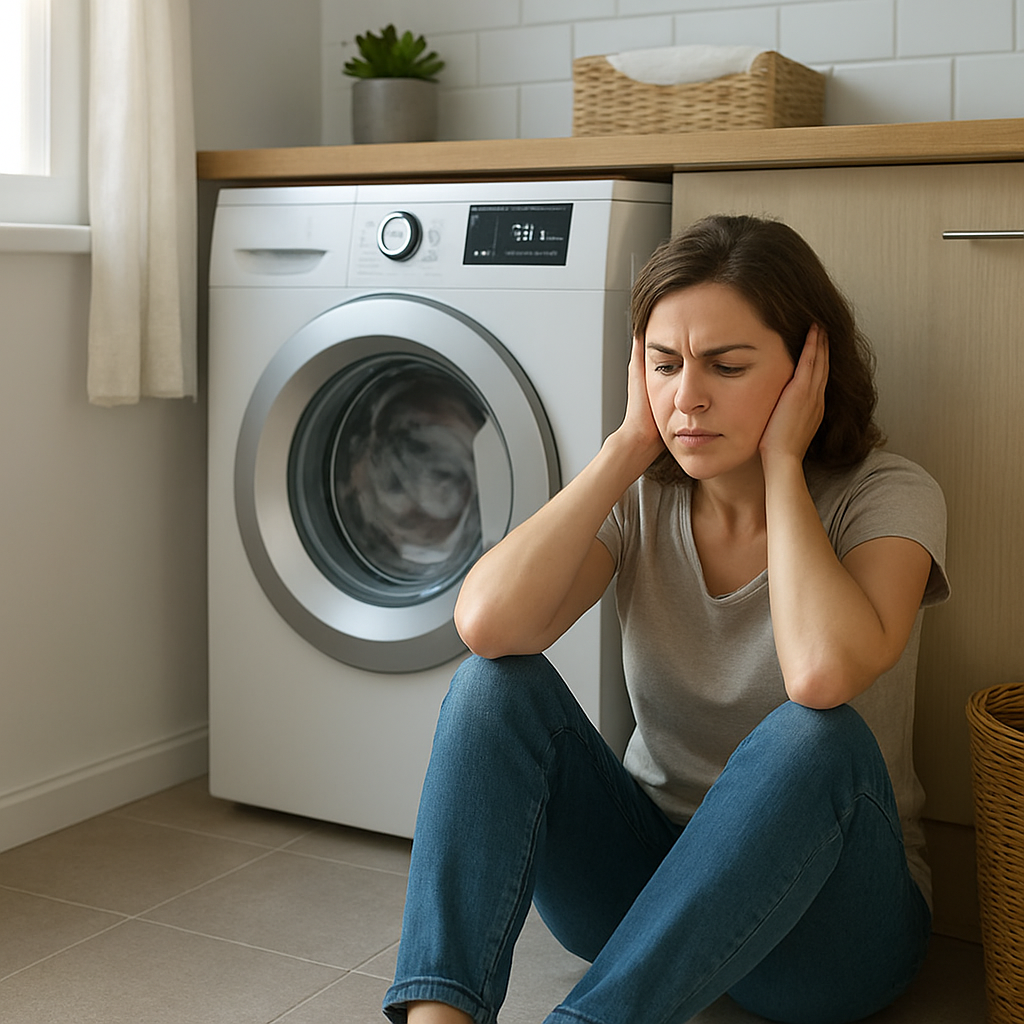
A washing machine that suddenly gets very loud is most often dealing with an off-balance load, a loose leveling setup, or a drain pump noise caused by debris. If the noise is a hard banging during spin, start with load balance and leveling. If it is a grinding or rattling during drain, check the pump filter and trap area. If it is a deep roar that builds with spin speed, suspect drum bearings.
What This Noise Usually Means
Loud washer noise is almost always a moving part either hitting something it should not, or rotating under abnormal resistance. Different cycles stress different components:
Fill/agitate (wash): motor, belt/coupler, suspension, and the inner drum or agitator. Clicking or clunking here often points to something loose or a worn drive part.
Drain: drain pump and hoses. Grinding, rattling, or a loud buzz here commonly indicates a blocked pump or a failing impeller.
Spin: suspension, tub support, bearings, and sometimes the belt/pulley. Banging indicates tub movement; roaring indicates bearing wear; high-pitched squeal often indicates belt or pulley issues.
The fastest way to diagnose is to match the sound to the exact moment it happens and whether it changes with drum speed.
Most Common Causes
Unbalanced or bulky load (spin banging): One heavy item (towel, blanket, bath mat) can pull the drum off-center and make the tub hit the cabinet.
Washer not level or feet not locked (walking, thumping): A slight tilt amplifies vibration during spin and makes the machine travel.
Shipping bolts not removed (front-load, violent shaking): If bolts are still installed after installation, the machine can be extremely loud and unstable.
Debris in drain pump or filter (grinding/rattling on drain): Coins, hair pins, bra wires, and lint can rattle in the pump or partially jam the impeller.
Worn suspension parts (repeated banging, especially mid-to-high spin): Front-load shocks or top-load suspension rods allow too much tub movement.
Foreign object between inner drum and outer tub (scraping/ticking as drum turns): Small metal items can slip through and scrape with each rotation.
Worn drum bearings (deep roar that increases with spin speed): Typically loudest on spin; often gradually worsens over weeks or months.
Loose pulley, worn belt, or motor coupling (squeal, knocking, burning rubber smell): More common on older belt-drive units; noise may change when the motor starts or stops.
Water inlet valve hammering or plumbing vibration (bang during fill): A sharp thud when the machine starts or stops filling can be plumbing-related rather than the washer itself.
How to Check Safely
Unplug the washer before any internal access. If you need to move it, shut off water supplies to avoid pulling hoses loose.
Identify when the noise happens: Fill, wash/agitate, drain, or spin. Note if it gets louder as the drum speeds up.
Check for load-related banging: Open the door/lid, redistribute items, and avoid one heavy item by adding a few similar-weight pieces. Run a spin-only cycle to confirm.
Confirm the washer is stable: Push on the top corners. If it rocks, adjust the feet until solid, then tighten the lock nuts. Re-test on spin.
Look for installation issues (front-load): Verify shipping bolts and spacers are removed. If you are unsure, check the rear panel area for bolts threaded into the tub support.
Inspect the drain pump filter (if equipped): Place towels and a shallow pan, open the filter access, and drain slowly. Remove debris from the filter and check for small objects in the housing. Refit securely and test a drain/spin.
Check for a foreign object in the drum gap: With the machine off, slowly rotate the drum by hand. Listen for scraping. Use a flashlight to inspect the drum holes and the door boot area for trapped items.
Quick bearing and support check by feel: With the machine empty and off, rotate the drum by hand. A smooth, quiet rotation is normal. A rough, gritty feel or rumbling sound points toward bearings or a seized object. Also try lifting the inner drum at the front (front-load) or rim (top-load); noticeable play can indicate bearing or support wear.
Rule out plumbing noise on fill: If the bang only occurs when water starts/stops, run a fill while holding the hoses to feel for hammering. Water hammer arrestors or slow-closing valves may be needed.
When This Is Normal vs A Problem
Usually normal:
Brief relay clicks when the cycle changes.
A steady low hum from the motor during wash or spin.
Water rushing and a smooth pump sound during drain.
Some vibration in a high-speed spin, especially with mixed loads.
Usually a problem:
Loud banging that repeats through spin even after redistributing the load and leveling the machine.
Grinding or rattling only during drain, especially with slow draining or water left in the tub.
A deep roaring or airplane-like sound that rises with spin speed.
Scraping or ticking every drum rotation, even when empty.
Machine walking forward consistently on spin.
When to Call a Technician
Roaring in spin or rough drum rotation: Bearing or tub support repairs are labor-heavy and often require major disassembly. Continued use can damage the tub and shaft.
Repeated violent banging with an empty drum: Points to suspension, counterweight, or support issues that need proper inspection and torque checks.
Drain pump noise with leaking: If the pump housing or seals are compromised, replacement is typically the correct fix.
Burning smell, belt dust, or squeal with poor agitation/spin: Drive issues can escalate quickly and may involve motor, pulley, or control-related faults.
You cannot safely access the filter/pump area: Some models require panel removal; if the unit is stacked or tightly installed, service may be safer.
How to Prevent This Problem
Load smart: Avoid single bulky items. Balance heavy pieces with similar-weight items to keep the drum centered.
Keep it level: Recheck leveling after moving the washer or if it starts walking again.
Empty pockets: Coins and small hardware are the most common pump and drum-gap offenders.
Use garment bags: Especially for bras, baby socks, and small items that can slip into gaps.
Clean the pump filter periodically: If your washer has a filter, clean it every few months or any time you notice slower draining.
Do not overload: Overloading stresses suspension, bearings, and the drive system and increases vibration.
Related Washing Machine Noise Problems
Washing machine making a grinding noise when draining
Washing machine banging during spin cycle
Washing machine squealing or squeaking when spinning
Washing machine making a loud clicking sound when agitating
Washing machine vibrating and walking across the floor
Conclusion
Start by pinpointing the cycle where the noise happens, then check load balance, leveling, and the drain pump filter. If the washer is loudest on spin with a rising roar or you feel roughness when turning the drum by hand, plan on a bearing or support repair and consider calling a technician for an accurate diagnosis and quote.
Frequently Asked Questions
Why is my washer loud only during the spin cycle?
Spin puts the most stress on suspension and bearings. If it is banging, suspect an unbalanced load, leveling, or worn shocks/rods. If it is a deep roar that increases with speed, drum bearings are more likely.
My washer is quiet washing but makes a grinding noise when it drains. What should I check?
Check the drain pump filter and pump housing for coins, pins, and lint buildup. If the noise remains after cleaning and draining is slow or you see leaks, the pump impeller or pump assembly may be failing.
How can I tell if the noise is a foreign object or bad bearings?
A foreign object often causes a scrape or tick that repeats with each drum rotation and may be heard even at slow hand-turn speed. Bad bearings usually produce a lower, rumbling sound that becomes much louder at high-speed spin and often feels rough when you rotate the drum by hand.
Can an unlevel washer really make it that loud?
Yes. A slightly rocking cabinet lets the tub swing wider during spin, which turns normal vibration into thumping and walking. Leveling and locking the feet is one of the highest-success fixes for loud spin noise.
Should I keep using the washer if it is roaring loudly?
If the sound is a strong roar that ramps up with spin speed, stop using it until it is diagnosed. Continuing to run a washer with failing bearings can damage the tub, shaft, and seals and can turn a repairable issue into a more expensive one.
There’s a quiet relief in the gap closing—like the last puzzle piece that finally clicks without drama. The noise fades, and what remains feels steadier, less arguable, more lived-in.
Not every problem needs a grand spotlight to matter. Sometimes it’s just the ordinary parts getting matched up, and the days start moving the right way again.