AC Noise After Installation: Normal or a Problem?
Quick Answer
After a new AC install, the most common reason for new noise is vibration from improper mounting, loose panels, or refrigerant lines touching the cabinet or framing. First step: isolate whether the sound is outdoor or indoor, then check for loose panels, pad/stand wobble, and line-set contact points. If you hear grinding, loud metallic banging, repeated hard-start clicking, or you smell electrical burning, shut it off and call a technician.
Identify the Noise First
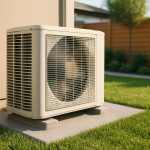
If the noise happens only at compressor start, suspect the outdoor unit shifting on a pad/stand, loose cabinet panels, or lines snapping as they pressurize. If it starts when the indoor blower starts, suspect the indoor cabinet not level, loose blower door, or duct connection vibration transfer.
If it is loudest while running steadily, suspect cabinet resonance, lines rubbing, or a fan shroud/bracket vibrating due to mounting tension. If it happens at shutdown, suspect the unit rocking slightly, panels flexing, or line-set movement as pressures equalize.
If it is intermittent and worse at night, suspect vibration amplification: cooler air can change line stiffness, and quieter ambient noise makes normal vibration more noticeable. To isolate location, stand near the outdoor unit when it starts and runs, then listen near the indoor air handler/furnace cabinet and return grille.
What This Noise Usually Means
Installation-related noise is usually vibration energy being created by the compressor and fan, then transmitted into something that acts like a speaker: a loose panel, an unlevel base, a wall bracket, a tight line-set strapped to framing, or a duct/plenum connection. The equipment may be operating normally, but the mounting and contact points let small vibrations turn into rattles, buzzing, or drumming.
This is different from a true electrical failure. A normal electrical hum can sound louder if the cabinet is loose or resonating, so the first goal is to find what is physically vibrating and what it is touching.
Most Common Causes
- Loose cabinet panels or screws (outdoor or indoor): Rattle or buzzing that changes when you press lightly on a panel or corner (do not reach near the fan).
- Outdoor unit not level or pad/stand rocking: Thump at start/stop, or a low-frequency rumble; unit may visibly shift slightly when it starts.
- Refrigerant line-set touching the condenser cabinet, wall, or framing: Buzzing or ticking that follows compressor operation; noise often changes if the line is gently moved at an accessible, safe point away from the fan.
- Line-set straps or clamps overtightened: Vibration travels indoors, creating a hum in the wall or near the air handler even when the indoor blower is off.
- Disconnect box, whip conduit, or conduit strap vibrating against siding: Buzzing near the outdoor electrical area that is actually vibration, not arcing; often louder in certain wind directions.
- Fan shroud or top grille tension from shipping/mounting: Metallic buzzing while the outdoor fan runs; may stop briefly if the cabinet is braced by hand on a side panel.
- Duct/plenum connection not secured or not isolated: Drumming or rattling when the indoor blower runs; noise may be loudest at the first few feet of ductwork.
- Air handler/furnace cabinet not seated correctly after install: Blower-door vibration or cabinet buzz that starts with indoor airflow and changes with blower speed.
How to Check Safely
- Pinpoint indoor vs outdoor: Run the system and listen at the outdoor unit, then inside at the air handler cabinet and return grille. Note where it is loudest.
- Match the timing: Write down when it occurs: start, steady run, shutdown, or only with the indoor blower. Timing is the fastest clue for vibration sources.
- Thermostat repeatability test: Set the thermostat to call for cooling, listen through one full start and run, then turn cooling off and repeat once. Consistent timing points to mounting/line contact.
- Outdoor stability check: With the unit running, look for wobble of the condenser on its pad/stand. Do not touch near the fan grille. If it rocks, the base needs correction.
- Panel and fastener check: With power off at the thermostat (system not running), gently check that accessible panels feel tight and seated. Do not open electrical compartments.
- Clearance check: Ensure no packing material, tools, or debris is touching the unit. Verify branches or fencing are not contacting lines or the cabinet.
- Line-set contact check: Visually follow the refrigerant lines where they are exposed. Look for spots where copper or insulation touches the condenser cabinet, siding, bracket, or sharp edges.
- Conduit and disconnect vibration check: With the unit running, listen near the disconnect and conduit. If the noise is localized there, it is often a strap or enclosure vibrating against the wall.
- Indoor cabinet/duct touch test: With the blower running, lightly press on the blower door or nearby duct connection. If the sound changes, it is likely a mounting or fastening issue.
- Stop and call a technician: If you hear grinding, metal-on-metal scraping, repeated rapid clicking at start, or you smell burning or see any smoke, shut it off and get service.
Normal vs A Problem
Usually normal after installation: A brief dull thump at startup or shutdown that does not get worse, a mild steady hum that stays consistent, or light airflow noise that changes with fan speed. These can be normal, especially if the unit is larger than the previous one, but they should not be intrusive inside the home.
Usually a problem: Any rattle or buzz that is loud indoors, any vibration that increases over days/weeks, a new noise that appears after the first few cycles, or a sound that depends on cabinet contact (changes when a panel is gently braced). Also treat as a problem if the noise comes with poor cooling, short cycling, breaker trips, or a burning smell. A normal electrical hum that becomes loud inside the house often means vibration transfer, not an electrical failure, but it still needs correction.
When to Call a Technician
- The outdoor unit rocks on the pad/stand, or the pad has settled and the unit is no longer level.
- The line-set is visibly touching the cabinet, wall, bracket, or framing and cannot be re-spaced without tools or re-strapping.
- Noise is transmitted into walls or multiple rooms, suggesting line-set straps or mounting points are coupling vibration into framing.
- A panel appears warped, mis-seated, or cannot be tightened properly.
- The noise is accompanied by repeated start attempts, rapid clicking, or performance issues.
- You suspect true electrical noise (sharp buzzing at the disconnect/contactor area) rather than cabinet resonance, or any burning odor is present.
How to Prevent This Problem
- Confirm the condenser sits level on a stable pad or stand, with proper support under the full base.
- Use proper vibration isolation: correct feet/pads and avoid rigid metal-to-framing contact where possible.
- Route the line-set with smooth bends and keep it from touching the cabinet, siding, or sharp edges.
- Strap the line-set correctly: snug, not crushing; include isolation so vibration is not coupled into studs.
- Secure conduit and disconnect enclosures so they cannot buzz against siding.
- Ensure all cabinet panels and the indoor blower door are fully seated and fastened after commissioning.
- Verify the duct/plenum connection is tight and supported so the blower does not drum the metal.
Related HVAC Noise Problems
- Buzzing at the outdoor unit that stops when a panel is pressed
- Rattle only during compressor startup, then quiet
- Humming heard inside a bedroom wall when the AC runs
- Clicking or ticking from the line-set as pressures change
- Outdoor disconnect box buzzing that is actually enclosure vibration
- Indoor blower door vibrating after a new filter was installed
- Duct popping or oil-canning after new equipment increased airflow
- Outdoor fan grille resonance at certain speeds
- Condenser pad settled after rain, causing new vibration
- Refrigerant lines vibrating against a wall sleeve at the penetration
Conclusion
Most new AC noise right after installation comes from vibration transfer: a loose panel, an unsteady base, or refrigerant lines and electrical conduit touching and amplifying normal operating vibration. Isolate whether it is indoor or outdoor, then check mounting stability and contact points. If you hear grinding, repeated hard-start clicking, or smell burning, shut the system off and schedule service.
Frequently Asked Questions
Is a louder hum after a new install an electrical problem?
Not always. A normal electrical hum can sound much louder if a panel is loose, the unit is resonating on an unlevel pad, or the line-set is touching the cabinet or framing. Rule out vibration amplification first by identifying where the sound is loudest and whether it changes with light pressure on accessible panels.
Why is the noise worse inside the house than outside?
That usually points to vibration being transferred into the structure, most often through line-set straps, tight clamps, or contact between the refrigerant lines and studs, siding, or the air handler cabinet. The wall cavity can amplify the vibration like a speaker.
Can a line-set touching the wall really make that much noise?
Yes. Copper lines vibrate during compressor operation, and a small contact point against wood, drywall, or metal can turn that vibration into a noticeable buzz or ticking indoors. Proper spacing and isolated strapping typically fixes it.
Should I keep running the AC if it only rattles at startup?
If it is a mild, brief rattle and performance is normal, it is often a mounting or panel issue, not immediate damage. Still, it should be corrected so vibration does not loosen parts over time. If the startup sound is a hard metallic bang, repeated clicking, or the unit struggles to start, stop and call a technician.
What should the installer adjust to reduce vibration?
Common corrections include leveling and stabilizing the condenser pad/stand, tightening and seating panels, re-routing or re-strapping the line-set with isolation, and securing conduit/disconnect mounting so nothing contacts and resonates against siding or framing.
When the dust settles, the conversation feels calmer. The noise that used to fill every corner of your attention doesn’t have the same pull anymore.
It’s oddly satisfying—like taking a small, stuck thing out of your pocket and finally realizing you’d been carrying it all along.