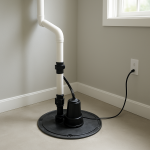
Sump Pump Buzzing Noise? Motor Failure Or Simple Fix?
Quick Answer (Most Likely Cause)
Most sump pump buzzing is the motor getting power but the impeller is not turning due to debris obstruction or a stuck check valve, creating a stalled-start hum. First action: unplug the pump, remove it from the pit, and check the intake screen and impeller area for stones, sludge, or a jam. If it buzzes and will not pump water, stop use and call a technician to avoid motor overheating and basement flood risk.
Identify the Noise First
Match the buzzing to when it happens. Timing tells you if this is normal electrical hum being amplified, or a motor that is energized but stalled.
Buzzing at startup then it runs: brief hum that clears in 1–2 seconds usually points to momentary resistance at the impeller, tight check valve, or vibration transfer.
Buzzing and no pumping: motor energized but impeller not turning. Highest probability is obstruction or a stuck rotor/start circuit issue.
Buzzing during heavy rain or high water events: load-related strain, partial blockage in discharge line, or check valve restriction increasing starting torque.
Continuous buzzing with intermittent tripping: motor drawing locked-rotor current, thermal overload cycling, or a failing capacitor on capacitor-start pumps.
Buzzing only after installation or plumbing work: vibration transfer into rigid piping, discharge pipe contacting framing, or check valve orientation issues.
Single loud clack followed by buzzing: check valve closing hard, then pump starts against a column of water or a stuck valve.
Buzzing is loudest at the discharge pipe, not the pump body: vibration amplifying normal motor hum rather than true motor distress.
What This Noise Usually Means
A sump pump buzz is most often an electrical motor hum under abnormal mechanical resistance. The motor windings energize and create a steady 60 Hz hum. If the impeller is clear and turning, that hum stays low and the pump moves water. If debris jams the impeller, the rotor cannot spin. The motor stays in a stalled-start condition, current rises, the hum gets louder, and the overload may trip.
Separate two different situations:
True electrical source noise: the motor is energized and humming because it is trying to start, or the start components are failing. The buzz is steady and strongest at the motor housing.
Vibration amplifying normal electrical hum: the motor is running normally, but rigid discharge piping, pump contact with the basin, or loose lids transmit and amplify the hum so it sounds like a failure.
Your goal is to confirm whether the impeller is physically blocked or the motor is electrically humming while stalled.
Most Common Causes (Ranked by Probability)
1) Vibration transfer into rigid piping or basin lid
What happens: a normal motor hum resonates through PVC, copper, or the pit cover. Hard contact points act like a speaker.
Sound profile: steady buzz or low hum while pumping, often louder upstairs than at the pit.
Clue: pump moves water normally; noise changes when you lightly steady the discharge pipe or lid (do not touch wet electrical parts).
2) Impeller obstruction at the intake screen or volute
What happens: stones, zip ties, gravel, sludge, or scale jam the impeller. The motor energizes but cannot rotate.
Sound profile: loud steady buzz/hum; pump does not discharge water.
Clue: water level stays high; motor feels warm; may trip and reset after cooling.
3) Check valve stuck closed or installed backward
What happens: pump starts against a locked discharge column, greatly increasing starting torque and stalling weaker motors.
Sound profile: buzz at start with little or no flow, sometimes followed by a thunk.
Clue: discharge line stays full and heavy; no water movement in the pipe; problem is worse right after a cycle.
4) Discharge line restriction or frozen/clogged outlet
What happens: the pump cannot overcome head pressure or the line is partially blocked, increasing load and causing prolonged hum/strain.
Sound profile: louder hum during operation; may pump weakly or not at all.
Clue: weak discharge outside; gurgling at pit; issue appears during cold weather or after yard work.
5) Pump sitting in silt or debris causing impeller drag
What happens: sediment builds up under the pump, allowing grit to enter the intake or bind the impeller.
Sound profile: grinding-tinged buzz or rough hum; may start then slow.
Clue: thick sludge in pit; pump base buried; frequent cycling during storms.
6) Load-related mechanical strain from high head or undersized pump
What happens: pump is asked to push higher than it is designed for due to long vertical rise, small pipe, or multiple elbows.
Sound profile: louder hum while running; sometimes a start hum that drags before it catches.
Clue: it pumps, but slowly; discharge pipe runs hot; frequent long run times.
7) Electrical component hum from failing start capacitor or start switch (where equipped)
What happens: motor cannot develop starting torque even with a clear impeller. It hums and may not spin.
Sound profile: strong steady hum from motor housing; no pumping; may start if it cools and tries again.
Clue: impeller area is clear and discharge is not blocked, but the pump still just hums; problem is repeatable.
8) Internal mechanical wear: swollen bearings or rotor drag
What happens: worn bearings or corrosion increases friction until the motor stalls or runs loudly.
Sound profile: persistent hum with roughness, squeal, or grinding; may trip overload.
Clue: older pump; history of running hot; buzzing continues even when removed from the pit and tested in a bucket by a technician (do not bench-test if you are unsure about safe setup).
How to Check Safely
If the pump is buzzing and not pumping, treat it as an active flood-risk condition. These checks are homeowner-safe and avoid motor disassembly and wiring exposure.
1) Verify the situation
Unplug the pump before touching it or reaching into the pit.
If the pit water level is rising, switch to your backup pump (if present) or call for service immediately.
2) Check for vibration amplification first
With the pump running normally (and you are dry and stable), listen at the pump body and then at the discharge pipe.
If the noise is much louder on the pipe, inspect for pipe contact with joists, wall studs, or the basin lid. Add clearance and secure loose piping supports (do not modify electrical connections).
3) Inspect the intake and pit for obstruction
Unplug the pump. Remove it from the pit by the handle or body, not the cord.
Rinse and inspect the intake screen for stones, mulch, sludge, and stringy debris.
Look into the impeller inlet area for visible blockage. Do not open the sealed motor housing.
4) Check the float and tether
Make sure the float moves freely and is not pinned against the basin wall or piping.
A float that triggers the pump while the intake is buried in silt can cause repetitive buzzing/overload behavior.
5) Check valve and discharge line basics
Confirm the check valve arrow points away from the pump (direction of flow).
Listen for water movement in the discharge line during a cycle. No movement suggests a stuck valve or blocked line.
If the outside discharge is accessible, confirm water actually exits during operation.
6) Reset and power checks
If the pump has a reset/overload, allow it to cool, then reset once.
If it buzzes again and does not pump, stop. Repeated resets can overheat the motor.
If a breaker trips or a GFCI will not hold, do not continue. Call a technician.
Normal Operating Sound vs Warning Signs
✔ Normal: brief low hum at start, then steady running sound with clear water movement and the pit level dropping.
✔ Normal: check valve click or soft thump at shutoff, once per cycle, with no pipe shaking.
✔ Normal: mild vibration in the discharge pipe if it is properly supported and not contacting framing.
Warning: buzzing/humming and no water discharge within 3–5 seconds. This indicates a stall or severe restriction.
Warning: repeated buzzing cycles with the pump shutting off and restarting without lowering the water level. Overload is likely tripping.
Warning: loud hum that gets worse during storms. This often means obstruction, a sticking check valve, or discharge restriction under load.
Warning: hot or burning electrical odor from the pit area, or a warm cord/plug. Unplug and call for service.
Warning: breaker or GFCI trips. This is an electrical fault or motor failure condition, not a normal vibration issue.
When Professional Service Is Recommended
Buzzing persists after intake cleaning and confirming the float moves freely.
The pump hums but does not discharge water, and the pit level is rising or not dropping.
The pump repeatedly trips its overload, needs repeated resets, or the breaker/GFCI trips.
Discharge piping is suspected to be blocked, frozen, or improperly configured and you cannot verify flow outdoors.
Excessive vibration is shaking piping or stressing joints, risking leaks or cracked fittings.
Any water is present near an outlet, plug, or extension connection, or the receptacle shows heat damage.
How to Prevent This Problem
Keep the pit clean: remove silt, stones, and debris so the intake cannot ingest grit and jam the impeller.
Install and maintain a proper intake screen and keep it clear of stringy debris.
Support discharge piping: add secure mounts and ensure the pipe does not touch framing or the basin lid, which amplifies hum.
Verify check valve orientation and replace sticky or waterlogged check valves that increase starting load.
Confirm discharge routing: avoid kinks, crushed sections, and low spots that trap water and increase load.
Test operation periodically: run a controlled water test into the pit and confirm strong discharge and normal sound.
Match pump to the job: if the pump runs long and loud during storms, have head height and pipe sizing evaluated.
Related Water & Pump Noise Problems
Water heater popping after years of use due to sediment layers overheating
Sump pump hums but does not discharge after a storm because the impeller is jammed
Loud sump pump only during heavy rain from high load and partial discharge restriction
Water heater ticking after heating cycle from pipe expansion and rigid mounting transfer
Banging pipe near a heater from loose pipe clamps amplifying normal operation
Sump pump short cycling with repeated clicks from a sticking float or check valve issues
Noise after sump pump replacement from rigid discharge alignment and lid contact
New vibration after plumbing work because the discharge pipe now touches framing
Check valve clack and water hammer after pump shutoff from missing or failed anti-hammer control
Grinding sound from sump pump due to grit ingestion and impeller wear
Conclusion
A buzzing sump pump is most often a powered motor that cannot spin because the impeller is obstructed or the pump is starting against a stuck check valve or restricted discharge. Start by ruling out vibration transfer, then inspect the intake and discharge path. If it buzzes without pumping, trips protection, or the water level is not dropping, stop cycling it and schedule service.
Frequently Asked Questions
Is it safe to keep a sump pump running if it is buzzing?
No if it is buzzing and not pumping. That condition can overheat the motor quickly and still leaves you with flood risk. Unplug it, verify the water level is controlled (backup pump or manual removal), and address obstruction or call a technician. If a breaker or GFCI trips, stop and get service.
What does a sump pump cost to fix when it only hums?
If the cause is debris in the intake, the cost is often minimal after cleaning. If the check valve is stuck or installed incorrectly, replacement is typically a basic service call. If the motor has a failed start capacitor or internal damage, replacement of the pump is commonly more practical than repair, especially on smaller residential units.
Can I temporarily quiet a buzzing sump pump?
If the pump is pumping normally and the noise is vibration transfer, you can often reduce noise by securing the discharge pipe, adding proper supports, and ensuring the pipe and lid are not touching framing. If it is buzzing and not pumping, do not try to quiet it; fix the stall condition first.
How do I know if it needs replacement instead of repair?
Replacement is usually indicated when the impeller area is clear, the discharge is confirmed open, and the pump still only hums or repeatedly trips its overload. Persistent electrical hum with no rotation points to start-component failure or internal motor wear. A technician can verify load and electrical draw to confirm.
How urgent is a buzzing sump pump?
If it buzzes and does not move water, it is urgent because the pit can overflow during the next inflow event. If it buzzes but pumps and the water level drops normally, it is less urgent but still worth correcting vibration transfer and checking for early obstruction before it becomes a stall.
There’s a strange calm that comes when the fog lifts, even if the problem was never all that dramatic to begin with. The room feels the same, but the edges look sharper—like you finally stopped guessing.
Once the thinking is no longer frantic, everything starts to line up on its own. Not loudly, not dramatically, just the steady sense that you can move forward without dragging the same worry along.