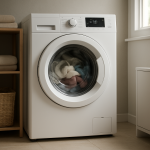
Washing Machine Making Metal Noise? What It Means and What to Check
Quick Answer
A metal noise usually means something metal is contacting something it should not inside the washer: a coin or bra wire in the pump, a loose drum baffle, the inner basket rubbing the outer tub, or a failing bearing. First action: stop the cycle, remove power, and check the drum for play and the pump filter for debris. Do not keep running it if the sound is grinding or constant.
Identify the Noise First
Metal noises only diagnose well when you match them to the exact moment they occur. Use these quick patterns to pinpoint where the internal contact is happening.
During spin (high speed)
Rapid scraping or rhythmic tick-tick: inner basket contacting something once per revolution (loose baffle, trapped item, bent basket edge, tub contact).
Deep grinding or growl that gets louder as speed increases: bearing or spider issue causing metal-to-metal contact at the rear.
Clunk with each turn, worse with a heavy load: basket shifting and contacting the outer tub/door boot area or a loose counterweight/tub mount allowing contact.
During drain (usually after wash/agitate and between rinses)
Rattling, chattering, or a metallic buzz from the lower front: debris striking the drain pump impeller housing (coins, screws, hairpins).
Short burst of metal rattle only while water is leaving: item moves in the sump/pump path then settles.
During fill
Brief metallic hammering from the wall connection area: water hammer at the supply valves, not internal metal contact (still worth addressing, but different diagnosis).
Metallic clicking from inside the cabinet: less common; can be a loose panel or component bracket vibrating as valves open.
Constant whenever the drum turns (wash and spin)
Steady scraping: sustained contact point (foreign object between tubs, damaged tub seal area, misaligned basket, bent baffle).
Intermittent
Only with certain loads: something shifts and touches (loose baffle, basket wobble, item trapped under baffle, outer-tub contact under load).
Stops when you pause and restart: debris moving position (pump debris or object between tubs).
What This Noise Usually Means
Metal noises are usually the sound of contact, not a motor problem. Inside a washer there are only a few places metal can touch metal: the drain pump area when debris is present, the inner basket and its fasteners (baffles, balance ring hardware), and the drive side where the shaft, spider, and bearings support the drum. When clearances change from wear or looseness, the spinning basket can rub the outer tub or strike a trapped object. The goal is to identify which assembly is making contact and whether it is safe to run.
Most Common Causes
Coin, screw, or small metal item in the drain pump or filter (rattle/grind mainly during drain; sometimes during spin if recirculation is active).
Foreign object between the inner basket and outer tub (bra underwire, nail, hairpin) causing scraping as the drum turns.
Loose drum baffle/paddle or cracked baffle mount (ticking or clanking once per revolution; may worsen with heavy loads).
Worn drum bearings (low growl to harsh grinding during spin; often accompanied by play in the drum).
Broken or corroded drum spider/shaft support (loud metallic knock/grind during spin, drum may sit off-center).
Inner basket contacting outer tub due to excessive movement (failed shock/strut, loose tub support, or severe imbalance; produces scraping and thumping together).
Loose counterweight or mounting hardware allowing internal contact (heavy thud or clunk, sometimes with a metal ring; usually front loaders).
Loose cabinet panel or internal bracket (metal vibration that changes when you press on the panel; not true internal drum contact but often mistaken for it).
How to Check Safely
These checks focus on confirming internal metal contact without disassembly beyond what most owners can do safely.
1) Stop and isolate power
Pause the cycle and unplug the washer or switch off the breaker.
If it was grinding loudly, do not restart until you complete the basic checks below.
2) Do a quick empty-drum test
Remove all laundry.
Rotate the drum by hand slowly. Listen for scraping and feel for roughness.
Front loader: turn the stainless drum and listen near the door opening and the rear. A smooth swish is normal; a sharp scrape or crunch is not.
Top loader: spin the basket by hand (lid open). A light brake drag can be normal; metal scraping is not.
3) Check for drum play and off-center movement
Front loader: grab the drum at 12 o’clock and 6 o’clock and lift. A tiny amount of movement is normal; noticeable clunking or visible lift suggests bearing/spider wear.
Push the drum toward the back and pull forward slightly. Any metallic knock with visible shifting points to looseness at the support.
4) Inspect the door boot area (front loader)
Run your fingers carefully around the inner lip of the rubber boot.
Look for cuts, shiny rub marks, or exposed wire from the boot clamp that could be contacting the drum.
Check for a bra wire tip poking through the boot area or trapped in the folds.
5) Check the pump filter and sump area
Locate the pump filter access (commonly lower front panel on front loaders; some top loaders have a different access method).
Place towels and a shallow tray. Drain any residual water slowly.
Remove the filter and inspect for coins, screws, bra hooks, and metal fragments.
With power still off, reach in gently and feel if the impeller area has hard debris. Do not force the impeller.
6) Inspect drum baffles/paddles
Check each baffle inside the drum for looseness by hand.
Look for missing screws, cracked plastic, or a baffle that flexes abnormally.
If a baffle is loose, do not run high-speed spin until it is secured; it can become a metal contact point quickly.
7) Run a controlled test (only if the above checks do not reveal grinding)
Run a short rinse and spin with the drum empty.
Listen at two locations: lower front (pump area) and rear/upper area (bearing/basket support area).
Stop immediately if you hear sustained grinding, heavy scraping, or repeated metal clunks.
When This Is Normal vs A Problem
Usually normal
Light ticking from zippers or metal buttons contacting the drum during wash (goes away with empty-drum test).
A brief click when shifting modes or engaging the door lock.
Short pump rattle at the start of draining that clears within a second or two (small debris moving through), as long as it does not repeat.
Usually a problem
Grinding that increases with spin speed, especially when the drum feels rough by hand.
Metal scraping that is present even with an empty drum.
Rhythmic metal tick once per revolution (often a loose baffle, bent basket edge, or lodged object).
Any metal noise combined with water leakage, burning smell, or the drum sitting visibly off-center.
Metallic rattle during every drain cycle (high likelihood of pump debris or a damaged impeller).
When to Call a Technician
You feel drum play or hear rear-area grinding during spin: bearing and spider diagnostics typically require disassembly and may involve a tub removal or replacement.
The noise is scraping continuously and you cannot find debris in the filter: likely an object between tubs or basket-to-tub contact that usually needs the tub opened.
You find metal fragments in the pump filter: could indicate a failing pump impeller or other internal damage; a tech can confirm before it escalates.
The drum is off-center, knocking heavily, or the machine walks: internal support issues can cause rapid damage to the outer tub, boot, and shock mounts.
You cannot safely access the filter or the unit must be moved: avoid flooding and electrical risk.
How to Prevent This Problem
Empty pockets every load: coins and screws are the most common metal-contact starter issues and often end up in the pump.
Bag small items and underwire bras: use a mesh laundry bag to prevent metal pieces from escaping between tubs.
Do not ignore a new once-per-rev tick: secure a loose baffle early before it damages the drum.
Clean the pump filter regularly: a partly blocked filter keeps debris in the pump longer and increases rattling and impeller wear.
Level the washer and avoid chronic overload: excessive tub movement increases the chances of basket-to-tub contact and accelerates support wear.
Related Washing Machine Noise Problems
Washer grinding only when draining (debris in pump vs failing pump impeller).
Washer scraping noise even when turned by hand (object between tubs or basket rubbing outer tub).
Rhythmic ticking during spin once per revolution (loose baffle or bent basket edge).
Loud roar in high-speed spin (drum bearing wear vs normal airflow sound).
Thumping with a metallic knock under heavy loads (excess tub travel causing contact vs simple out-of-balance).
Conclusion
A metal noise is almost always internal contact: debris in the pump, an item trapped between tubs, a loose baffle, or drum support wear. Start by checking the pump filter and doing an empty-drum hand rotation and play test. If the sound is grinding, constant, or present with an empty drum, stop using the washer and schedule service before the contact damages the tub or basket.
Frequently Asked Questions
Can a single coin really cause a loud metal grinding sound?
Yes. A coin can sit in the pump housing and strike the impeller repeatedly, which sounds like metal grinding or rattling. The noise is usually strongest during drain. Remove power, open the pump filter, and check for coins and metal fragments.
My washer makes a metal scraping sound even with no clothes. What does that point to?
An empty-drum scrape usually means something is lodged between the inner basket and outer tub, a drum baffle is loose, or the basket is contacting the tub due to bearing/spider wear. If you also feel roughness when turning the drum by hand, prioritize bearing/spider inspection by a technician.
How do I tell pump debris noise from drum bearing noise?
Pump debris is timed with draining and comes from the lower front area; it often sounds like rattling or chattering. Bearing noise is tied to drum speed and gets louder as spin ramps up; it’s more of a growl or grind and is often paired with drum play when you lift the drum by hand.
Is it safe to run one more load if the noise is mild?
If the noise is a brief rattle only during drain and you plan to clean the filter immediately, it is often tolerable for a short test. If the noise is grinding, scraping, or rhythmic once per revolution, do not run it again until you identify the contact point. Continued operation can turn a small rub into tub or basket damage.
What if I cleaned the filter and the metal noise is still there?
That usually rules out the most common debris-in-pump issue. Next, check baffles for looseness and do the empty-drum hand rotation and drum play test. Persistent scraping or any significant drum play points to an internal contact that typically requires disassembly, so it is time to book service.
It’s a strange feeling to watch something you’ve been circling finally click into place. Not dramatic, not cinematic—just the kind of clarity that makes you exhale without realizing you were holding your breath.
From here, the noise fades into the background, and the day goes back to being a day. That’s the best part: fewer loose ends, more room to just live.