Washing Machine Loud When Draining? What It Means and How to Fix It
Quick Answer
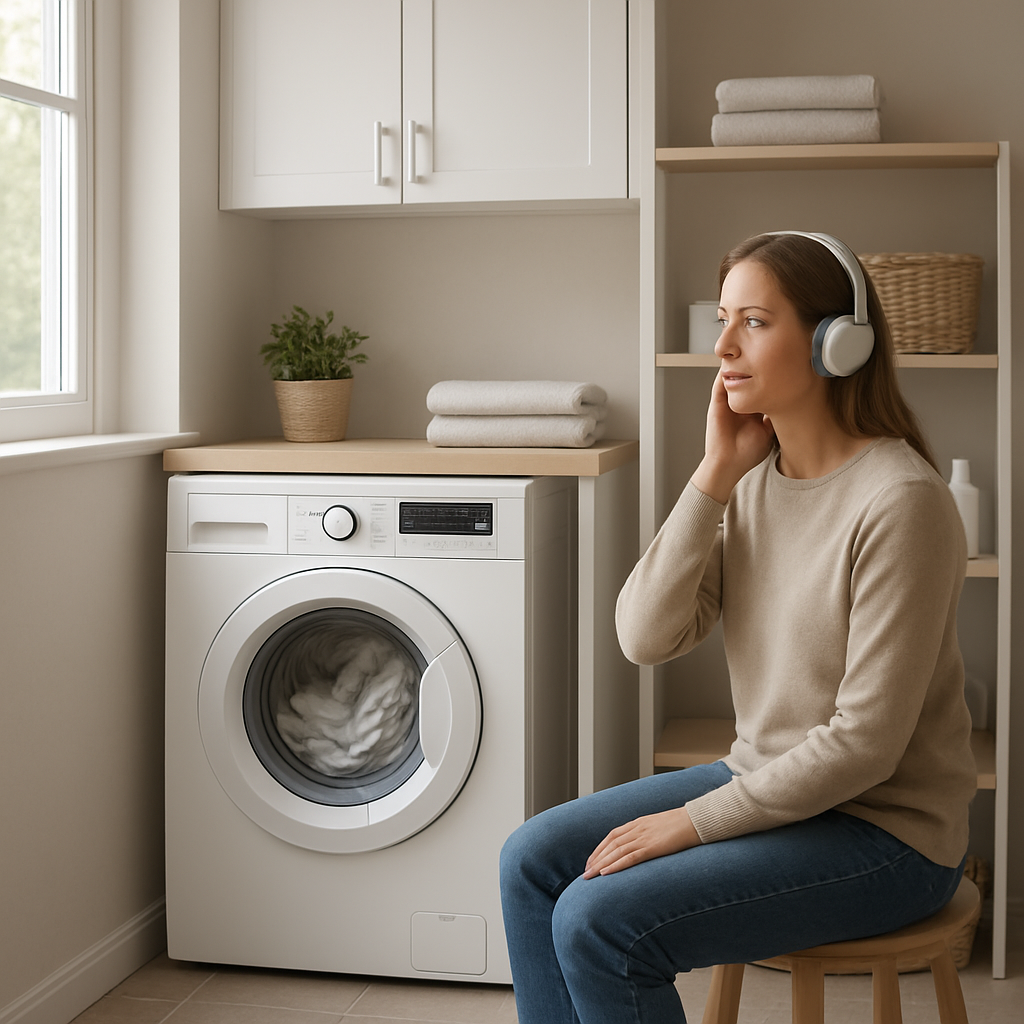
If your washing machine gets loud specifically during the drain portion of the cycle, the drain pump is the first component to suspect. Most often the pump is either pulling a small item through the impeller or struggling against a clog in the pump filter, coin trap, or drain hose. First action: cancel the cycle, unplug the washer, then check and clean the pump filter (or coin trap) and inspect the pump inlet for debris.
Identify the Noise First
Use this quick guide to confirm you are dealing with a drain pump noise and not a different system.
During spin: Loud roaring, banging, or vibration that ramps up with speed usually points away from the drain pump (basket, suspension, bearings). If it only happens while water is leaving the machine, keep reading.
During drain: Noise starts when you hear water rushing out, often before or between spins. This is the classic drain pump window.
During fill: Buzzing or hammering only while water enters is usually inlet valve or plumbing, not the pump.
Constant: A steady hum anytime the washer is on can be a pump stuck running (control issue) or a pump jammed and stalled. Confirm whether water is actively draining whenever the noise is present.
Intermittent: Noise that comes and goes in short bursts during drain often matches the pump cycling as it catches debris, cavitates from low water, or encounters a partial restriction.
Key confirmation: if the noise appears at the same time the washer is trying to empty and reduces once the tub is empty, the drain pump and its connected plumbing are the right diagnostic target.
What This Noise Usually Means
During drain, the pump’s impeller spins at high speed to move water through a small passage. If something small reaches the pump housing, it can rattle against the impeller. If the filter, hose, or standpipe is restricted, the pump can get louder as it strains, surges, or pulls air. A failing pump bearing or warped impeller can also create a grinding or whining sound that is most noticeable under load while pumping water.
Most Common Causes
Debris in the pump filter or coin trap: Coins, hair pins, small socks, tags, and lint buildup are the most common reasons for sudden drain noise.
Foreign object in the pump impeller: A hard rattle or grinding that starts abruptly often means something made it past the filter (or the machine has no serviceable filter).
Partially blocked drain hose: Kinked hose, crushed section behind the washer, or buildup inside the hose can cause surging and louder pump operation.
Restricted household drain/standpipe: If the washer drains slowly or backs up, the pump works against poor flow and may sound harsher.
Failing drain pump (worn bearings/impeller damage): A consistent loud whine, growl, or rough grinding during every drain is typical when the pump is wearing out.
Air ingestion due to low water during pump-out: A brief, hollow, slurping sound right at the end of draining can be normal; prolonged cavitation can indicate a restriction causing the pump to pull air early.
How to Check Safely
These checks focus on confirming a drain pump issue and pinpointing whether it is a clog, a plumbing restriction, or a failing pump.
1) Stop the washer and remove power: Cancel the cycle, unplug the machine. If it is hardwired, switch off the breaker.
2) Prepare for water: Have towels, a shallow pan, and a cup ready. When you open a pump filter/coin trap, water will come out.
3) Access and clean the pump filter (front-load and many newer machines): Open the lower access panel/flap. Slowly loosen the filter cap to control the flow. Remove debris and clean the filter housing. If there is a small emergency drain hose, drain it first to reduce spills.
4) Check the impeller for obstructions: With the filter removed, look into the pump cavity. Carefully feel for a stuck object. The impeller should turn but may have slight magnetic resistance. It should not be jammed solid or wobble excessively.
5) Inspect the drain hose routing: Pull the washer forward and check for kinks, crushed spots, or a hose pushed too far into the standpipe. Correct the routing and ensure the hose arches smoothly.
6) Verify the standpipe/drain is not restricting flow: If the washer has been slow to drain or the standpipe overflows, test the household drain separately (for example, by running a nearby sink and watching for slow drainage). If the standpipe backs up, address the plumbing restriction first.
7) Run a controlled test drain: Reinstall the filter tightly, restore power, and run a short rinse and drain. Listen at the lower front (front-load) or lower rear (many top-load) where the pump sits. A quiet, smooth whir is normal. Grinding, rattling, or a loud growl that repeats every drain points to pump damage or remaining debris.
If the noise improved after cleaning the filter and inspecting the impeller area, you likely had a restriction or foreign object. If the noise is unchanged and repeats each drain, the pump itself is the next suspect.
When This Is Normal vs A Problem
Usually normal:
A smooth humming/whirring that lasts only during drain and stops when draining is complete.
A brief slurping in the last few seconds as the pump clears the remaining water.
Usually a problem:
Grinding, clicking, or rattling that starts as soon as draining begins, especially if it is new or suddenly louder than before.
Pump runs but little or no water exits, or the drain time is much longer than normal.
Noise continues after the tub is empty or the pump sounds like it is surging repeatedly, suggesting restriction or pump damage.
Repeated drain errors or the washer stops mid-cycle with water left inside.
When to Call a Technician
You cannot access the pump filter on your model and the washer is not draining or is loudly grinding during drain.
The impeller is jammed and you cannot remove the obstruction without disassembly.
The pump leaks from the housing, filter seal, or pump connections after cleaning.
The noise persists after the filter and hose checks and it happens on every drain; replacing the pump is often the correct repair, and access can involve removing panels, clamps, or the entire front of the machine.
Any electrical burning smell, tripped breaker, or repeated control errors during drain testing.
How to Prevent This Problem
Check pockets every load: Coins and small items are the most common pump killers.
Use mesh laundry bags for baby socks, bra pads, and small items that can slip between drum and tub.
Clean the pump filter periodically: If you wash pet bedding or lint-heavy loads, check it more often.
Keep the drain hose properly routed: Avoid tight bends and do not shove the hose deep into the standpipe.
Address slow household drains early: A restricted standpipe makes the pump work harder and increases noise.
Related Washing Machine Noise Problems
Loud humming but not draining: Pump is energized but the impeller is jammed or the pump is seized.
Rattling noise only at the end of drain: Often debris touching the impeller or brief cavitation as water runs out.
Gurgling from the standpipe while draining: Drain restriction or venting issue causing slow discharge and noisy pump operation.
Clicking noise during drain with intermittent flow: Pump catching and releasing debris or a partially blocked filter/hose.
Grinding plus water leak from the lower front: Pump seal or housing damage, sometimes following a foreign object strike.
Conclusion
A washing machine that is loud when draining is most often telling you the drain pump is fighting debris, a restriction, or internal wear. Start by cleaning the pump filter or coin trap and checking the pump inlet/impeller area, then confirm the drain hose and standpipe are flowing freely. If the noise repeats on every drain after those checks, plan for a drain pump replacement or have a technician confirm and repair it.
Frequently Asked Questions
Why is my washer making a grinding noise only when it drains?
That pattern strongly points to the drain pump. Grinding during drain is most commonly a small hard item contacting the impeller or a worn pump bearing. Clean the pump filter/coin trap first, then inspect the pump cavity for debris. If it still grinds every drain, the pump is likely failing.
My washer drains but it sounds like rocks in it. What should I check first?
Check the pump filter and the pump inlet area. Coins, screws, bra wires, and small plastic pieces can rattle loudly while water is flowing through the pump. Remove the filter, clear debris, and feel carefully for obstructions around the impeller.
Is a loud drain pump always a sign the pump is bad?
No. A noisy drain is often caused by a clog or a foreign object, and the pump may be fine once cleared. A pump is more likely bad when the noise is consistent on every drain, the washer drains slowly, or the sound is a steady growl/whine that does not change after cleaning the filter and confirming the hose and standpipe are clear.
Can a clogged drain hose make the drain pump louder?
Yes. A kinked or partially blocked drain hose can make the pump surge and sound harsher because it is pushing against restriction or pulling air intermittently. Straighten the hose routing and check for crushed sections behind the washer.
What if my washer has no pump filter I can clean?
Some top-load units and certain designs do not have a user-accessible filter. If the noise is clearly during drain, inspect for a kinked hose and a restricted standpipe first. If draining is slow or the pump is grinding, the next step is accessing the pump through a cabinet panel to check for debris and evaluate the pump condition, which is often a technician-level job.
After all the noise, it’s oddly comforting to land in the same place everyone already was—clear-eyed, practical, and not looking for a magic trick. The lingering questions have nowhere left to hide, which feels like a small kind of relief.
Not every problem resolves like a movie scene, but this one doesn’t need drama to be understood. There’s a clean exhale in it: less confusion, more straightforward days, and finally the ability to move on without second-guessing every step.