Dishwasher Loud When Draining: Causes & Fixes
Quick Answer
Most loud draining noises come from the drain pump pulling against a partial blockage in the sump, pump inlet, or drain hose. The restriction makes the pump cavitate and rattle as it struggles to move water. First action: confirm the noise happens only during the drain portion, then check the sump area under the filter for debris and verify the drain hose isn’t kinked or clogged at the sink/disposer connection.
Identify the Noise First
To stay on the right system, you must confirm the sound happens during draining, not spraying. Draining is when you’ll hear a steady “vacuum/whine,” harsh rattling, or a gravelly grind for 20–90 seconds as water leaves the tub.
- During water fill: short hiss/flow noise at the start; not a drain issue.
- During spray / circulation: longer humming with water sloshing or spray impact; that’s wash pump, not drain pump.
- During draining: noticeable pitch change to a higher whine or harsher rattle; water level drops quickly.
- During heating: usually quiet besides minor ticking; not drain-related.
- At start of cycle: many units do a brief initial drain; if the noise is right at start for under a minute, it can still be drain-related.
- At end of cycle: final drain; same drain noise pattern.
- Constant: not typical for a drain pump; suspect something else unless it’s repeatedly trying to drain due to a drain fault.
- Intermittent: common if a loose item/debris shifts and intermittently blocks the pump inlet during drain.
Simple isolation: pause the cycle right when the noise starts. If the noise stops immediately and returns when you resume and it enters drain again, you’ve confirmed the drain stage.
What This Noise Usually Means
A drain pump is designed to move a mix of water and small particles, but it gets loud when flow is restricted. With a blockage at the pump inlet, in the sump pocket, or in the hose/check valve path, the pump pulls harder but moves less water. That creates turbulence and air pockets (cavitation) that sound like a harsh growl, rattling, or a high-pitched whine. If a hard object reaches the impeller area, you’ll often get a sharper clicking or grinding during the drain window only.
Most Common Causes
- Debris under the filter in the sump (glass, bone fragments, labels): gets sucked to the drain intake during drain and causes rattling/cavitation.
- Foreign object in or near the drain pump impeller: produces a distinct grind/clicking that appears only when the pump spins up.
- Restricted drain hose (kinked behind the unit, crushed, or clogged with grease/scale): makes the pump whine loudly and may slow the drain.
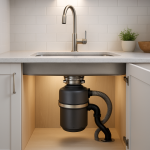
- Blocked sink/disposer inlet where the dishwasher hose connects: common after a disposer install (knockout plug not removed) or buildup at the nipple; causes loud strain plus poor/no draining.
- Sticking/check valve obstruction in the drain path: can flutter or chatter under pump pressure, creating a rapid rattling during drain.
How to Check Safely
1) Confirm the cycle stage
- Run a short cycle and listen for when the noise begins. Draining usually starts after a wash segment or at the very beginning for a brief purge.
- Verify symptom: loud only during those drain intervals.
2) Isolate any load factor
- Remove all dishes and run a rinse/short cycle. A drain restriction will sound the same empty or loaded.
- If the noise disappears only when unloaded, re-check: you may be misidentifying spray noise as drain noise. Don’t proceed until you confirm it’s a drain-only sound.
3) Inspect the sump area under the filter
- Turn power off at the breaker before reaching into the sump area.
- Remove the lower rack and take out the filter assembly per the owner’s manual.
- Inspect and remove debris in the sump pocket and around the drain intake area. Feel for sharp fragments carefully.
4) Confirm or rule out a drain path obstruction
- Check the drain hose routing under the sink and behind the dishwasher for kinks, tight bends, or crushing.
- Inspect the hose connection at the sink tailpiece/disposer inlet for buildup or blockage. If recently installed, confirm the disposer dishwasher inlet knockout plug was removed.
- If accessible on your model, check the check valve area for debris that could cause fluttering or restriction.
5) Perform a controlled test
- Restore power, run a drain/start-drain segment, and listen. A cleared obstruction usually changes the sound immediately: smoother pump tone, faster emptying, less vibration.
- Confirm performance: water level should drop quickly and consistently during the drain window. If it labors, surges, or leaves standing water, restriction is still present or the pump was damaged by debris.
When This Is Normal vs A Problem
Normal: a steady hum/whir during drain with a consistent pitch, lasting under about a minute, and the tub empties quickly. Mild vibration is normal if the hose runs through a cabinet and touches wood, but the pump tone should still be smooth.
Problem: gravelly grinding, repeated clicking, loud rattling, or a high-pitched strained whine that coincides with slow draining, surging drain flow, or water remaining in the sump. Any sound that suddenly started after a broken glass event or after plumbing/disposer work strongly points to an obstruction or restriction in the drain path.
When to Call a Technician
- The drain noise persists after clearing the sump/filter area and confirming the hose and sink/disposer connection are open.
- The unit drains poorly or throws a drain error even though the hose path is clear.
- You hear grinding and the pump intermittently stops/starts during drain (possible impeller damage from debris).
- You’re not able to safely access the drain connections or the dishwasher must be pulled out to inspect a crushed/kinked hose.
How to Prevent This Problem
- Scrape hard debris (bones, toothpicks, fruit pits, broken glass) out of dishes before loading.
- Clean the filter on schedule so debris doesn’t migrate into the sump and drain intake.
- After any disposer replacement, verify the dishwasher inlet knockout plug is removed and the new connection is clear.
- Ensure the drain hose has a smooth route with no sharp bends, and re-check it after pushing the dishwasher back into place.
- Periodically inspect the sink/disposer dishwasher nipple for grease buildup if your kitchen produces heavy fats/oils.
Related Dishwasher Noise Problems
- Loud buzzing at the start of the cycle (brief initial drain against a blocked hose/disposer inlet)
- Drain pump runs but barely drains (hose restriction or partial blockage causing cavitation)
- Intermittent rattling only on drain (debris shifting at the pump inlet/check valve)
- Gurgling in the sink when the dishwasher drains (restriction or poor drain hose routing causing backpressure)
- Repeated drain attempts with loud pulses (partial clog causing the pump to surge)
Conclusion
If your dishwasher is loud specifically during draining, the highest-probability cause is a drain restriction: debris in the sump/pump inlet or a blocked/kinked drain hose path to the sink/disposer. Confirm the timing, clear the sump under the filter, then verify the hose and sink/disposer connection are fully open. If the sound remains with poor draining, the drain pump may be damaged or a restriction is still present.
Frequently Asked Questions
Why does the drain pump get louder when the dishwasher is almost empty?
With a partial restriction, the pump starts pulling air as the water level drops. Air ingestion increases cavitation and changes the tone to a higher, harsher whine or rattle. A clear drain path typically keeps the sound more consistent even as the sump empties.
Can a disposer installation cause a suddenly loud drain?
Yes. If the disposer’s dishwasher inlet knockout plug wasn’t removed, the drain pump deadheads against a hard blockage. That usually creates a loud strained hum/whine and little to no draining. It’s one of the most common “it started right after plumbing work” drain complaints.
What does a clicking sound during drain usually indicate?
Clicking during the drain interval usually means a small hard object is contacting the drain impeller or check valve is chattering because flow is restricted. The key diagnostic point is timing: if it only clicks during drain and not during wash, stay focused on the sump/drain path.
Is it safe to keep running the dishwasher if it’s loud when draining?
If the sound is a new grinding/clicking or the dishwasher is draining slowly, stop and check for obstruction. Continuing to run it can damage the drain impeller or overheat the pump. A steady normal hum with normal draining is typically fine.
How can I tell if it’s a hose restriction versus debris in the sump?
Sump debris often causes intermittent rattling/grinding that may vary from cycle to cycle as debris shifts. A hose or sink/disposer restriction more often produces a consistent strained whine and consistently slow draining. If you clear the sump and the drain speed is still weak, the restriction is more likely downstream in the hose or sink connection.
There’s a weird calm that comes after the noise, like the room finally exhales. The hard part was seeing it clearly; the rest is just letting the day move again.
Not every problem needs drama, and not every fix needs fireworks. This one just fits, quietly, and you can feel the difference before you even try to name it.