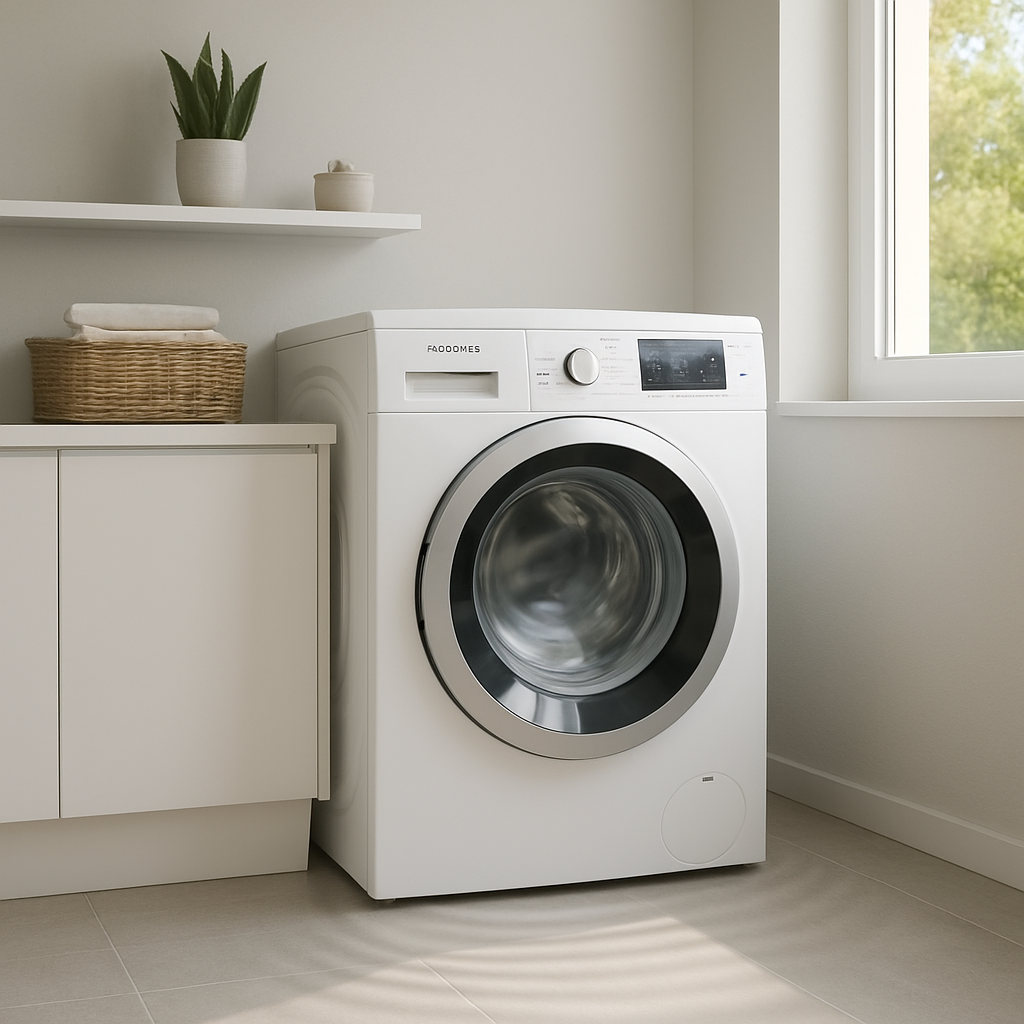
Washing Machine Vibrating Excessively? Causes and How to Stop It
Quick Answer
Excessive vibration is most often a stability problem: the washer is not level, a foot is not firmly planted, or the load is pulling the basket off-center during high-speed spin. Start by stopping the machine, redistributing the load, then check levelness front-to-back and side-to-side. Confirm all four feet are solidly on the floor and locked in place.
Identify the Noise First
Use when and how it happens to narrow it down. Vibration problems have a pattern.
During spin: Loud thumping, walking across the floor, banging against the cabinet, or a rapid shaking that ramps up as speed increases. This is the classic stability and leveling symptom.
During drain: You may hear a brief humming or whoosh, but vibration that only occurs during draining usually points away from leveling. If it shakes only while draining, don’t focus on feet first.
During fill: A short rush of water is normal. Shaking during fill is uncommon; if the washer rocks while filling, it’s usually because the cabinet is already unstable on the floor.
Constant: If the machine vibrates even when not spinning (agitating or just running), suspect an uneven stance or a floor issue rather than a spin-only imbalance.
Intermittent: Starts smooth, then suddenly thumps or kicks into vibration during the same spin. This often tracks to a load shifting off-balance or a foot that is close to stable but not fully planted.
What This Noise Usually Means
During spin, the inner basket acts like a rotating weight. If the washer cabinet is not stable on the floor, that rotating force makes the whole machine rock and amplify vibration. Even a small tilt can shift weight onto three feet instead of four, so the washer repeatedly loads and unloads one corner as the basket accelerates. The result is thumping, cabinet rattle, and the machine creeping or walking.
This is different from a typical mechanical failure sound. Stability problems are usually speed-dependent and improve immediately when the machine is leveled, firmly planted, and the load is balanced.
Most Common Causes
One or more feet not firmly contacting the floor: The washer rocks when you press on corners, or it can be rocked by hand.
Washer not level: Slight tilt front-to-back or side-to-side that becomes obvious at high spin speed.
Feet not locked: Adjustable feet can back out over time if the lock nuts are not snug, causing a return of vibration after a few loads.
Floor flex or slope: Wood floors, upstairs laundry rooms, or a sagging section can make even a level washer vibrate excessively.
Load distribution issue: Single heavy items, small loads of absorbent items, or mixed items that clump can shift the basket off-center and trigger violent spin vibration.
Shipping bolts still installed (front-load models after installation or move): Excessive vibration from the first use is a common sign; the washer cannot stabilize correctly with bolts in place.
Washer not sitting flat due to debris: A mop string, detergent cap, or grit under a foot can prevent solid contact.
How to Check Safely
These checks focus on stability and leveling. If at any point the machine tries to walk, stop the cycle and address stance before running another high-speed spin.
Pause and make it safe: Press pause/stop. If it is mid-spin, wait for the basket to stop completely. Unplug if you will reach behind or under the machine.
Do a quick rock test: With the door/lid closed, place your hands on the top front corners and gently rock. Repeat at the rear corners. A properly planted washer should feel solid, not teetering.
Check levelness: Use a small bubble level on the top panel. Check left-to-right and front-to-back. If you do not have a level, you can still diagnose by the rock test, but a level makes the adjustment precise.
Confirm all feet touch: Look at each foot. If one corner has a visible gap or the foot looks extended much farther than others, it is likely not sharing the load evenly.
Adjust the feet correctly: Tilt the washer slightly (have someone help) and turn the foot to raise or lower that corner. Aim for no rocking first, then confirm level. Do not rely on level if the machine still teeters.
Tighten the lock nuts: Once stable, tighten each foot’s lock nut against the base to prevent the setting from drifting. Many repeat vibration complaints come from lock nuts left loose.
Inspect the floor contact: Check under each foot for grit or anything compressible. Clean the spot so the foot sits on a hard, flat surface.
Re-check load behavior: Run a rinse and spin with a normal-sized mixed load. If vibration returns only with specific items, the stance is likely OK and the problem is load distribution.
Front-load shipping bolt check (if recently installed/moved): If vibration was severe from the first run, confirm shipping bolts are removed. They are typically at the rear panel. If you are unsure, stop and consult the installation guide for your model.
When This Is Normal vs A Problem
Normal: A brief increase in vibration as the washer ramps up to spin speed, then it settles and stays steady. Mild cabinet hum is normal. Some movement on flexible floors can be normal if it is not escalating.
A problem: The washer walks, the vibration grows as spin speed increases, it bangs the sides or rear, or it repeatedly starts and stops trying to rebalance but never stabilizes. If it shakes enough to move hoses, hit cabinets, or trigger error codes related to imbalance, treat it as a stability issue that needs correction before continued use.
When to Call a Technician
You cannot eliminate rocking: After leveling and locking the feet, the cabinet still teeters or develops vibration quickly during spin.
The floor is the limiting factor: The washer is level but the room floor flexes or slopes enough to cause repeated walking. A technician can advise on reinforcement, relocation, or proper anti-vibration solutions.
Persistent violent vibration with normal loads: If stance is solid and the washer still shakes hard during spin, the issue may not be leveling (for example, internal suspension or mounting). That moves beyond stability-only DIY checks.
Shipping bolts are suspected but you are unsure: Incorrect removal can strip fasteners or damage components; get model-specific help.
How to Prevent This Problem
Level once, then lock: After adjustment, tighten the lock nuts on all feet so the setting does not drift.
Re-check after moving: Any time the washer is pulled out for cleaning or service, repeat the rock test and level check.
Load for balance: Avoid spinning a single heavy item by itself when possible. Add a few similar items to help distribute weight evenly.
Use the right spot: Place the washer on the most rigid part of the floor. If possible, avoid spanning floor seams or weak subfloor areas.
Keep feet clean and dry: Detergent residue or grit under feet encourages slipping and uneven contact.
Related Washing Machine Noise Problems
Washer walking forward during spin: Usually indicates uneven feet contact or a slippery floor surface.
Thumping only with blankets or towels: Often a load distribution issue that mimics a leveling problem.
Banging against the wall on high spin: Common when the cabinet rocks due to an unplanted rear foot or a sloped floor.
Rattling top panel or control console during spin: Can be cabinet vibration from an unstable stance rather than a loose internal part.
Excessive vibration right after installation: Frequently tied to shipping bolts (front-load) or incomplete leveling.
Conclusion
Excessive vibration is most often a stability and leveling problem, especially when it happens during spin. Start by confirming the washer does not rock, then level it and lock the feet. If it is stable and still shakes violently with normal loads, stop using high-speed spin and schedule service to check causes beyond leveling.
Frequently Asked Questions
Why does my washer only vibrate violently during the spin cycle?
Spin is when the basket’s rotating force is highest. If the cabinet is even slightly unstable, that force turns into rocking and thumping. Check for rocking by hand, then level the machine and confirm all four feet are firmly planted and the lock nuts are tight.
How do I know if the washer is level if my floor is slightly sloped?
You want the washer stable first, then as level as possible. Adjust the feet until there is zero rocking at the corners, then use a bubble level on the top to fine-tune. If the floor slope is severe, the washer can be stable but still prone to vibration because the floor flexes or the stance is near its adjustment limits.
Do anti-vibration pads fix an unlevel or rocking washer?
No. Pads can reduce transmitted vibration, but they do not correct a cabinet that is teetering on three feet. Level and lock the feet first. If the washer is stable and the floor is rigid, pads may help with minor vibration, not walking or banging.
My washer was quiet, then started vibrating more over time. What changed?
Most often the feet settings drifted because lock nuts loosened, or the machine shifted slightly on the floor. Re-check for rocking, then re-level and tighten the lock nuts. Also confirm nothing is stuck under a foot.
What is the fastest check before I run another load?
Do the corner rock test. If the washer teeters, do not run a high-speed spin. Adjust the feet until it sits solidly on all four corners, then tighten the lock nuts and test with a rinse and spin.
After all the back-and-forth, the picture settles into something easier to live with. The urgency fades into the background, and the remaining friction feels oddly small—like a splinter you can finally stop poking at.
What’s left is the ordinary part, the part that doesn’t need speeches. You can move on without constantly second-guessing the next step, which, for once, feels like a win.