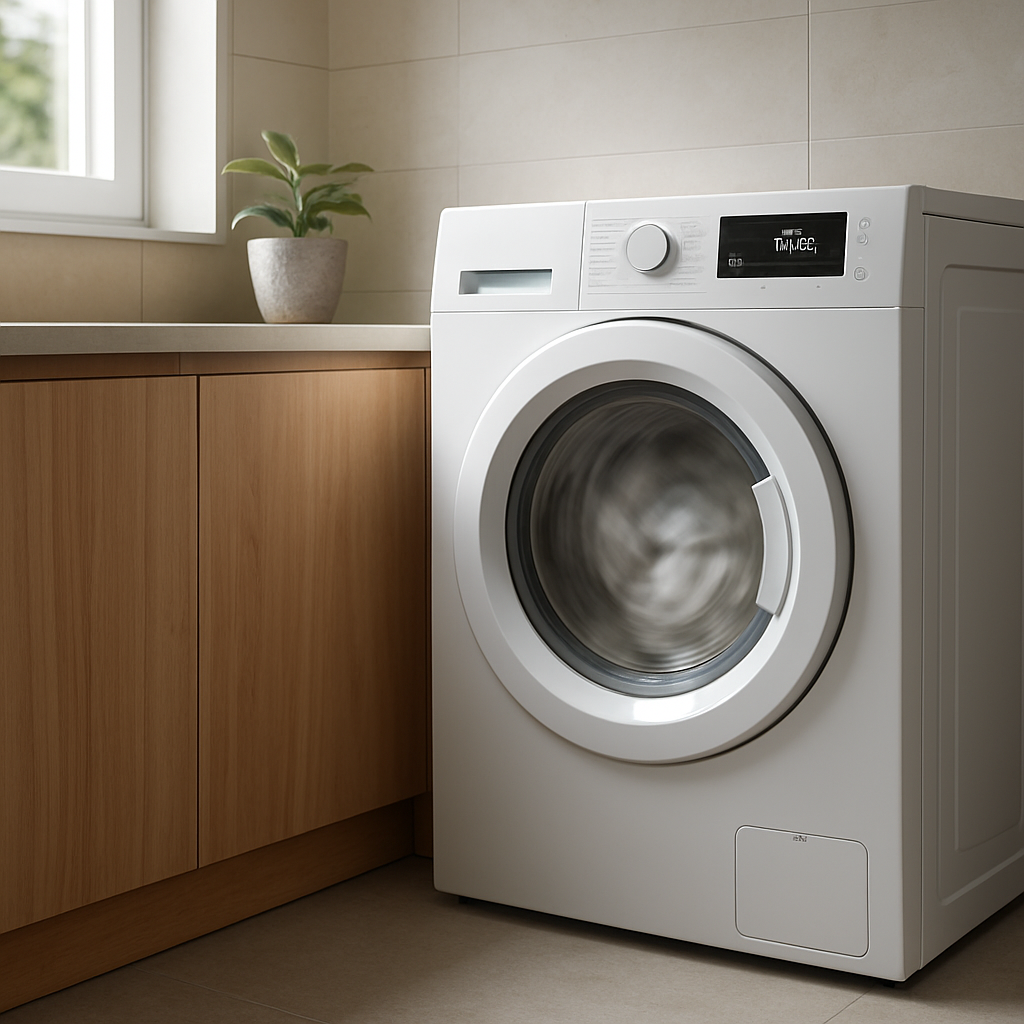
Washing Machine Roaring Sound During Spin? Causes and Solutions
Quick Answer
A roaring sound that rises with spin speed is most often caused by worn tub bearings or a failing rear bearing/seal (front loaders) or drive system bearing (top loaders). First action: run a short spin with the drum empty. If the roar is still present and gets louder as RPM increases, stop using the washer and check for drum play and roughness by hand. Continued high-speed spinning can damage the tub and shaft.
Identify the Noise First
Use this quick guide to confirm you are dealing with a high-speed rotation or bearing-type noise, not a drain or fill issue.
Only during spin (especially high-speed spin): Roar or aircraft-like rumble that increases smoothly with RPM points strongly to bearings, the spin-support system, or something rubbing at speed.
During drain (often with water leaving): A growl or grind that starts when the pump runs and may happen even without the drum spinning suggests a drain pump issue, not bearings.
During fill/agitation only: Usually not bearings. Bearings show up most under high-speed spin load.
Constant whenever the drum turns by motor (wash and spin): Can be bearings, but also a rubbing boot, misaligned tub, or object trapped between drum and tub.
Intermittent roar that comes and goes within the same spin: Often load-related imbalance or intermittent contact (inner drum shifting due to bearing play), rather than a steady bearing rumble.
If the noise clearly tracks spin speed and is loudest at full RPM, continue with the bearing/high-speed rotation checks below.
What This Noise Usually Means
High-speed spin puts the greatest radial load on the tub support. When tub bearings wear, the drum no longer rides smoothly on a tight, lubricated surface. Instead, you get a low-frequency rumble or roar that grows with RPM. As wear progresses, the inner drum can develop play, letting it wobble and amplify noise, sometimes causing the drum to rub the outer tub or door boot. On many front-loaders, bearing failure is accelerated by a leaking rear seal that contaminates the bearing with water and detergent residue.
Most Common Causes
Worn tub bearings (front-loaders most common): Classic steady roar that increases with spin speed, often present with an empty drum.
Failed rear tub seal leading to bearing damage: Often accompanies bearing noise; may leave rust streaks, brown residue, or moisture around the rear bearing area (model dependent).
Loose or worn spider arm/drum support (front-loaders): Can mimic bearing roar and adds thumping or irregular rubbing as speed rises; may show excessive drum movement.
Drive pulley or shaft wear (some designs): Less common, but can produce a roar/rumble under high speed if the pulley is loose or the shaft is damaged.
Something contacting at high speed due to drum play: A worn bearing can allow the drum to kiss the outer tub or door boot, creating a roar plus scraping undertone.
Motor/inverter or belt-related resonance (less likely): Typically more of a whine or harmonic tone than a deep roar; often changes abruptly rather than smoothly with RPM.
How to Check Safely
These checks focus on confirming a bearing or high-speed rotation support issue without disassembly.
1) Do an empty-drum spin test: Select a spin-only cycle (or rinse and spin) with the drum empty. Listen as it ramps up. A bearing roar will usually be present even with no laundry and will increase steadily with speed.
2) Unplug the washer before hands-on checks: Do not reach into or behind a machine that can start unexpectedly.
3) Check for drum play (front-loaders): Open the door. Grab the inner drum at the top and try to lift it up and down. A small amount of movement can be normal, but noticeable clunking, visible gap changes, or metal-on-metal feel is a strong bearing/spider warning sign.
4) Spin the drum by hand: Rotate the inner drum slowly. A bad bearing often feels rough, gritty, or notchy and may rumble even at hand speed. A smooth, quiet rotation argues against bearings.
5) Listen near the rear of the cabinet during a short spin: Bearing noise often seems “behind” the drum. Pump noise will sound lower/front on many machines and usually starts when draining begins, not only as RPM increases.
6) Look for supporting clues (model permitting): From the back panel area (without removing covers unless you are qualified), check for rust dust, brown streaking, or signs of water leakage near the center rear of the tub. These can indicate a failed seal feeding the bearing problem.
7) Rule out simple contact: Inspect the door boot (front-loader) for shiny rubbed areas or torn spots that suggest the drum is shifting at speed. This often happens because the bearing or spider is no longer holding alignment.
When This Is Normal vs A Problem
Often normal:
Brief ramp-up sound as the washer accelerates into spin, then settles into a steady, moderate fan-like noise.
A soft, even hum that does not intensify dramatically at top speed.
Usually a problem:
A deep roar or rumble that gets progressively louder with RPM and dominates the room.
Noise persists with the drum empty.
Any roughness when turning the drum by hand, or noticeable up/down drum play.
Roar plus scraping, rubbing, or burning smell (contact can occur when the drum is no longer centered).
New vibration accompanied by a roaring sound at high speed that wasn’t present before.
When to Call a Technician
Call promptly if: the drum has noticeable play, the drum feels rough/notchy by hand, or the roar is loud at high-speed spin even when empty. Bearings and spider/shaft issues are repairable, but continued use can turn a repair into a tub or drum replacement.
Call if you see leakage clues: rust streaks, water marks, or repeated dampness around the rear tub area suggest a seal failure that needs proper parts and disassembly.
Call if the machine is under warranty: bearing-related work can be extensive; avoid self-disassembly that may affect coverage.
Stop using the washer if: the noise suddenly became extreme, the drum rubs the boot/tub, or the unit bangs violently as it reaches speed.
How to Prevent This Problem
Don’t overload: Chronic overloading increases bearing and spider stress, especially during high-speed extraction.
Use the right detergent amount: Excess suds can contribute to seal wear and moisture retention; follow HE guidance if applicable.
Keep the washer level: A machine that rocks adds side-load during spin, accelerating wear in rotating supports.
Address leaks early: If you notice water under the machine or a persistent musty, damp rear area, investigate promptly before a seal leak damages bearings.
Run appropriate spin speeds for bulky loads: For heavy items (bath mats, comforters), reducing spin speed can reduce peak loads on the support system.
Related Washing Machine Noise Problems
Grinding noise when draining, not spinning: typically drain pump impeller debris or pump bearing, often confused with tub bearings.
High-pitched whine that changes with speed: more consistent with motor/inverter or belt resonance than tub bearings.
Thumping or banging only with heavy loads: usually imbalance or suspension issues, not a steady bearing roar.
Scraping sound during spin that appears suddenly: possible drum contact with the tub/boot due to bearing play or a foreign object.
Rumble plus brown stains inside the drum: can point to rear seal/bearing deterioration throwing rust residue (model dependent).
Conclusion
A roaring sound that escalates with spin speed is a strong indicator of a bearing or drum support problem, especially if it happens with an empty drum and you can feel roughness or play by hand. Confirm with the empty-spin and drum-play checks, then limit use and schedule service if the signs point to bearings or spider/shaft issues. Catching it early usually prevents secondary damage.
Frequently Asked Questions
Can I keep using my washing machine if it roars only during the final spin?
If the roar rises with RPM and is present with an empty drum, continued use risks worsening bearing or support wear and can lead to drum misalignment and rubbing damage. If you can feel roughness turning the drum by hand or detect obvious drum play, stop using it and arrange service.
How do I tell the difference between a bad tub bearing and a bad drain pump?
A tub bearing roar tracks drum speed and is loudest at high-speed spin. A bad drain pump usually makes noise when the machine is draining, even if the drum is not at full spin, and it often sounds like grinding or rattling rather than a deep rumble that ramps smoothly with RPM.
My washer is loud in spin but quiet when I spin the drum by hand. Does that rule out bearings?
No. Early bearing wear can be quiet at hand speed and become obvious only under high-speed load. Use the empty-drum spin test and check for drum play. If noise is strongly speed-related and increasing over time, bearings remain a prime suspect.
Is there a quick visual sign that bearings are failing?
Some machines show rust dust, brown streaking, or moisture evidence near the rear center of the tub area, which can indicate a seal leak that damages bearings. Another clue is a shiny rubbed area on the door boot where the drum contacts during spin due to developing play.
What usually gets replaced to fix a roaring spin noise?
On many front-loaders, the repair involves replacing the tub bearings and rear seal, and inspecting the drum shaft and spider arm for corrosion or wear. The exact parts and labor depend on whether the tub is serviceable as a bearing kit or sold as a complete rear tub assembly.
There’s a strange comfort in finally letting the noise fall away. The problem isn’t lurking anymore, and neither is the same old guesswork.
What’s left feels almost ordinary—in the best way. A little less friction, a little more room to breathe, and suddenly the days line up again.