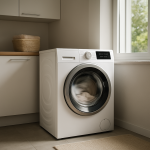
That rumbling, thumping, or high-pitched whirring during the spin cycle can make a perfectly ordinary laundry day feel a little dramatic. Is the washer trying to take off? Probably not. More often, the noise is the machine doing what it was built to do: spin fast, move water out of the clothes, and deal with a load that is never as evenly balanced as we hope. A little sound is part of the package. The tricky part is telling the difference between normal spin-cycle noise and the kind that deserves a second look.
The spin cycle gets loud on purpose
The spin cycle is the noisiest part of most washing machines because it asks a lot from the appliance all at once. The drum accelerates quickly, water is pushed outward, and the machine has to hold everything steady while doing it. That mix creates vibration, motor sound, and the occasional rhythmic thud. Front-load and top-load machines can sound different, but both are working hard in this stage. A machine that seems noticeably louder during spin than during wash is not automatically in trouble. Often, it is just reaching the point where physics stops being polite.
Rhythms, rattles, and the odd little squeak
Not every sound means the same thing. A steady hum is usually just the motor and drum moving together. A soft knocking can come from clothes shifting as the load tightens and redistributes. Squeaks and light squeals may show up when parts are under strain, especially if the machine is older or the load is a little awkward. What matters most is whether the sound is consistent with the spin cycle or a sudden new guest at the laundry party. New noises tend to get our attention for a reason, but they still do not always point to a major problem.
When the load is the loudest thing in the room
A lot of spin-cycle noise comes down to what is inside the drum. Heavy items can bunch together. Small loads can clump to one side. Mixed fabrics may shift in ways that make the washer wobble more than usual. That is why a load of towels can sound completely different from a batch of lightweight shirts. The washer is not being dramatic on purpose; it is reacting to uneven weight distribution. If the sound changes from cycle to cycle, the laundry itself is often part of the explanation.
Bulky bedding can create a deep thumping sound.
One heavy item can make the drum feel off-balance.
Loose items like coins or snaps can add an extra clink.
Very small loads may slosh around more than expected.
Just loud, or loud enough to notice?
There is a difference between everyday machine noise and a sound that seems unusually sharp, violent, or new. A washer that hums and vibrates during spin is fairly ordinary. A washer that bangs against the floor, screeches loudly, or sounds like it is grinding its way through a minor existential crisis may be telling you something else. That does not mean disaster, just that the noise has moved beyond the usual soundtrack of laundry day. The overall pattern matters more than one brief clunk.
What a machine is trying to tell you
Spin-cycle noise is often the machine’s way of signaling motion, balance, or friction. A loud spin can reflect the drum speeding up, the cabinet reacting to vibration, or the appliance adjusting to a lopsided load. Older machines may sound more mechanical simply because parts have more wear. Newer machines can still make plenty of noise if the floor flexes or the washer is sitting in a less-than-ideal spot. The point is not to diagnose every sound from the couch. It is to notice whether the noise fits the usual pattern for your machine.
Related Washing Machine Noise Issues
If the spin cycle is only one of several noisy moments, it may help to compare it with other common sounds. Our guide to banging noises covers those heavier impacts, while washing machine humming noise explains the low, steady sounds many people hear during operation.
A noisy spin cycle is often more annoying than alarming. Start by noticing whether the sound is new, whether it happens with every load, and whether the washer still seems stable on the floor. Those three details can tell you a lot without turning laundry into a science project. If the machine is simply louder with towels, bedding, or an uneven load, that is usually just the washer being a little honest about its workload.
Final Thoughts
Spin-cycle noise can sound bigger than the problem behind it. Most of the time, it is just the machine working hard and reminding you that laundry is not a silent hobby. A little awareness goes a long way, and a loud spin cycle is not automatically a sign of trouble.
FAQ
Is a noisy spin cycle always bad?
No. Many washers are naturally louder during spin because they are moving fast and handling uneven weight.
Why does my washer thump more with certain loads?
Bulky or uneven loads shift around more, which can make the drum sound heavier and less balanced.
Should I be concerned if the noise is new?
It is worth paying attention to. A new sound is more noticeable than an old one, even if it turns out to be harmless.